


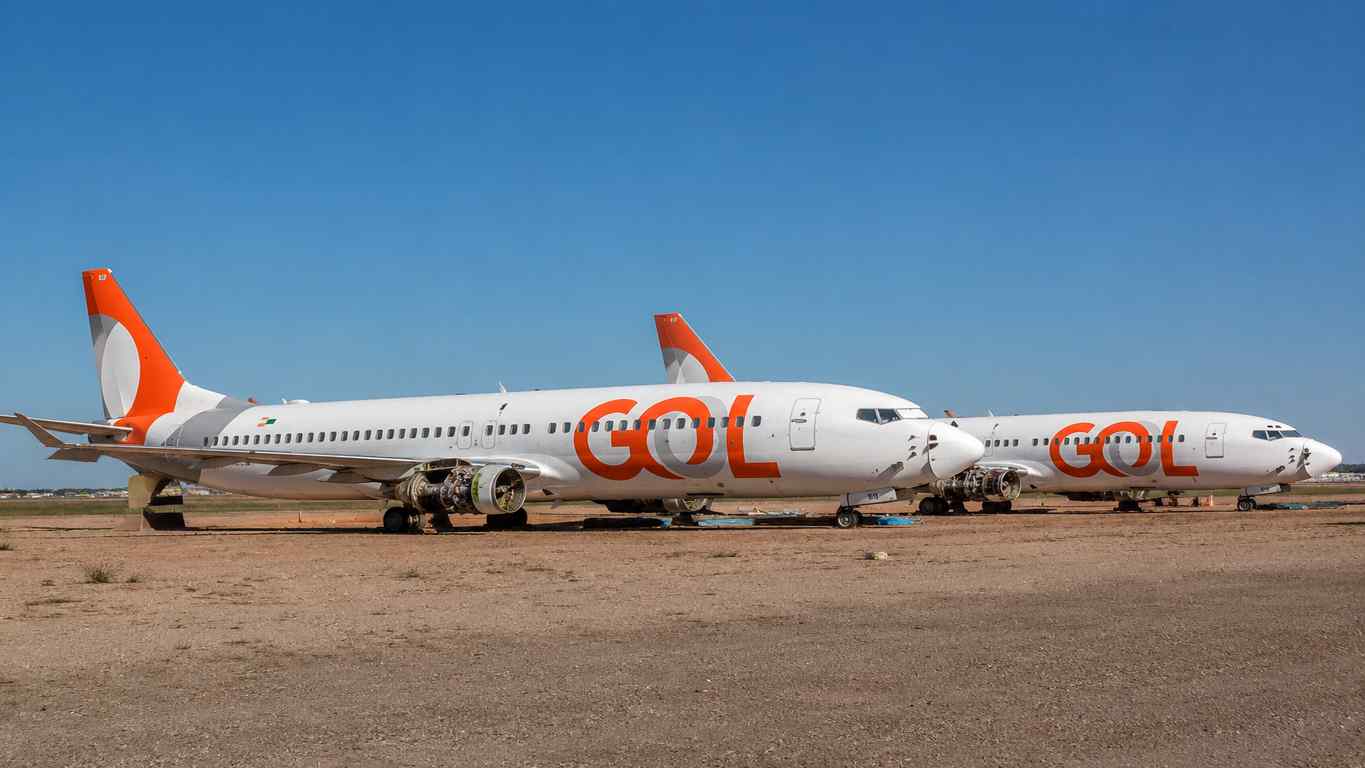
Brazilian carrier returns low-use aircraft amid reported factory-related issues, with both jets set to be dismantled for parts in Arizona
Two Boeing 737 MAX 8 aircraft that entered service with Brazilian airline GOL Linhas Aéreas only months earlier are expected to become the first intentionally dismantled aircraft of the MAX family, marking an unusual development for one of Boeing’s newest commercial jet programs.
The aircraft, both delivered to GOL in late 2025, were removed from service in early 2026 after reportedly experiencing persistent factory-related issues that affected operational reliability. After being returned to their lessor, the jets were transferred to Pinal Airpark in Marana, Arizona, where they are expected to be dismantled for spare parts.
The decision comes despite the aircraft having accumulated relatively few flight hours, highlighting the economic impact that recurring technical problems can have on airline operations.
GOL Returned Two Low-Use Boeing 737 MAX 8 Aircraft
The aircraft involved are registered PS-GRM (manufacturer serial number 44009) and PS-GRN (manufacturer serial number 44029). Both entered commercial service with GOL in late 2025 before being withdrawn from operations less than six months later.
Short Operational Service
PS-GRM completed its first flight on July 25, 2025, before being delivered to GOL on September 17, 2025. The aircraft remained in commercial service for only a few months before being removed from the fleet.
PS-GRN first flew on October 9, 2025, and joined GOL’s fleet on November 11, 2025. Like its sister aircraft, it was withdrawn from service in early February 2026.
Following their removal from active operations, both jets remained parked in Belo Horizonte, Brazil, for approximately seven weeks before being returned to their lessor on March 30, 2026.
Reported Technical Issues Raised Operating Costs
According to reports from BrasilAviation.info, both aircraft experienced recurring factory-related issues that significantly affected their operational performance.
Maintenance Challenges
The reported problems included:
- Issues involving the CFM LEAP-1B engines.
- Aircraft center of gravity concerns.
- Increased maintenance requirements.
- Higher operating costs compared with other Boeing 737 MAX 8 aircraft in GOL’s fleet.
Industry reports indicated that both aircraft spent considerably more time undergoing maintenance than comparable MAX aircraft operated by the airline. By February 9, 2026, the jets were reportedly performing below operational expectations on a consistent basis.
While engine maintenance alone would not typically result in an aircraft being retired so early in its service life, reports suggest that the combination of technical concerns and elevated operating expenses made continued operation economically impractical.
Aircraft to Supply Spare Parts Market
Both aircraft are currently stored at Pinal Airpark (MZJ) in Arizona, a facility widely known for long-term aircraft storage, maintenance, and dismantling.
In May 2026, a parts supplier announced that it had acquired two approximately one-year-old Boeing 737 MAX aircraft for teardown. The company described them as the first Boeing 737 MAX aircraft to enter the commercial part-out market, emphasizing the availability of components with exceptionally low utilization.
The lessor has also begun marketing components removed from the aircraft as first-to-market Boeing 737 MAX material sourced from aircraft with unusually low flight hours, potentially offering airlines access to relatively new replacement parts.
Production Records Challenge Batch Theory
Some industry reports suggested the two aircraft may have originated from a problematic production batch. However, available manufacturing records indicate the aircraft were not built consecutively.
PS-GRM was produced as production line number 9264, while PS-GRN was built as line number 9370, placing more than 100 production positions between them. The production data suggests the aircraft were not part of the same manufacturing sequence.
According to sources cited by BrasilAviation.info, Boeing is reportedly facing legal action related to the issues identified on the aircraft.
As of the time of publication, Boeing has not issued an official statement regarding the reported lawsuit or the aircraft involved. BrasilAviation.info said it continues to investigate the matter and will provide updates if additional information or official confirmation becomes available.
The case represents an uncommon outcome for relatively new commercial aircraft and underscores how persistent technical and economic challenges can influence fleet management decisions, even for jets that have spent only a short time in airline service.
