


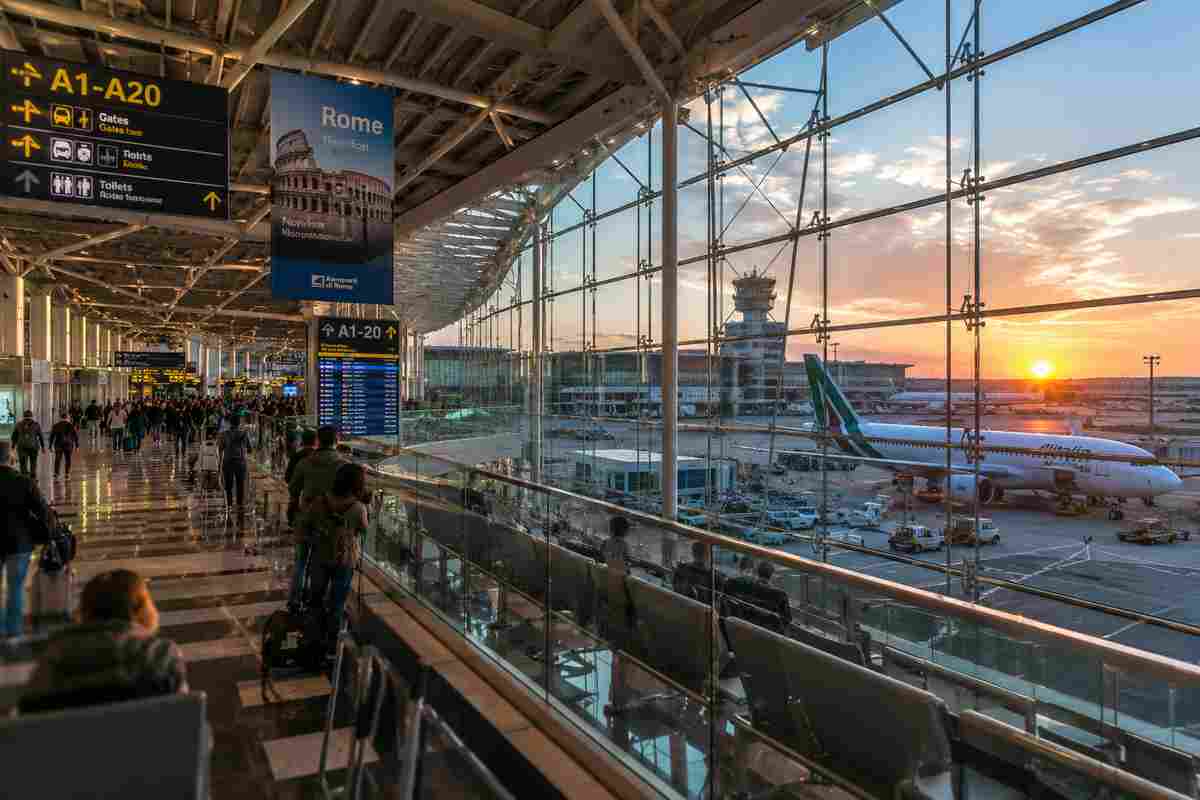
Skytrax 2026 Rankings Highlight Airports Delivering Outstanding Passenger Experiences Despite Heavy Traffic
Airports serving between 50 million and 60 million passengers annually face a unique challenge: managing massive passenger volumes while maintaining efficiency, comfort, and high service standards. According to the latest Skytrax World Airport Awards 2026, several international hubs have successfully balanced these demands, earning recognition for delivering exceptional travel experiences.
The annual Skytrax rankings evaluate airports based on passenger feedback across multiple categories, including terminal cleanliness, customer service, shopping, dining, security, terminal design, and overall travel satisfaction. This year’s top-performing airports span Europe, Asia, North America, and the Middle East, demonstrating that investments in infrastructure and customer-focused services continue to shape the global aviation industry.
Rome Fiumicino Leads the 2026 Rankings
Rome Fiumicino Airport in Italy secured the top position among airports handling between 50 million and 60 million passengers each year. The airport has strengthened its reputation through years of modernization, introducing upgraded terminals, expanded retail spaces, and enhanced passenger facilities.
Travelers consistently rate Fiumicino highly for its clean environment, efficient security screening, welcoming atmosphere, and extensive selection of restaurants featuring both Italian cuisine and international brands. Convenient transportation links to central Rome and strong customer service further contributed to its leading position.
Top 10 Airports Handling 50–60 Million Passengers in 2026
1. Rome Fiumicino Airport (Italy)
Rome Fiumicino tops the category thanks to its modern infrastructure, efficient operations, excellent dining options, and consistently high standards of passenger service.
2. Soekarno-Hatta International Airport, Jakarta (Indonesia)
Jakarta’s main international airport ranks second after significant investments in technology and terminal improvements. Spacious facilities, expanding retail offerings, and architecture reflecting Indonesian culture have helped strengthen its position as one of Southeast Asia’s leading aviation hubs.
3. King Abdulaziz International Airport, Jeddah (Saudi Arabia)
Serving millions of international travelers, including religious pilgrims, Jeddah’s airport continues to gain recognition for its large-scale facilities, multilingual staff, modern terminals, premium lounges, and efficient passenger processing systems.
4. Seattle-Tacoma International Airport (United States)
Seattle-Tacoma International Airport, commonly known as Sea-Tac, ranks fourth with strong performance in operational efficiency, sustainability initiatives, terminal expansion, and passenger amenities. Travelers also value its local dining options, coffee brands, public art installations, and professional customer service.
5. Shanghai Hongqiao International Airport (China)
Shanghai Hongqiao remains one of China’s busiest domestic aviation centers while offering selected international services. Its proximity to central Shanghai, efficient layout, reliable transportation links, and well-maintained facilities continue to make it particularly attractive to business travelers.
6. San Francisco International Airport (United States)
San Francisco International Airport continues earning international recognition through investments in sustainability, upgraded terminals, technology-friendly facilities, modern lounges, and diverse dining reflecting the multicultural character of California’s Bay Area.
7. Chhatrapati Shivaji Maharaj International Airport, Mumbai (India)
Mumbai’s airport, particularly its award-winning Terminal 2, stands out for combining modern passenger amenities with architecture inspired by India’s cultural heritage. Cleanliness, hospitality, efficient baggage handling, and varied shopping and dining options remain key strengths.
8. Beijing Daxing International Airport (China)
Beijing Daxing’s futuristic design and advanced technology continue to distinguish it as one of the world’s newest benchmark airports. Its starfish-inspired terminal layout reduces walking distances while biometric systems and smart technologies streamline passenger movement.
9. Josep Tarradellas Barcelona-El Prat Airport (Spain)
Barcelona-El Prat remains a major gateway for Southern Europe, maintaining high standards in cleanliness, customer service, retail offerings, airline lounges, and transportation connectivity for both business and leisure travelers.
10. Chengdu Tianfu International Airport (China)
Completing the top ten, Chengdu Tianfu has rapidly established itself as a major aviation hub supporting western China’s economic growth. Modern architecture, efficient passenger services, spacious terminals, and advanced technology have earned positive reviews from travelers.
Why These Airports Continue to Stand Out
Operational Excellence Drives Passenger Satisfaction
Despite handling tens of millions of passengers annually, the highest-ranked airports share several common characteristics that contribute to positive traveler experiences.
Among the most important factors are efficient check-in and security procedures, well-maintained terminals, high standards of cleanliness, reliable baggage handling systems, extensive shopping and dining options, comfortable waiting areas, professional customer service, clear passenger information, and strong public transportation links. Continuous investment in infrastructure and digital technology also plays a significant role in maintaining service quality.
Key Aviation Trends Shaping Airport Performance in 2026
Passenger Comfort Remains a Major Priority
Many leading airports continue expanding premium lounges, wellness facilities, family-friendly amenities, and dining choices to improve the overall travel experience.
Digital Technologies Improve Efficiency
Automation, biometric identification, and smart airport systems are becoming increasingly common, helping reduce waiting times and simplify check-in, security screening, and boarding processes.
Sustainability Gains Momentum
Environmental responsibility remains a major focus, with airports investing in energy-efficient infrastructure, waste reduction initiatives, and sustainable construction practices.
Modern Architecture Enhances Functionality
Many recently developed or renovated terminals successfully combine operational efficiency with architectural designs that showcase local culture while improving passenger navigation.
Global Competition Continues to Raise Airport Standards
The Skytrax World Airport Awards 2026 demonstrate that airports handling between 50 million and 60 million passengers can still provide smooth, efficient, and comfortable travel experiences through ongoing investment, innovation, and customer-focused operations. As international travel demand continues to grow, these airports are setting benchmarks for service quality and operational excellence across the global aviation sector.
FAQs
Which airport ranked first among airports handling 50–60 million passengers in 2026?
Rome Fiumicino Airport in Italy secured the number one position in the Skytrax World Airport Awards 2026 for airports serving between 50 million and 60 million passengers annually.
Which country has the most airports in the top 10?
China has the highest representation in this category with three airports included in the rankings: Shanghai Hongqiao International Airport, Beijing Daxing International Airport, and Chengdu Tianfu International Airport.
What factors contributed to these airports’ rankings?
The rankings reflect passenger evaluations across areas including operational efficiency, cleanliness, customer service, terminal facilities, shopping, dining, baggage handling, transportation connectivity, and ongoing investment in infrastructure and technology.
