


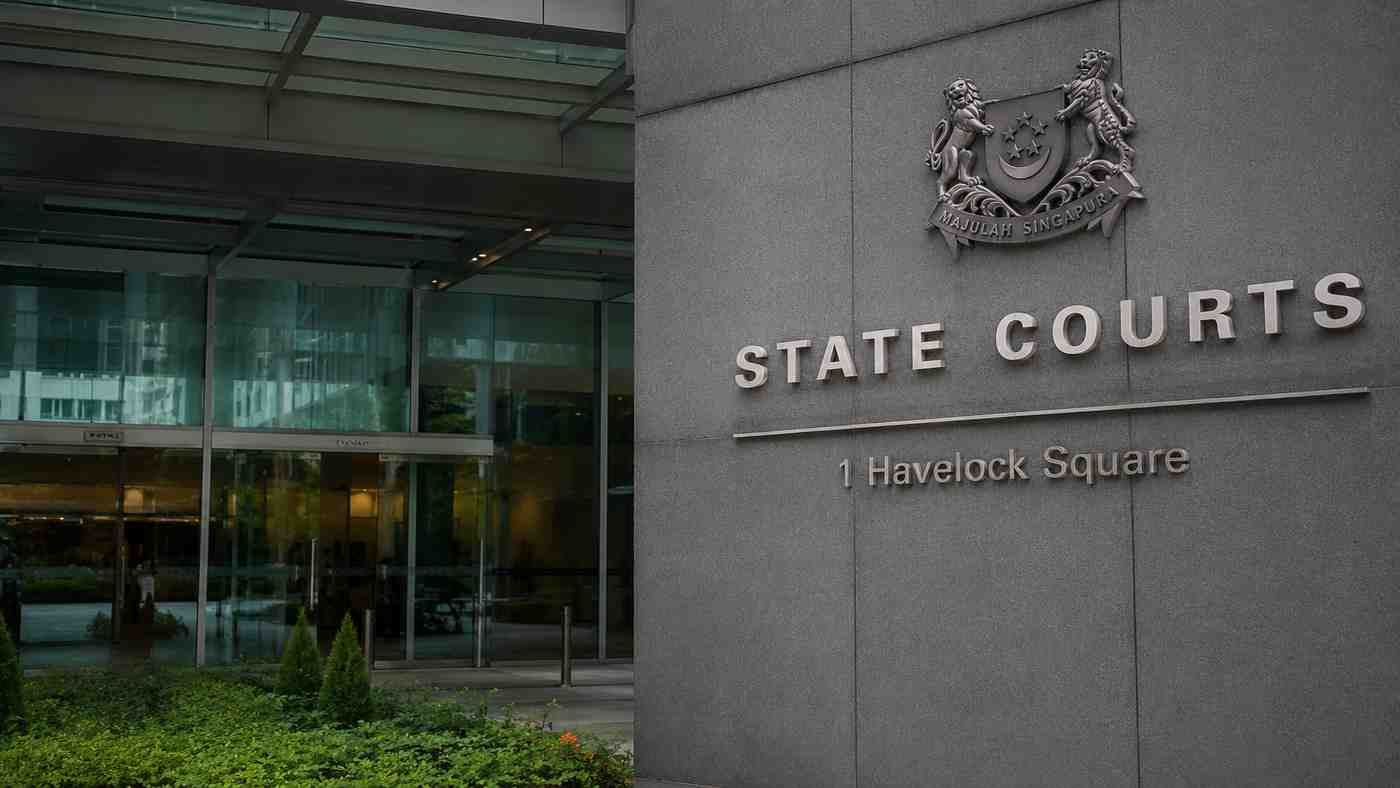
Former Singapore Armed Forces captain sentenced to more than 21 months in prison after cheating colleagues and committing vaping-related offences
A former Singapore Armed Forces (SAF) captain has been sentenced to 21 months and two weeks in prison after admitting to defrauding five colleagues of more than S$86,000 and committing multiple offences involving prohibited vaping products while serving in the military.
Benjamin Song Yong Pang, 38, who previously served as an SAF pilot and later held a leadership position at a military supply base, also received a S$6,000 fine after pleading guilty to five cheating charges and four offences related to e-vaporisers.
The case has drawn attention in Singapore because it combines financial misconduct with the misuse of military authority, highlighting concerns about trust, leadership, and compliance within one of the country’s most disciplined institutions.
Financial deception targeted colleagues over nearly three years
Prosecutors say victims included junior personnel
According to court proceedings, Song accumulated significant credit card debt between 2011 and 2018 after frequent visits to Thai clubs and karaoke (KTV) establishments. Prosecutors said those financial pressures eventually led him to seek money from colleagues through false representations.
Between May 2021 and March 2024, Song repeatedly told coworkers that the money they provided would either be invested on their behalf or used to pay for his mother’s medical treatment. Investigators later determined those claims were false.
Instead of using the funds for the stated purposes, authorities said Song diverted the money to repay personal debts and cover his own expenses.
Over 39 separate occasions, five colleagues transferred him a combined S$86,750. Individual financial losses ranged from S$10,000 to S$27,050 before the deception came to light.
Although the former officer eventually repaid all five victims, the court found that the fraudulent conduct was intentional and continued over an extended period of nearly three years.
Prosecutors also indicated that several additional allegations connected to a broader cheating scheme involving other victims were taken into consideration during sentencing.
Military vaping offences extended beyond personal use
Investigators found abuse of rank in obtaining prohibited products
The investigation also uncovered repeated violations of Singapore’s strict laws governing electronic vaporisers.
Authorities said Song began using vaping devices in late 2021 and openly used them inside his office at Nee Soon Camp. Investigators concluded that his behavior contributed to an environment in which vaping became increasingly normalized among junior personnel despite the country’s prohibition on such products.
According to findings presented in court, Song used his senior position to persuade three subordinates to purchase vape devices and vape pods for him. The products were then passed to him after delivery.
One subordinate later told investigators that he assisted because he feared refusing the request of a superior officer.
Authorities also determined that Song introduced one female colleague to vaping by giving her a vape device and supplying vape pods.
Prosecutors said the purchases were largely intended to combine multiple orders and reduce delivery costs rather than generate profits through resale. Nevertheless, the conduct violated Singapore’s laws banning the possession, use, and distribution of e-vaporisers.
Court imposes prison sentence and fine
The court sentenced Song on July 29 to 21 months and two weeks in prison along with a S$6,000 fine after he admitted to both the cheating and vaping-related offences.
The sentence reflects the seriousness with which Singapore’s courts treat financial crimes involving abuse of trust, particularly when committed by individuals in positions of authority.
The case also underscores the heightened responsibility placed on military leaders to set appropriate standards of conduct and protect the welfare of junior personnel under their supervision.
Broader implications for workplace trust and military discipline
The prosecution argued that Song’s actions went beyond personal misconduct because they involved repeated deception of colleagues and the exploitation of rank to encourage unlawful behavior.
Military organizations rely heavily on trust, discipline, and adherence to regulations. Cases involving abuse of authority can have wider implications for morale and confidence within the chain of command.
The prosecution also emphasized that Singapore continues to enforce its strict prohibition on vaping products through criminal penalties for possession, use, procurement, and distribution.
The case serves as a reminder that financial fraud and misuse of authority carry significant legal consequences, particularly within organizations where subordinates may feel compelled to comply with requests from senior officers.
