


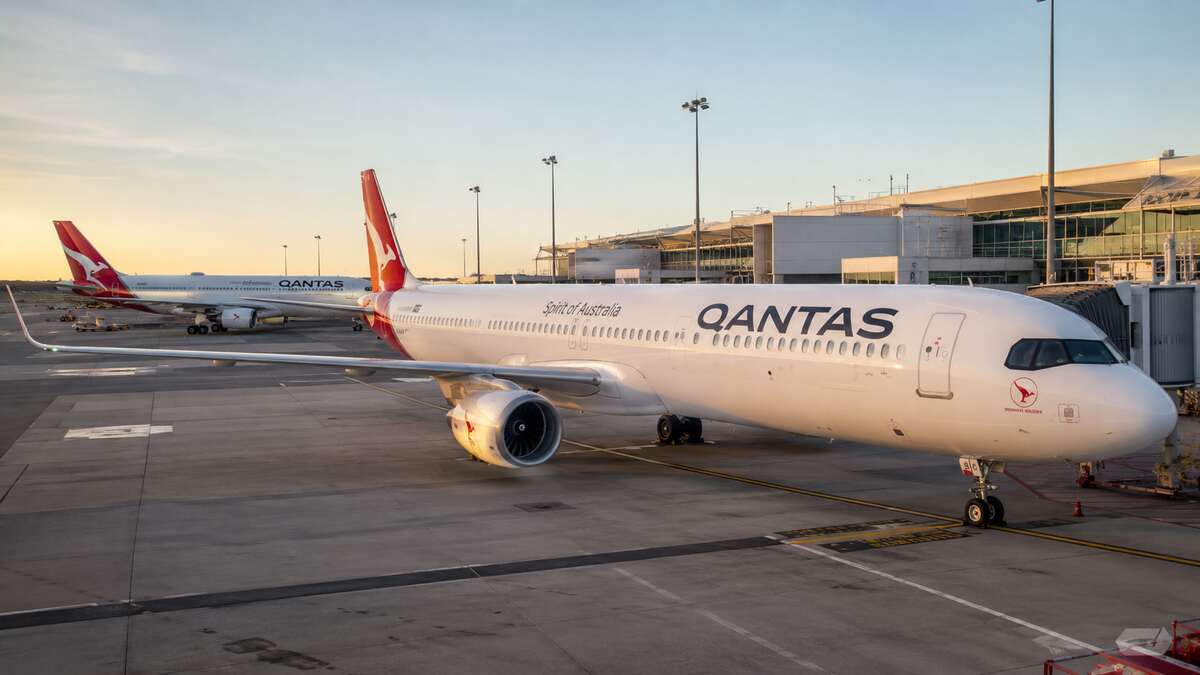
Qantas has postponed the international debut of its Airbus A321XLR by more than three months, pushing the aircraft’s planned introduction on the Brisbane-Manila route from October 25, 2026, to February 1, 2027.
The Australian carrier’s revised schedule means passengers traveling between Brisbane Airport and Ninoy Aquino International Airport will continue to fly aboard the larger Airbus A330-200 through January 31, 2027. The A321XLR is currently scheduled to assume the route the following day, though airline timetables remain subject to further changes.
The delay represents a shift in Qantas’ plans for deploying its new long-range narrowbody aircraft beyond Australia. The carrier has already begun introducing the A321XLR on domestic services as part of a broader fleet modernization program.
Airbus A330 to Remain on Brisbane-Manila Route
Qantas initially planned to place the A321XLR on the Brisbane-Manila route beginning October 25 as the service expanded to daily operations. Under the revised schedule, the A330-200 will remain assigned to the route for the first three months of the expanded timetable.
The continued use of the widebody aircraft will provide more capacity than the 197-seat configuration installed on Qantas’ initial A321XLRs. However, operating a larger aircraft can also result in higher costs when compared with the fuel efficiency and scheduling flexibility offered by a single-aisle jet.
Qantas has secured additional capacity for the market after Australia’s International Air Services Commission approved two extra weekly frequencies for the airline. The route is expected to maintain its planned daily schedule despite the change in aircraft, according to Simple Flying.
Brisbane-Manila Service Has Established History
The Brisbane-Manila connection previously operated until 2013 before Qantas restored it in 2024. Its return strengthened the airline’s direct links between Queensland and the Philippines, serving both leisure passengers and travelers visiting friends and relatives.
Daily operations will give customers additional scheduling options while increasing Qantas’ capacity between the two countries. The service also provides onward domestic and international connections through the airline’s Brisbane hub.
Manila was expected to become the first international destination served by the Qantas A321XLR. The revised February launch remains an important milestone because it will demonstrate how the carrier plans to deploy long-range, single-aisle aircraft across regional international markets.
A321XLR Central to Qantas Fleet Renewal
Qantas currently operates seven Airbus A321XLR aircraft, including its newest example delivered in 2026. The airline has ordered 48 of the jets in total, making the model a significant component of its long-term fleet replacement strategy.
The A321XLR is designed to fly longer routes than conventional narrowbody aircraft while retaining the operational flexibility of a single-aisle jet. Qantas says the aircraft is five meters longer than the Boeing 737 it is intended to replace and can carry 197 passengers in the airline’s initial configuration.
The type is already being introduced across Qantas’ domestic network, including routes involving Sydney, Brisbane, Melbourne and Perth. Over time, the airline expects to use the aircraft for services throughout Australia, Southeast Asia and the Pacific.
Lie-Flat Business Class Planned From 2028
While Qantas’ initial A321XLRs feature a 197-seat layout, later additions to the fleet will offer a different onboard product. Sixteen aircraft are expected to include lie-flat Business Class seats, with deliveries of that configuration scheduled to begin in 2028.
Those premium-equipped aircraft could allow Qantas to deploy the A321XLR on longer international routes while offering a more competitive experience for business travelers. The model’s range also gives the airline the ability to evaluate thinner markets that may not consistently support a larger A330.
Revised Launch Remains Key International Test
Although the postponement delays an important step in Qantas’ fleet strategy, it does not change the airline’s broader commitment to the A321XLR. The aircraft is expected to play a growing role as Qantas replaces older Boeing 737s and expands its regional international network.
When the A321XLR begins Brisbane-Manila service in February 2027, the route will provide the first practical test of how Qantas can use the long-range narrowbody to balance passenger demand, operating costs and international growth. Until then, the A330-200 will continue providing daily service between Queensland and the Philippine capital.
