


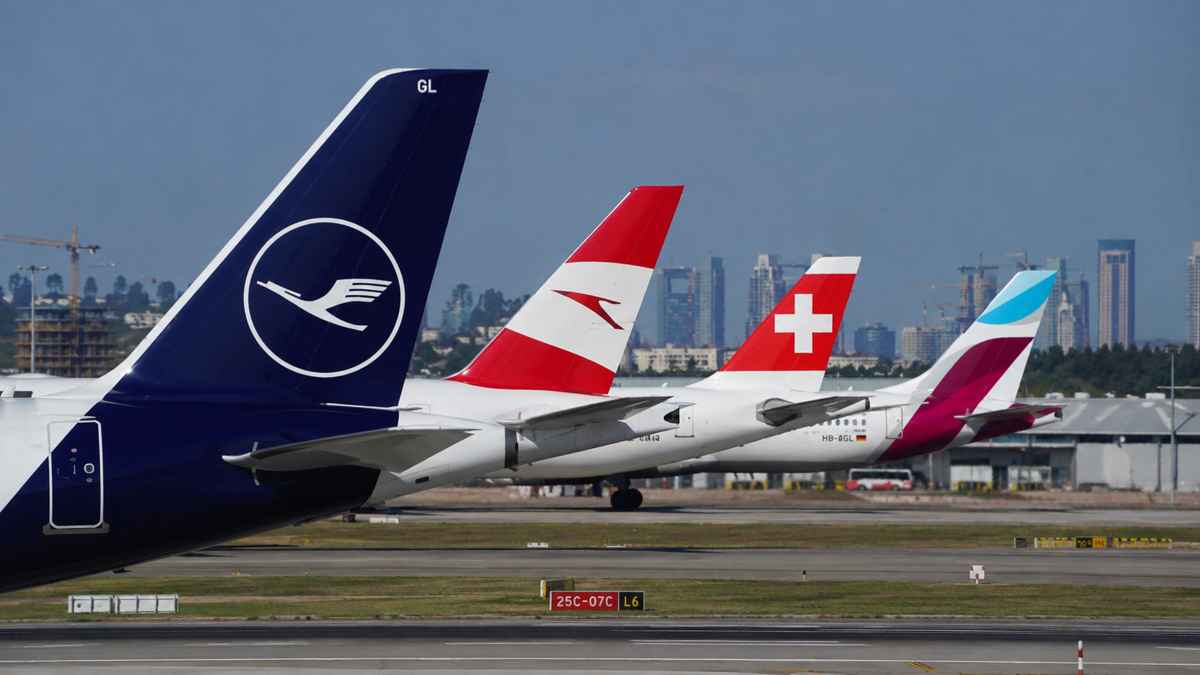
Lufthansa, Austrian, Swiss, and Eurowings Plan Gradual Return to Tel Aviv Following Updated EASA Guidance
FRANKFURT — Lufthansa Group is preparing to gradually restore passenger services to Tel Aviv after months of suspended operations tied to escalating regional tensions and the conflict involving Iran earlier this year.
The phased return will see multiple airlines within the group restart flights between June and mid-July, reflecting improving operational assessments and updated guidance from European aviation regulators.
The routes had been suspended since the outbreak of the Iran conflict at the end of February, as airlines across Europe and the Middle East reassessed security risks associated with operating in the region.
Under the current plan, Austrian Airlines will become the first Lufthansa Group carrier to resume service to Tel Aviv, restarting flights from the beginning of June. The airline will reconnect Israel’s main international gateway with its hub at Vienna International Airport.
Lufthansa and Swiss to Follow in July
Lufthansa and Swiss International Air Lines are expected to resume operations to Tel Aviv at the start of July, according to the company’s latest schedule update.
Meanwhile, low-cost subsidiary Eurowings plans to restore its connections to the Israeli city by mid-July as summer travel demand begins to strengthen across Europe and the eastern Mediterranean.
Not all Lufthansa Group carriers are returning on the same timeline. Brussels Airlines remains more cautious, confirming that its flights between Brussels Airport and Tel Aviv will stay suspended until October 24.
Lufthansa stated that the decision to gradually resume the routes follows a comprehensive safety and security assessment.
The staggered restoration highlights the continued uncertainty facing airlines operating in the Middle East, where security conditions and airspace restrictions remain fluid despite signs of stabilization.
Wizz Air Moves Ahead of Major European Rivals
While Lufthansa Group carriers are taking a phased approach, Wizz Air is moving faster to re-enter the Israeli market.
The budget airline confirmed it will restart Tel Aviv services beginning May 28, making it one of the earliest European carriers to resume regular operations to Israel following the conflict-related suspensions.
The airline cited the latest update from the European Union Aviation Safety Agency, along with ongoing coordination with local and international authorities, as the basis for its decision.
The earlier return gives Wizz Air a competitive advantage during the early summer travel period, particularly as leisure and visiting-friends-and-relatives traffic gradually returns to the market.
EASA Maintains Caution Across Middle East Airspace
The latest guidance from European Union Aviation Safety Agency continues to reflect broader concerns surrounding Middle Eastern airspace.
According to Flight Global, EASA issued an updated advisory covering airspace across the Middle East and Persian Gulf, valid through May 27.
The regulator continues recommending that airlines avoid operating within the affected airspace of Iran, Iraq, and Lebanon due to ongoing safety concerns.
For several neighboring countries — including Bahrain, Kuwait, Israel, Jordan, Qatar, Oman, the United Arab Emirates, and Saudi Arabia — EASA advised operators to exercise caution and consider potential operational risks when planning flights.
The guidance remains a key factor shaping airline decisions as carriers weigh passenger demand against operational and insurance-related risks.
Middle East Airlines Also Expanding Regional Operations
Airlines based in the Gulf region are also gradually rebuilding networks that were disrupted during the conflict period.
Qatar Airways has continued restoring regional services after temporarily withdrawing from several destinations earlier during the Iran-related escalation.
On May 13, the Doha-based airline resumed twice-daily flights to Abu Dhabi International Airport.
The restored route makes Abu Dhabi the third destination in the United Arab Emirates currently served by Qatar Airways, alongside Dubai International Airport and Sharjah International Airport.
The coordinated return of both European and Middle Eastern carriers signals cautious optimism that regional aviation markets are beginning to stabilize, although airlines continue to closely monitor geopolitical developments and evolving regulatory guidance.
