


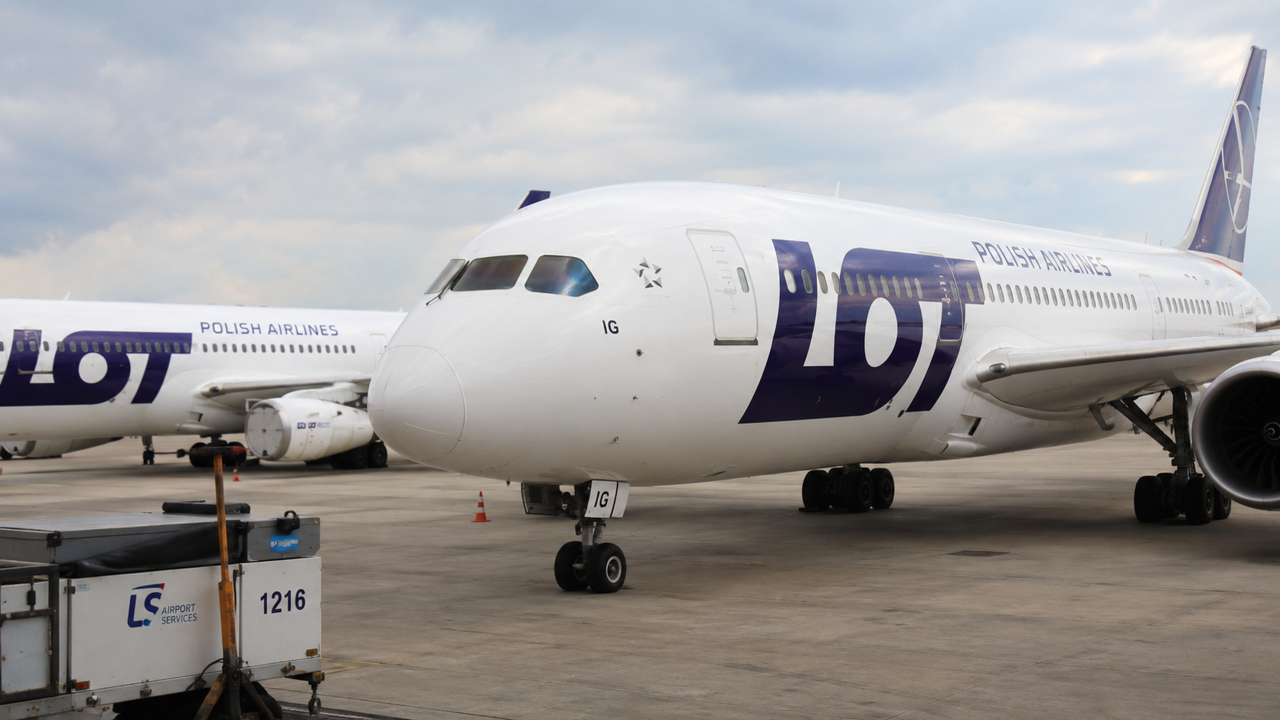
LOT Accuses Boeing of Hiding Safety Concerns During 737 MAX Campaign
SEATTLE — LOT Polish Airlines has accused Boeing of concealing critical safety concerns tied to the 737 MAX aircraft during a major fleet expansion campaign in 2016, according to arguments presented this week in a U.S. federal court in Seattle.
The case, now being heard in the U.S. District Court in Seattle, centers on allegations that Boeing misrepresented the safety profile and pilot training requirements of the Boeing 737 MAX while aggressively competing against the Airbus A320neo family for airline orders.
LOT claims those alleged misrepresentations caused significant financial harm after the global grounding of the 737 MAX fleet in 2019 following two fatal crashes that triggered worldwide regulatory scrutiny of the aircraft program.
Boeing Trial Begins Over 737 MAX Claims
LOT filed the lawsuit in 2021, seeking compensation for lost revenue and operational disruption caused by the worldwide grounding of the 737 MAX after crashes involving Lion Air and Ethiopian Airlines.
During opening statements, attorneys for the Polish carrier argued that Boeing intentionally failed to disclose information related to the Maneuvering Characteristics Augmentation System (MCAS), a flight-control software later identified as a key factor in both accidents that killed 346 people.
According to LOT’s legal team, Boeing marketed the aircraft as a cost-efficient successor to earlier 737 models because airlines could avoid costly simulator-based pilot training during the transition to the MAX aircraft.
LOT executives argued that Boeing’s assurances regarding minimal training requirements played a major role in the airline’s decision to lease 15 Boeing 737 MAX aircraft during a financially challenging period for the carrier.
Training Costs Became a Key Selling Point
Former LOT executive Maciej Wilk testified that switching to the Airbus A320 family would have required substantial additional pilot training expenses, making Boeing’s proposal more financially attractive at the time.
The airline maintains that Boeing’s sales strategy emphasized operational continuity and lower transition costs while downplaying technical concerns connected to the aircraft’s flight-control systems.
The dispute has become one of the most closely watched airline lawsuits linked to the 737 MAX crisis, particularly because most airlines previously resolved similar claims through confidential settlements rather than taking the matter to trial.
MCAS Safety Issues Take Center Stage
The lawsuit focuses heavily on Boeing’s development and certification process for MCAS before the aircraft entered commercial service.
LOT alleges that Boeing failed to fully disclose concerns about the software system while negotiating aircraft sales with airlines worldwide.
MCAS was designed to automatically push the aircraft’s nose downward under specific flight conditions. Investigators later determined that faulty sensor readings repeatedly activated the system in both the Lion Air Flight 610 and Ethiopian Airlines Flight 302 crashes.
LOT’s attorneys argued in court that Boeing continued publicly assuring airlines and passengers that the aircraft remained safe even after the first crash in Indonesia in October 2018.
The airline stated it continued operating its MAX fleet until aviation regulators around the world grounded the aircraft after the second crash in Ethiopia in March 2019.
Global Grounding Disrupted Airlines Worldwide
The grounding lasted nearly 20 months and forced airlines globally to cancel flights, revise schedules, delay fleet expansion plans, and secure replacement aircraft to maintain operations.
Regulators eventually approved the aircraft’s return to service after Boeing redesigned the MCAS system and implemented enhanced pilot training requirements.
The 737 MAX has since gradually returned to commercial service worldwide, although the aircraft program continues to face legal, regulatory, and reputational challenges stemming from the crashes and subsequent investigations.
Boeing Rejects LOT’s Allegations
Boeing denied the airline’s claims during court proceedings and argued that LOT’s continued use of the 737 MAX weakens its fraud allegations.
Attorneys representing Boeing questioned why the airline continues operating the aircraft if it truly believed the manufacturer intentionally deceived customers during the sales process.
The company also highlighted that aviation regulators around the world cleared the aircraft to return to service following extensive technical reviews and certification changes.
Boeing has already paid billions of dollars in compensation to victims’ families and has reached settlements with several airlines affected by the grounding.
However, LOT is widely believed to be the first airline to pursue a full courtroom trial over MAX-related claims instead of reaching a private settlement with the aircraft manufacturer.
Industry Watching Outcome Closely
The outcome of the trial could carry broader implications for aircraft manufacturers and airlines regarding disclosure obligations, pilot training standards, and liability tied to aircraft certification programs.
The proceedings also arrive as Boeing continues working to rebuild confidence among airlines, regulators, and passengers following years of scrutiny surrounding the 737 MAX program and broader manufacturing concerns.
The trial is expected to continue in Seattle in the coming weeks.
