


Airline Restores Historic Pacific Route as It Expands Japan Network
Delta Air Lines is preparing to return to Tokyo Narita International Airport after a seven-year absence, restoring one of the most important routes in the carrier’s Pacific history. The airline will restart daily nonstop flights between Seattle-Tacoma International Airport and Narita International Airport beginning March 27, 2027.
The move represents a major step in Delta’s strategy to strengthen its presence in Japan while offering travelers more options between the United States and Asia. The airline will continue operating its existing Seattle-Tokyo Haneda service, creating two nonstop choices between Seattle and the Japanese capital.
Delta said the renewed Narita route will complement its Haneda operations rather than replace them, allowing passengers to select the airport that best matches their travel plans.
Delta Restores Seattle to Narita Service
Delta Air Lines confirmed that daily nonstop flights between Seattle and Tokyo Narita will resume in 2027, marking the airline’s first scheduled service to the airport since operations were suspended during the early stages of the COVID-19 pandemic.
Narita holds special significance in Delta’s international network. For decades, the airport served as the airline’s primary gateway across the Pacific, connecting passengers from North America with destinations throughout Asia and the South Pacific.
The importance of Narita increased after Delta acquired Northwest Airlines in 2008. Northwest had developed one of the largest international operations at Narita, and Delta inherited a wide-ranging network that linked the United States with several Asian markets.
Delta Vice President of International Network Planning Jeff Arinder highlighted the importance of Japan to the airline’s global strategy.
“Japan continues to be one of the most important and beloved destinations in Delta’s global network, and adding Seattle–Narita service gives our customers even more choice when planning their travel.”
Narita’s Role in Delta’s Pacific Expansion
Before Delta shifted its focus toward Tokyo Haneda Airport, Narita served as the foundation of the airline’s transpacific operations.
The airport supported flights from several U.S. cities and included a number of fifth freedom services, allowing Delta to carry passengers between two foreign countries as part of longer international routes.
Among the notable connections were:
- Narita to Manila
- Manila to Singapore
- Narita to Guam
- Narita to Shanghai
- Narita to Taipei
These routes helped establish Narita as one of Delta’s most strategically important international hubs.
However, during the 2010s, Delta gradually reduced its Narita presence as it shifted operations toward Haneda Airport. Located closer to central Tokyo, Haneda provides shorter transfer times for many travelers.
At the same time, Delta increased its focus on Seoul Incheon International Airport through its partnership with Korean Air, making Seoul a key connecting point for passengers traveling throughout Asia.
The return to Narita signals a renewed balance in Delta’s Japan strategy, combining its existing Haneda presence with additional capacity at another major international gateway.
Two Daily Seattle to Tokyo Options
Once the new service launches, Delta passengers flying from Seattle will have two nonstop options to Tokyo.
Travelers will be able to choose between Narita and Haneda depending on their final destination, business needs, onward connections, or airport preference.
Delta’s Tokyo network is expected to include nonstop Haneda flights from several major U.S. cities, including:
- Seattle
- Los Angeles
- Minneapolis
- Detroit
- Atlanta
The Seattle-Narita route will add another connection between the Pacific Northwest and Japan while expanding Delta’s overall international footprint.
Airbus A330-900neo Selected for New Route
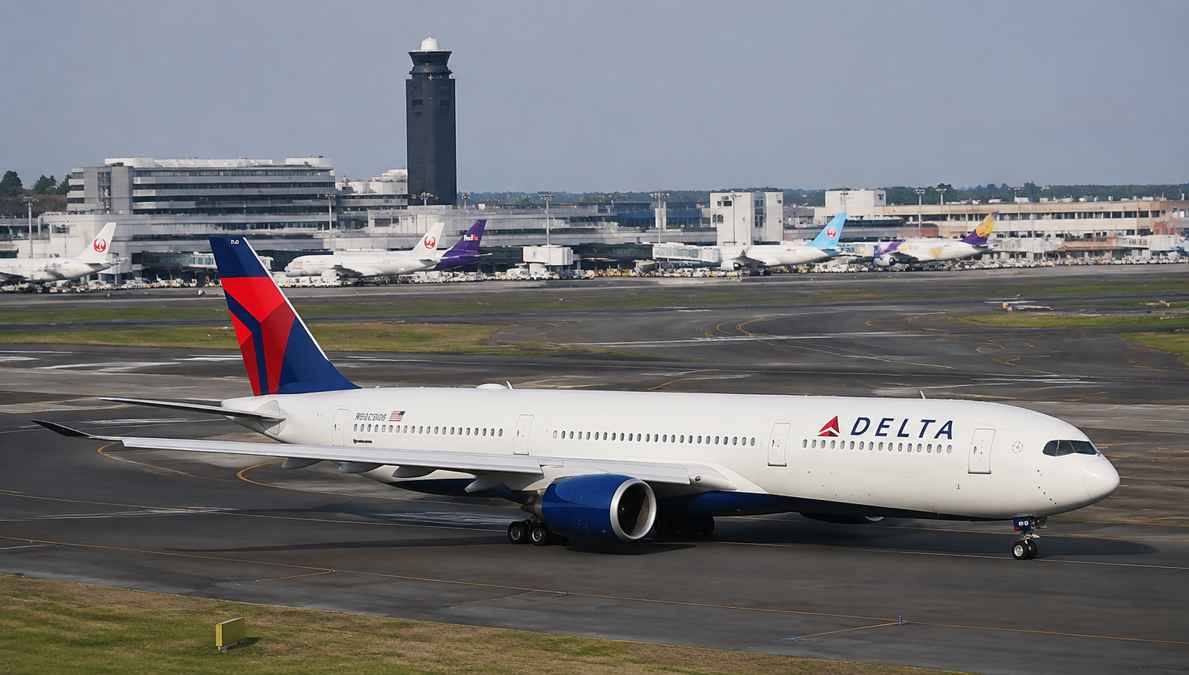
Delta will operate the Seattle to Narita service using the Airbus A330-900neo, one of the airline’s newest wide-body aircraft.
The long-haul aircraft will feature four cabin classes, providing options for premium travelers as well as economy passengers.
The use of the A330-900neo reflects Delta’s continued investment in modern aircraft for international operations, particularly on high-demand Pacific routes.
Delta Strengthens Asia-Pacific Network
The Narita announcement is part of Delta’s wider effort to expand its Asia-Pacific network.
The airline has recently increased its international focus with additional routes connecting the United States with key Asian markets. Delta has announced plans for a new nonstop service between Los Angeles and Manila, scheduled to begin in 2027.
The carrier also launched nonstop flights between Los Angeles and Hong Kong, further strengthening connections between the United States and Asia.
These expansions reflect growing demand for international business and leisure travel while improving connectivity across the Pacific region.
Competition Grows on Seattle-Tokyo Market
Delta’s return to Narita will increase competition on one of the busiest international markets from the Pacific Northwest.
Alaska Airlines currently operates nonstop flights between Seattle and Narita using Boeing 787-9 Dreamliner aircraft. The carrier expanded its long-haul international capabilities following its acquisition of Hawaiian Airlines in 2024.
With both airlines serving the route, passengers are expected to benefit from additional choices, greater seat availability, and competitive scheduling options.
Narita and Haneda Serve Different Travelers
Although both airports serve the Tokyo metropolitan area, they offer different advantages.
Haneda is closer to central Tokyo, making it popular among business travelers and visitors who want faster access to the city.
Narita, while farther from central Tokyo, remains one of Japan’s largest international airports and provides extensive connections to destinations throughout Asia and other global markets.
By operating flights to both airports, Delta can serve a wider range of travelers with different priorities and itineraries.
Lounge Options for Delta Passengers
Delta passengers traveling through Tokyo will also find differences in airport services.
Tokyo Haneda is home to Delta’s only Sky Club outside the United States, offering eligible passengers access to premium lounge facilities.
Narita does not currently have a Delta Sky Club. However, eligible travelers can access the Korean Air Lounge through Delta’s SkyTeam partnership.
Delta’s Return Creates More Choices for Japan Travelers
The restoration of Seattle-Narita service gives Delta customers greater flexibility when traveling between the United States and Japan.
While Haneda may remain the preferred option for passengers heading directly into central Tokyo, Narita offers strong international connectivity and may benefit travelers continuing to other destinations across Asia.
By maintaining service at both Tokyo airports, Delta is strengthening its position in one of its most important international markets.
Conclusion
Delta’s return to Tokyo Narita after seven years marks a significant moment in the airline’s Pacific network strategy. The restored Seattle-Narita route reconnects the carrier with an airport that once played a central role in its international operations.
Combined with continued Haneda service and recent expansion across Asia, the new route highlights Delta’s long-term commitment to Japan and the broader Asia-Pacific market.
