


Delta Deploys Unconventional Airbus A321neo Layout on Premium Domestic Routes
Delta Air Lines is preparing to introduce a temporary high-density premium cabin aboard a select group of its new Airbus A321neo aircraft, following supply chain disruptions that have delayed the delivery of lie-flat Business Class seats intended for the fleet.
The Atlanta-based carrier will begin operating seven specially configured Airbus A321neo jets later this month on premium transcontinental routes linking Atlanta with Los Angeles, San Francisco, Seattle, and San Diego. The aircraft will feature an unusually large domestic First Class section with 44 recliner seats, marking a significant departure from Delta’s standard narrowbody cabin layouts.
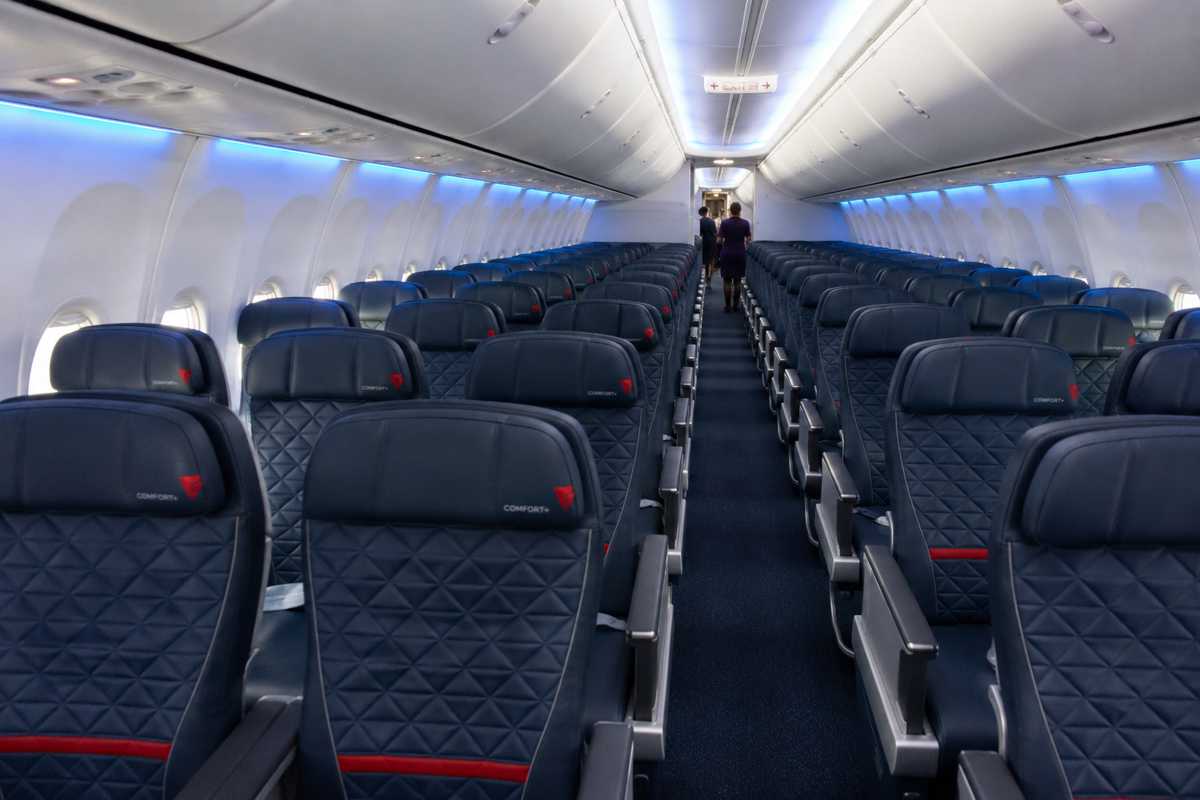
The first leaked image of the cabin configuration surfaced online this week, offering aviation enthusiasts and industry analysts an early look at the temporary setup. The aircraft were originally designed to debut with lie-flat Business Class suites, but certification and manufacturing delays tied to the seat supplier left several completed airframes sitting idle.
Supply Chain Delays Force Temporary Cabin Solution
Delta executives said the airline opted to move forward with a temporary arrangement rather than postpone the aircraft’s entry into service during the busy summer travel season.
Mauricio Parise, Delta’s VP of Customer Experience Design, addressed the issue directly. He stated that the supply chain occasionally throws curveballs and that the airline opted for a creative solution rather than wait, ensuring customers could access the newest aircraft in time for the summer travel season.
The temporary cabin layout was shaped largely by structural limitations inside the aircraft. Seat tracks already installed along the cabin floor restricted how extensively Delta could redesign the interior while waiting for the intended premium suites.
As a result, the aircraft’s First Class section now extends from Row 1 through Row 11, creating one of the largest domestic premium cabins currently operating on a U.S. narrowbody aircraft.
Cabin Configuration Marks Sharp Shift From Existing Fleet
The modified Airbus A321neo aircraft will accommodate 164 passengers across two classes. The cabin includes 44 First Class recliner seats, 54 Delta Comfort extra-legroom Economy seats, and 66 standard Economy seats.
That layout differs substantially from Delta’s current Airbus A321neo configuration, which seats 194 passengers with 20 domestic First Class recliners, 60 Delta Comfort seats, and 114 Main Cabin seats.
The aircraft were initially intended to debut in a three-class premium-heavy configuration featuring 148 seats in total. Delta’s long-term plan for the jets includes 16 lie-flat Business Class suites, 12 Premium Economy seats, 54 extra-legroom Economy seats, and 66 standard Economy seats.
Delta currently operates nearly 90 Airbus A321neo aircraft and maintains firm orders for more than 100 units overall as part of its broader fleet modernization strategy.
Service Challenges Emerge in Expanded Premium Cabin
While the enlarged First Class section increases premium seating capacity on high-demand domestic routes, the configuration also introduces operational complexities for onboard crews.
Delta plans to assign two flight attendants to the forward cabin instead of the standard single crew member typically responsible for domestic First Class service. Even with additional staffing, serving 44 premium passengers from the aircraft’s compact forward galley is expected to present logistical challenges, particularly on longer transcontinental flights.
Aviation observers have raised concerns online about meal preparation and service efficiency, pointing to the limited galley space available for plating dozens of premium meals during peak service periods.
The airline has not disclosed whether onboard meal offerings or service procedures will be adjusted to accommodate the temporary configuration.
Lavatory Ratio Draws Industry Attention
The aircraft’s lavatory arrangement has also generated discussion among aviation analysts and frequent travelers.
The temporary layout includes only three lavatories for the entire 164-passenger cabin. One lavatory at the front of the aircraft will serve all 44 First Class passengers, creating a passenger-to-lavatory ratio of roughly 54.7 to one.
Despite criticism from some travelers, the figure remains lower than the ratio introduced by Qantas on its Airbus A321XLR aircraft. Qantas faced scrutiny after unveiling a 67-to-1 passenger-to-lavatory ratio on those jets and has since begun retrofitting additional lavatories onto the aircraft.
Temporary Configuration Could Extend Beyond Summer
Delta said the seven retrofitted aircraft are expected to remain in the temporary two-class configuration through at least the summer travel season. Any extension beyond that timeline will depend on the certification and delivery schedule for the delayed lie-flat Business Class seats.
In the meantime, Delta will continue operating aircraft equipped with lie-flat Business Class cabins on select Atlanta-to-Los Angeles services during peak departure periods in an effort to preserve premium options for high-value travelers.
The temporary A321neo configuration highlights the growing impact of global aerospace supply chain disruptions on airline fleet planning and cabin product rollouts. Carriers across the industry continue to face delays tied to aircraft interiors, engines, and certification timelines, forcing operators to adopt interim solutions as demand for premium travel remains strong.
