


Premium Narrowbody Strategy Hits Unexpected Turbulence
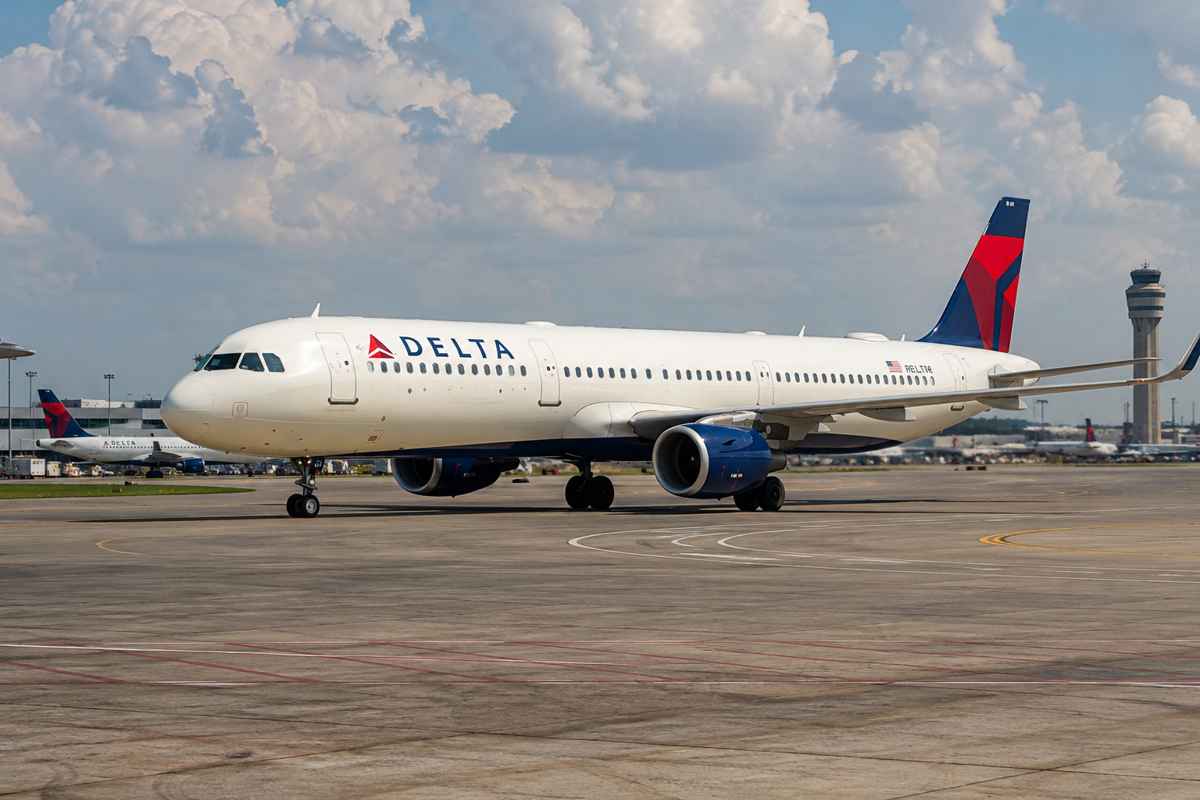
Delta Air Lines is facing a significant setback in its effort to modernize premium domestic travel, as certification issues tied to a new business class seat have delayed the launch of its highly anticipated flat-bed Airbus A321neo aircraft until at least 2028.
The Atlanta-based carrier had originally planned to introduce the aircraft in late 2024 as part of a broader strategy to upgrade premium transcontinental flying. Instead, the aircraft are currently operating with temporary interiors after the airline encountered prolonged certification problems involving its planned lie-flat business class seats.
The delay marks one of the longest cabin certification disruptions seen in recent U.S. aviation history and underscores growing industry challenges around seat manufacturing, certification timelines, and supply chain execution.
Delta Introduced Temporary Cabin Layouts After Delivery Delays
Delta intends to operate 21 Airbus A321neo aircraft in a premium-heavy three-cabin configuration internally known as “3NF.” The jets were designed to carry 148 passengers, substantially fewer than the 194 seats installed on Delta’s standard domestic A321neo fleet.
Planned Cabin Configuration
The original layout was expected to include:
- 16 Delta One lie-flat business class seats in a 1-1 configuration with privacy doors
- 12 Delta Premium Select seats in a 2-2 arrangement
- 54 Comfort+ seats
- 66 Main Cabin seats
The aircraft were expected to become a key part of Delta’s premium domestic strategy, particularly on high-yield transcontinental routes.
However, the airline began taking delivery of the aircraft in October 2024 before the business class seats had completed certification. As a result, several jets were placed into storage in Victorville, California, for roughly 18 months while the airline sought a solution.
With no immediate certification breakthrough, Delta later opted to place the aircraft into service using a temporary interior configuration featuring standard domestic first class seating.
The interim layout includes 44 first class seats occupying the cabin areas originally intended for Delta One and Premium Select products.
Lie-Flat Product Still Under Development
Delta Expects Entry Into Service Around 2028
Delta Chief Commercial Officer Joe Esposito recently discussed the timeline during an interview with Business Traveller, indicating that the airline is continuing development and testing of the lie-flat product.
According to Esposito, the flat-bed A321neo product remains under development and is expected to enter service in approximately two years.
Based on that timeline, the aircraft are unlikely to debut with their intended premium cabins before 2028, representing a delay of more than three years from Delta’s original schedule.
The prolonged postponement highlights the mounting complexity involved in certifying next-generation premium seating systems, particularly those designed for narrowbody aircraft where cabin space constraints are more demanding.
Safran VUE Seat Believed to Be at Center of Certification Issues
Industry observers expect Delta selected the Safran VUE reverse herringbone business class seat for the aircraft. The same seat platform has also faced delays elsewhere in the industry.
Safran introduced the VUE seat as a next-generation narrowbody premium product intended to deliver long-haul comfort on single-aisle aircraft. However, the platform has yet to enter commercial service.
flydubai previously announced plans to install the seat on its Boeing 737 MAX fleet, but those aircraft have also not entered service.
The extended certification process has raised questions within the industry about whether the seat’s regulatory hurdles can be resolved quickly enough to meet airline deployment plans.
Meanwhile, competing seat products have already entered service. The Stelia Aerospace OPERA reverse herringbone platform is currently flying on Airbus A321LR and A321neo aircraft operated by Etihad Airways and ITA Airways.
Delta Betting on Premium Domestic Demand
Narrowbody Aircraft Replacing Aging Widebody Fleet
Delta plans to deploy the premium A321neos on lucrative domestic routes traditionally operated by Boeing 757s and Boeing 767s.
The airline’s aging 757 fleet currently offers a less competitive 2-2 business class layout, while many of its 767 aircraft are approaching retirement age or transitioning toward international operations.
Competitors have already expanded their use of premium-configured narrowbody aircraft on transcontinental routes.
JetBlue operates Mint-configured Airbus A321 aircraft, while American Airlines continues operating specially configured A321s and is preparing for the arrival of the Airbus A321XLR. United Airlines is also developing a premium-focused A321neo fleet for similar markets.
Delta is simultaneously reconfiguring some Boeing 757 aircraft into standard domestic layouts to add capacity elsewhere across its network.
The airline also continues operating Boeing 767-400ER aircraft on domestic routes, though those jets may increasingly shift toward international flying as newer narrowbody aircraft enter service.
Questions remain about whether the premium A321neo fleet will eventually replace larger aircraft on some of Delta’s busiest routes, including New York JFK to Los Angeles, where demand for both premium and economy seating remains high.
