


Flight From Rome Declares Emergency During Final Approach to London
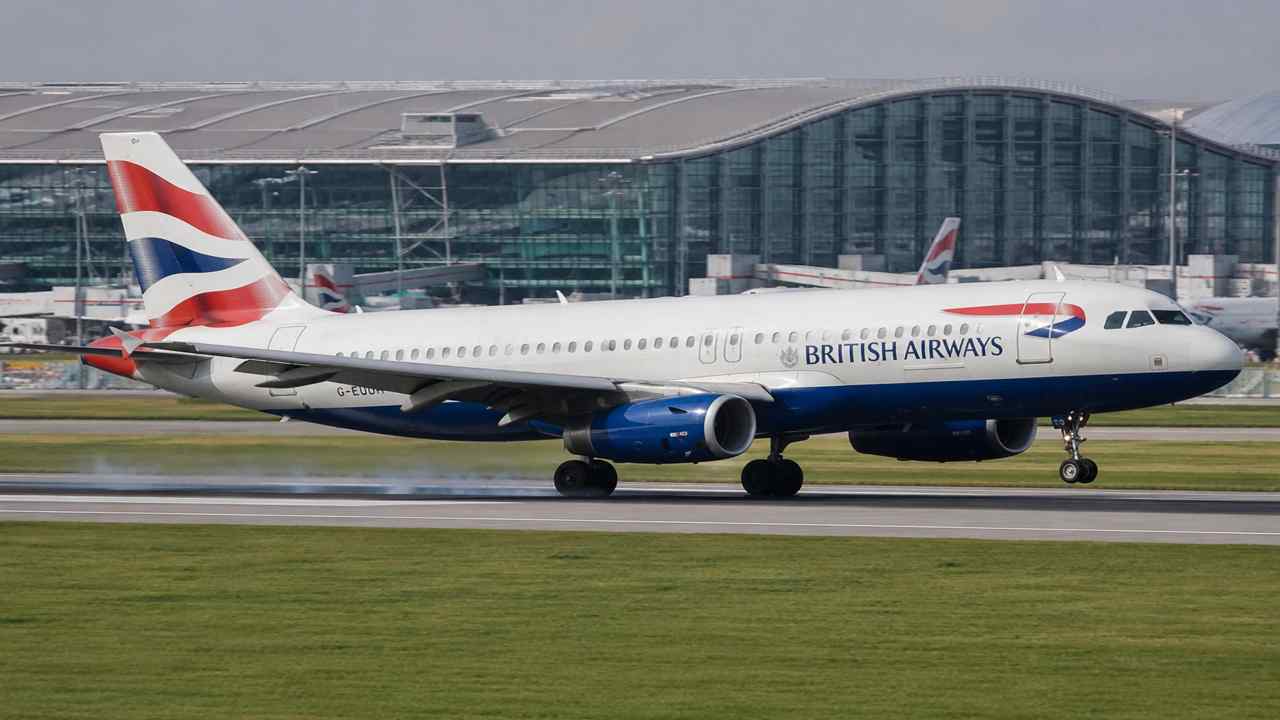
LONDON — A British Airways Airbus A320 made a safe emergency landing at London Heathrow Airport on Wednesday after pilots detected a hydraulic system fault affecting the aircraft’s landing gear during its final approach. The crew aborted its initial landing attempt, declared an emergency, and safely landed the aircraft about 20 minutes later without injuries to passengers or crew.
The aircraft was operating British Airways Flight BA547 from Rome Fiumicino Airport to London Heathrow when the issue occurred near the end of the flight. Aviation procedures and coordination between the flight crew and air traffic controllers helped ensure a safe outcome despite the technical malfunction.
Hydraulic Fault Forces Go-Around
The Airbus A320 departed Rome Fiumicino Airport at approximately 11:40 a.m. local time and completed most of the journey without incident.
As the aircraft approached Heathrow’s northern runway, pilots identified a hydraulic system problem connected to the landing gear. Because the crew could not confirm normal landing gear deployment, they decided it was unsafe to continue the approach.
At an altitude of about 450 feet above ground level, the pilots executed a go-around, a standard aviation maneuver used when landing conditions are not suitable. The aircraft climbed away from the runway to approximately 3,700 feet before entering a holding pattern, allowing the crew time to evaluate the situation.
Emergency Procedures Followed
While circling the airport, the flight crew worked through the aircraft’s emergency checklists to diagnose the hydraulic malfunction and determine whether the aircraft could safely land.
The pilots also transmitted the internationally recognized Squawk 7700 emergency code, notifying air traffic control that the flight required priority handling. The emergency declaration enabled controllers to coordinate the aircraft’s arrival while preparing airport emergency services as a precaution.
The holding pattern lasted for roughly 20 minutes while the crew completed the necessary procedures before preparing for a second landing attempt.
Aircraft Lands Safely at Heathrow
After completing the required emergency checks, Flight BA547 returned for another approach to Heathrow.
The aircraft landed safely at approximately 1:45 p.m. local time without further complications, according to The Mirror. Fire and rescue vehicles were positioned alongside the runway during the landing, which is standard procedure for aircraft emergencies involving potential landing gear issues.
Emergency response teams routinely stand by during such events to provide immediate assistance if needed after touchdown. In this case, the aircraft remained fully under control throughout the incident, and no injuries were reported among passengers or crew.
The successful landing brought the emergency to a safe conclusion after the flight crew managed the hydraulic fault in accordance with established aviation safety procedures.
Temporary Operational Impact at Heathrow
The emergency briefly affected operations at London Heathrow, one of the world’s busiest international airports.
To accommodate the priority landing, air traffic controllers redirected arriving aircraft from the airport’s northern runway to the southern runway while Flight BA547 completed its approach and underwent an initial safety assessment after landing.
The temporary runway adjustments remained in effect for only a short period before normal operations resumed. According to available information, the incident caused only limited delays for other arriving and departing flights.
Safety Procedures Minimized Disruption
Go-arounds, emergency declarations, and the use of Squawk 7700 are established safety measures designed to give flight crews additional time and support when dealing with technical issues in flight. In this case, the coordinated response between the pilots, air traffic control, and airport emergency personnel allowed the aircraft to land safely while minimizing disruption to airport operations.
The incident highlights the aviation industry’s layered safety protocols, which are intended to manage technical malfunctions and protect passengers and crew even when unexpected issues arise during the most critical phases of flight.
