


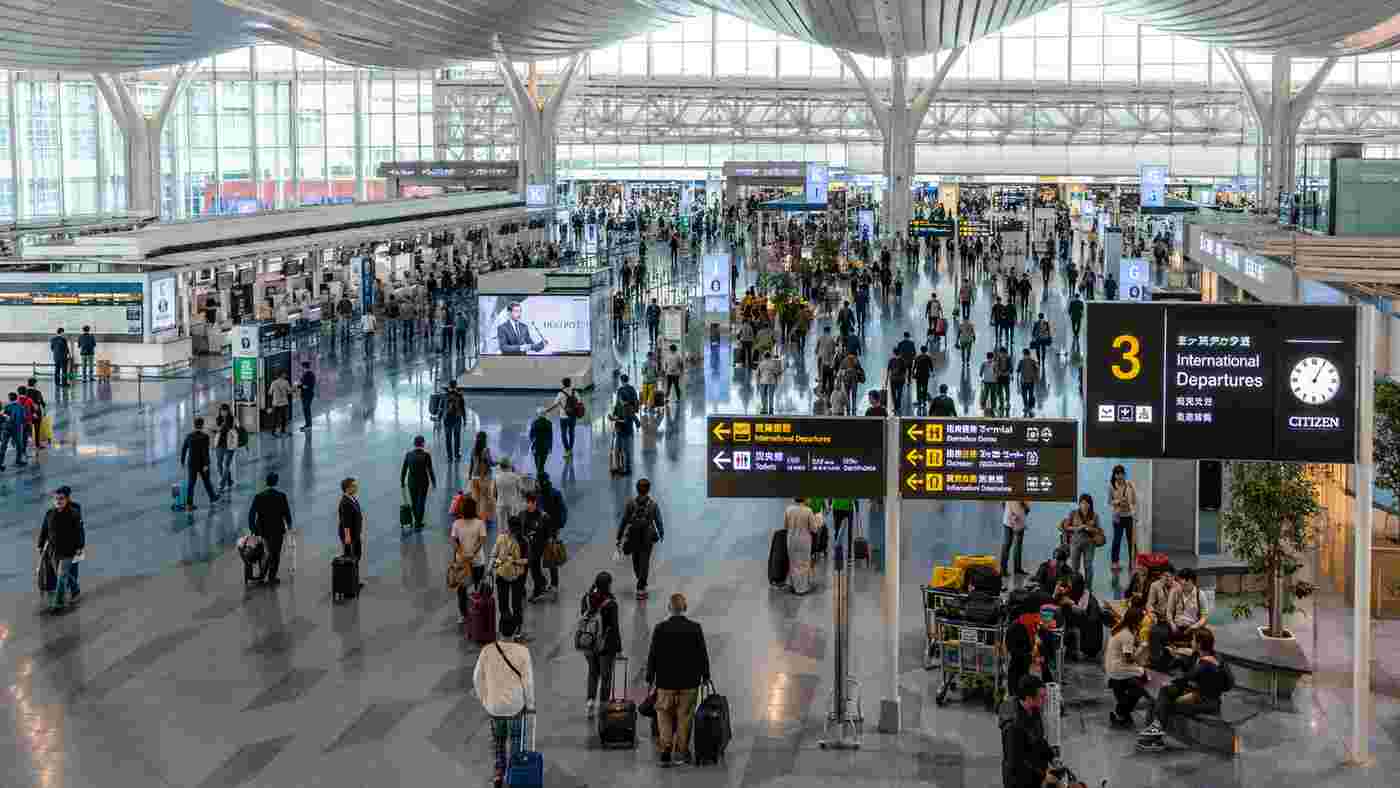
Seoul Incheon Tops Global Rankings as World’s Busiest Airports Continue Raising Service Standards
Airports serving more than 70 million passengers annually face some of the aviation industry’s greatest operational challenges, from managing security checkpoints and baggage systems to coordinating thousands of daily flights. Yet a select group of global hubs continues to demonstrate that large passenger volumes can coexist with high-quality customer service and efficient operations.
The Skytrax World Airport Awards 2026 have identified the world’s leading airports in the category of facilities handling more than 70 million passengers each year. The rankings recognize excellence in terminal comfort, cleanliness, efficiency, staff service, shopping, dining, and ease of transit.
This year’s list highlights airports across Asia, Europe, and North America that have continued investing in infrastructure, technology, and passenger experience while accommodating growing international travel demand.
Top Five Airports Handling More Than 70 Million Passengers
1. Seoul Incheon International Airport (South Korea)
Seoul Incheon International Airport earned the top spot among airports serving more than 70 million passengers annually, reinforcing its reputation as one of the world’s premier aviation hubs.
Located west of Seoul, the airport is widely recognized for its efficient operations, modern facilities, and consistently strong customer service. Spacious terminals, intuitive layouts, clear signage, and streamlined immigration procedures help reduce congestion and improve the travel experience.
Passengers also benefit from an extensive selection of restaurants, duty-free shopping, airline lounges, and relaxation spaces. Cultural exhibitions and entertainment areas provide travelers with an opportunity to experience Korean heritage while passing through the airport.
Its combination of advanced technology, operational efficiency, and hospitality continues to distinguish Incheon from other major international gateways.
2. Paris Charles de Gaulle Airport (France)
Paris Charles de Gaulle Airport ranked second among airports in this category, maintaining its position as one of Europe’s most significant international gateways.
Recent investments in terminal modernization and passenger services have improved navigation, comfort, and the overall customer experience. Travelers have access to luxury retail stores, restaurants, cafés, premium lounges, and upgraded facilities throughout the airport.
As France’s largest international airport, Charles de Gaulle continues to play a critical role in connecting Europe with destinations across six continents.
3. Indira Gandhi International Airport, Delhi (India)
Delhi’s Indira Gandhi International Airport secured third place, reflecting its growing importance as one of Asia’s leading aviation hubs.
Terminal 3 remains a standout feature, offering spacious interiors, contemporary architecture, and efficient passenger flow. Travelers frequently cite the airport’s cleanliness, broad retail offerings, and diverse dining options featuring both Indian and international cuisine.
Art installations and cultural exhibits throughout the terminal further enhance the visitor experience, while continued investments in technology, sustainability, and infrastructure support the airport’s long-term growth.
4. Los Angeles International Airport (United States)
Los Angeles International Airport (LAX) ranked fourth, remaining one of North America’s busiest and most strategically important airports.
Extensive redevelopment projects have transformed multiple terminals in recent years, improving passenger comfort, navigation, and operational efficiency. Expanded dining options, premium shopping, upgraded waiting areas, and enhanced lounge facilities have contributed to an improved traveler experience.
Despite handling enormous passenger volumes, LAX continues modernizing its infrastructure to strengthen its position as a major global gateway.
5. Beijing Capital International Airport (China)
Beijing Capital International Airport rounded out the top five.
Known for its expansive terminals and striking architecture, the airport continues investing in operational improvements and technology to better manage heavy passenger traffic. Travelers benefit from extensive shopping and dining options, spacious facilities, and ongoing enhancements to customer service.
As one of China’s primary international gateways, Beijing Capital remains a vital hub connecting the country with destinations around the world.
What Sets the Highest-Ranked Airports Apart?
The airports recognized by Skytrax share several characteristics that consistently contribute to positive passenger experiences despite exceptionally high traffic volumes.
Among the key strengths identified across the top-ranked facilities are:
- Fast and efficient security screening
- Clean, well-maintained terminals
- Reliable baggage handling systems
- Comfortable lounges and seating areas
- Wide-ranging shopping and dining options
- Helpful multilingual staff
- Strong ground transportation connections
- Clear signage and intuitive terminal layouts
- Advanced digital services and self-service technology
- Ongoing investment in passenger-focused improvements
These features help reduce travel stress while improving efficiency for millions of passengers each year.
Key Trends Emerging from the 2026 Rankings
Asia Continues to Lead
Three of the top five airports are located in Asia, underscoring the region’s continued investment in aviation infrastructure, customer service, and operational excellence.
Passenger Experience Remains a Priority
Even as international travel continues to grow, major airports are focusing on terminal upgrades, cleanliness, comfort, and operational efficiency to improve customer satisfaction.
Technology Drives Efficiency
Automation, biometric processing, digital wayfinding, and smart airport technologies are playing an increasingly important role in helping airports manage growing passenger numbers while reducing wait times.
Premium Amenities Enhance Competitiveness
Luxury retail, high-quality dining, wellness facilities, and premium lounges continue to influence traveler satisfaction and strengthen airport competitiveness.
Future Growth Will Depend on Innovation and Expansion
With global air travel expected to continue increasing, airports handling more than 70 million passengers annually will face mounting pressure to expand capacity without compromising service quality.
Future investments are expected to focus on artificial intelligence, biometric identification, sustainability initiatives, and terminal expansions designed to improve operational efficiency while maintaining a high standard of passenger comfort.
The airports recognized in the 2026 Skytrax rankings demonstrate that thoughtful planning, continuous investment, and a customer-first approach can enable even the world’s busiest aviation hubs to deliver a smooth and enjoyable travel experience.
Bottom Line
Handling more than 70 million passengers annually presents significant operational challenges, but the world’s highest-ranked airports continue proving that scale does not have to come at the expense of quality.
From Seoul Incheon to Los Angeles, the leading airports in the 2026 Skytrax rankings showcase how investment in infrastructure, technology, and customer service can create efficient, comfortable, and reliable travel experiences for millions of passengers every year.
