


Carrier Expands Connectivity Push Across Airbus Narrowbody Fleet
FORT WORTH, Texas — American Airlines plans to install Starlink satellite internet service on more than 500 narrowbody aircraft beginning in the first quarter of 2027, marking one of the largest inflight connectivity upgrades announced by a U.S. carrier in recent years.
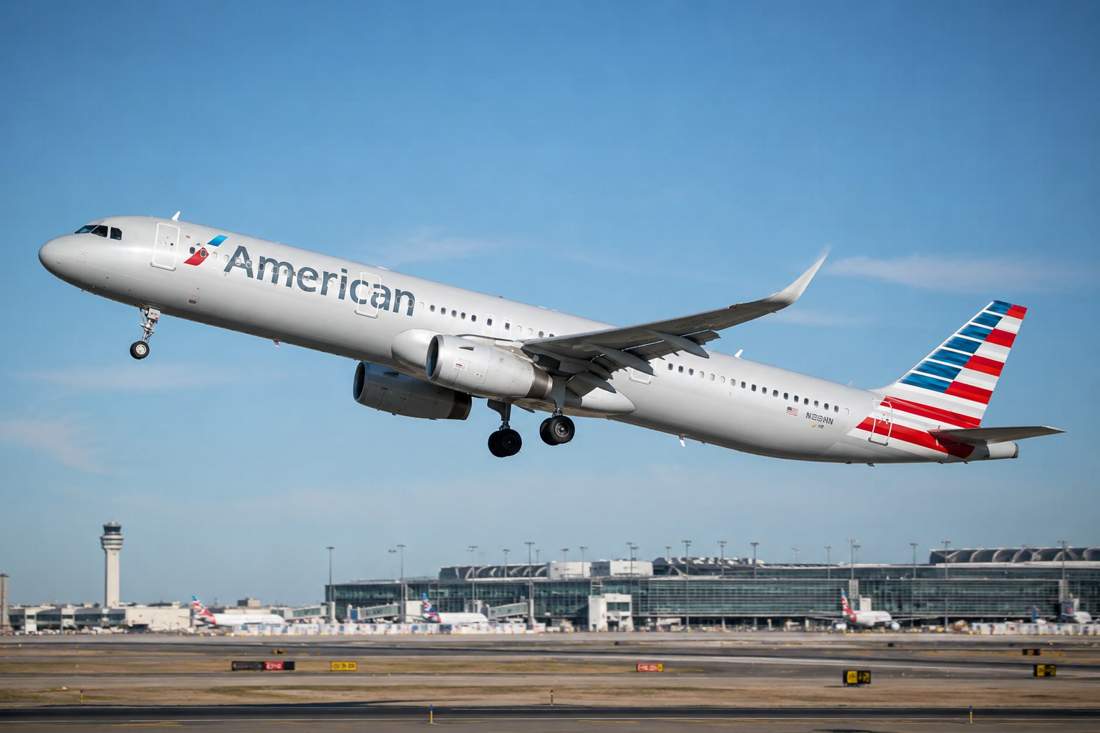
The rollout will cover the airline’s Airbus narrowbody fleet, including incoming A321XLR and A321neo aircraft deliveries, as the company seeks to strengthen its premium travel offering ahead of its centennial celebrations in 2026.
The carrier said the upgrade will provide faster, lower-latency internet access across domestic and short-haul international routes. The service will use Starlink’s Aero Terminal technology, which supports speeds of up to 1 gigabit per second per antenna and is designed to handle streaming, gaming, cloud applications and real-time communication during flights.
The move comes as airlines increasingly compete on onboard digital services, with carriers investing heavily in next-generation satellite connectivity systems to meet growing passenger demand for reliable internet access.
Starlink Technology to Power Fleetwide Modernization
American Airlines said the installation program will begin in early 2027 and eventually span more than 500 aircraft. Newly delivered Airbus A321XLR and A321neo jets will also be equipped with the system as part of the airline’s broader modernization strategy.
Starlink operates through a constellation of thousands of low Earth orbit satellites, which orbit significantly closer to Earth than traditional geostationary satellites used by many existing inflight Wi-Fi systems.
The reduced distance is intended to lower latency and improve responsiveness, particularly for applications such as live video conferencing, collaborative work platforms and online gaming.
Heather Garboden, Chief Customer Officer at American Airlines, said the airline is focused on improving the onboard experience through strategic technology partnerships.
“She noted that adding Starlink positions the carrier as a leader in keeping passengers connected in flight.”
The airline said passengers will be able to stream video, browse the internet, access cloud-based work tools and use communication platforms with fewer interruptions than legacy systems typically experience.
Low Earth Orbit Satellites Aim to Reduce Lag
Traditional inflight internet systems generally rely on satellites positioned roughly 35,000 kilometers above Earth, which can create noticeable delays in data transmission. By comparison, Starlink satellites operate at an altitude of around 550 kilometers.
American Airlines said the lower orbit reduces latency and supports a more seamless onboard internet experience, particularly for business travelers who increasingly expect uninterrupted connectivity during flights.
Garboden added that the new system is intended to eliminate some of the limitations passengers commonly face while traveling.
“She noted that the system removes the need for passengers to download documents before flights or tolerate lag during real-time collaboration.”
The airline said the gate-to-gate functionality will allow connectivity during taxi, takeoff, cruise and landing phases, providing continuous access throughout the journey.
SpaceX Expands Aviation Connectivity Presence
SpaceX, which operates the Starlink satellite network, has been expanding its presence in the commercial aviation sector as airlines seek alternatives to older satellite internet providers.
Jason Fritch, Vice President of Starlink Enterprise Sales at SpaceX, said the partnership would improve onboard connectivity for both passengers and crew.
“He added that the system supports a fully connected experience from gate to gate for both leisure and business travellers.”
The technology is designed to support bandwidth-intensive services that have traditionally been difficult to maintain consistently on aircraft, including live streaming, video conferencing and multiplayer online gaming.
The agreement also reflects broader industry trends as airlines attempt to differentiate themselves through digital passenger services, particularly among premium and business travelers.
American Airlines Marks Centennial Year
American Airlines Group traces its origins to an air mail carrier that began operating in the Midwest in 1926. Today, the company operates more than 6,000 daily flights to over 350 destinations across more than 60 countries.
The airline serves more than 200 million customers annually and employs approximately 130,000 aviation workers worldwide.
American Airlines is preparing to celebrate its 100th anniversary in 2026, a milestone the company says reflects a century of operational growth and innovation.
The Starlink deployment forms part of the airline’s broader effort to modernize its fleet and enhance customer experience as competition intensifies among global carriers seeking to attract high-value travelers.
