


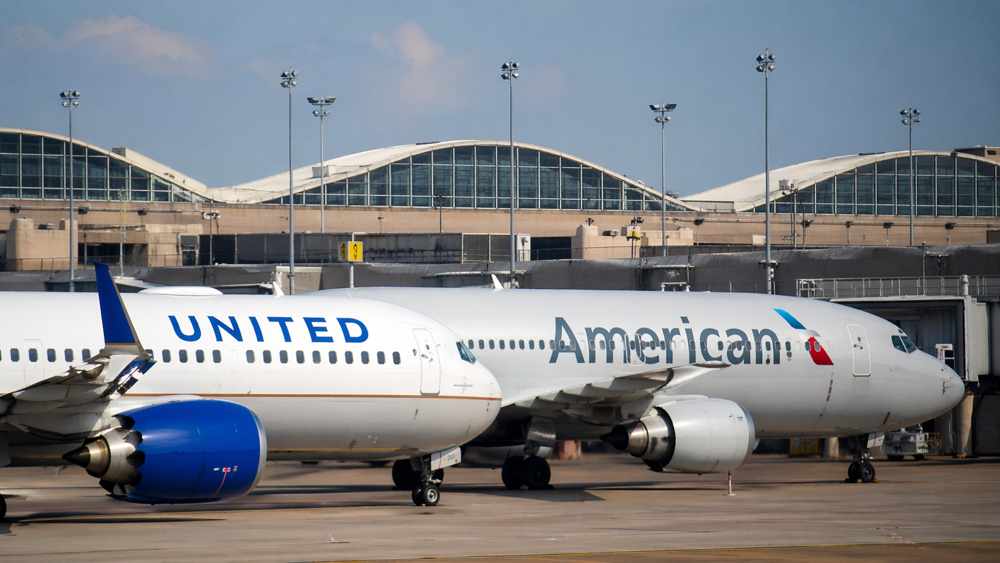
Proposal Sparks Debate Over Competition, Costs, and Global Strategy
CHICAGO — United Airlines CEO Scott Kirby is advancing a controversial proposal to merge with American Airlines, arguing that consolidation could counter what he describes as a significant airline “trade deficit.” The idea, which would create the world’s largest airline by revenue and passenger volume, is drawing skepticism from aviation analysts who question both the premise and the potential outcomes.
Kirby contends that foreign carriers—many supported by state ownership or subsidies—dominate long-haul travel into the United States. He claims they control 65% of long-haul seats into the U.S., despite only 40% of passengers originating from those countries. He frames this imbalance as harmful to U.S. aviation workers and the broader economy.
However, critics argue that the challenges facing U.S. airlines are more complex and not easily solved through consolidation. Analysts point to higher labor costs, weaker premium products, and longstanding strategic decisions to outsource international flying as key structural disadvantages.
Kirby’s Vision of a “Global Champion”
During an April 22, 2026, interview with CNBC, Kirby outlined his ambition to build what he called “a truly competitive global airline.” While he did not present a detailed merger plan, he made clear that consolidation is central to his strategy.
By invoking the concept of a “trade deficit,” Kirby aligns his proposal with broader economic themes seen in recent U.S. policy discourse, particularly those associated with the “America First” agenda. His vision echoes the “national champion” model seen internationally, where dominant carriers represent their home countries on the global stage.
Examples include Singapore Airlines, Emirates, and Qatar Airways—all of which benefit from strong government backing and global brand positioning.
Reports from February 2026 indicated that Kirby had privately floated the idea of combining United and American, a move that would surpass rivals like Delta Air Lines in scale.
Structural Challenges Facing U.S. Airlines
Industry experts caution that foreign dominance in long-haul markets stems less from unfair competition and more from fundamental differences in cost structures and service quality.
U.S. airline pilots, particularly wide-body captains, can earn upwards of $400,000 annually, significantly increasing operating costs compared to airlines based in Asia or the Middle East. This labor gap places U.S. carriers at a competitive disadvantage.
Service quality is another factor. Airlines such as All Nippon Airways and Qatar Airways consistently rank above U.S. carriers in global passenger satisfaction. Analysts attribute this to stronger cultural emphasis on hospitality and greater investment in onboard products, rather than market distortion.
Additionally, U.S. airlines have strategically partnered with foreign carriers through joint ventures. For example, Delta has deep partnerships with Aeromexico, LATAM Airlines, and Virgin Atlantic. These arrangements allow revenue sharing while outsourcing operational flying, often boosting profitability without expanding domestic airline capacity.
Doubts Over Merger Effectiveness
Analysts argue that merging United and American would not significantly increase the number of long-haul flights operated by U.S. carriers. Instead, the combined airline would likely reduce overlapping routes and streamline fleets, potentially shrinking total capacity.
The global airline market is currently structured around three major alliances: Star Alliance, SkyTeam, and Oneworld. United leads Star Alliance, while American anchors Oneworld. A merger would disrupt this balance, potentially weakening one alliance and ceding more market share to foreign competitors rather than reclaiming it.
Domestically, consolidation raises additional concerns. The U.S. aviation market relies on competition among multiple large carriers to keep fares in check and maintain service quality. Reducing the number of major airlines could lead to higher ticket prices, fewer route options, and diminished incentives for innovation.
Political Context and Strategic Timing
Industry observers suggest that Kirby’s proposal may be as much about regulatory positioning as it is about long-term strategy. By framing the merger as a patriotic response to a national economic issue, United could gain political support for a deal that would otherwise face strong antitrust resistance.
The timing is notable. The current administration has shown openness to intervention in aviation markets, including reported discussions about taking a stake in Spirit Airlines. This environment may provide a rare अवसर for large-scale consolidation proposals to gain traction.
Industry प्रतिक्रिया and Outlook
Critics maintain that the focus should remain on improving competitiveness through better service, cost management, and passenger protections rather than reducing competition. They argue that structural reforms—not consolidation—are the key to closing the gap with international carriers.
As debate continues, Kirby’s proposal has ignited broader discussion about the future of U.S. aviation and its place in the global market. Whether the idea gains regulatory or political momentum remains uncertain, but it has already reshaped conversations around competition and strategy in the industry.
