


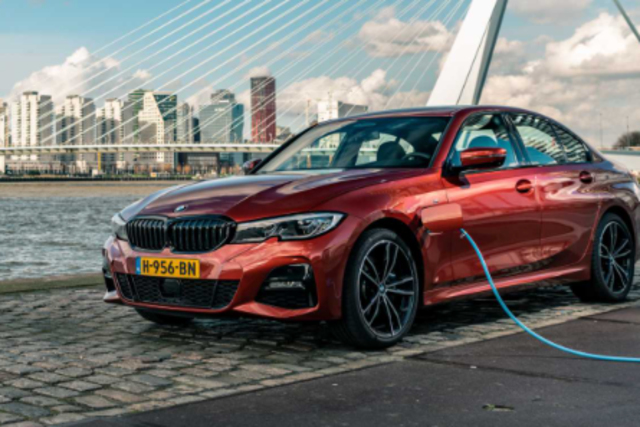
A study conducted in Switzerland at the request of the canton of Valais indicates that plug-in hybrid models consume (and export) much more than WLTP consumption figures indicate.
The results of the study are not surprising because many large and powerful PHEV models promise results of a consumption of less than 2.5 liters per 100 km, which is a fairy tale that is not very realistic, as it turns out. Based on the disappointing results, the Swiss region decided to cancel the tax advantages enjoyed by these vehicles. This is not the first time this type of vehicle has come under fire. The discussion has already forced manufacturers to increase the battery capacity so that cars can cover more kilometers with pure electricity. However, not all flaws seem to have been brushed aside today.
Electric hybrid vehicles contain a conventional combustion engine, electric motor and battery. The vehicle is multifunctional and can run on fuel, pure electric or a serial hybrid where the electric motor helps the combustion engine start and accelerate to reduce fuel consumption. Depending on the type, they have enough battery capacity to cover 50 to 100 kilometers in purely electric mode.
up to
The fact is that dual drive significantly increases the weight of vehicles. When it is 100% electric, it must bear the weight of the combustion engine, and when the heat engine is running, it weighs the electric motor, including the battery. In short, far from ideal. Since cars are allowed to charge their batteries up to twice during a WLTP test cycle of more than 100 km, the WLPT consumption figure remains extremely low.
In addition, the electric consumption (which is much higher per 100 km compared to a 100% electric car) is not taken into account. PHEVs are only relatively economical if the user recharges them frequently and consistently. In practice, this is not always possible, which means that some users are particularly happy with exceptionally low CO2 values (and the associated tax benefits), but often charge less accurate fees.
On the other hand, these models also offer advantages, because they have great autonomy and can drive without emissions in the city, for example. Many BMW PHEVs even automatically switch to EV mode when entering a city (eDrive zone). The car knows this based on the map data.
The results of the study are not surprising because many large and powerful PHEV models promise results of a consumption of less than 2.5 liters per 100 km, which is a fairy tale that is not very realistic, as it turns out. Based on the disappointing results, the Swiss region decided to cancel the tax advantages enjoyed by these vehicles. This is not the first time this type of vehicle has come under fire. The discussion has already forced manufacturers to increase the battery capacity so that cars can cover more kilometers with pure electricity. However, not all flaws seem to have been brushed aside today. Electric hybrid vehicles contain a conventional combustion engine, electric motor and battery. The vehicle is multifunctional and can run on fuel, pure electric or a serial hybrid where the electric motor helps the combustion engine start and accelerate to reduce fuel consumption. Depending on the type, they have enough battery capacity to cover 50 to 100 kilometers in purely electric mode. The fact is that dual drive significantly increases the weight of vehicles. When it is 100% electric, it must bear the weight of the combustion engine, and when the heat engine is running, it weighs the electric motor, including the battery. In short, far from ideal. Since cars are allowed to charge their batteries up to twice during a WLTP test cycle of more than 100 km, the WLPT consumption figure remains extremely low. In addition, the electric consumption (which is much higher per 100 km compared to a 100% electric car) is not taken into account. PHEVs are only relatively economical if the user recharges them frequently and consistently. In practice, this is not always possible, which means that some users are particularly happy with exceptionally low CO2 values (and the associated tax benefits), but often charge less accurate fees. On the other hand, these models also offer advantages, because they have great autonomy and can drive without emissions in the city, for example. Many BMW PHEVs even automatically switch to EV mode when entering a city (eDrive zone). The car knows this based on the map data.
