


New Direct Service Signals Strategic Push Into Underserved Markets
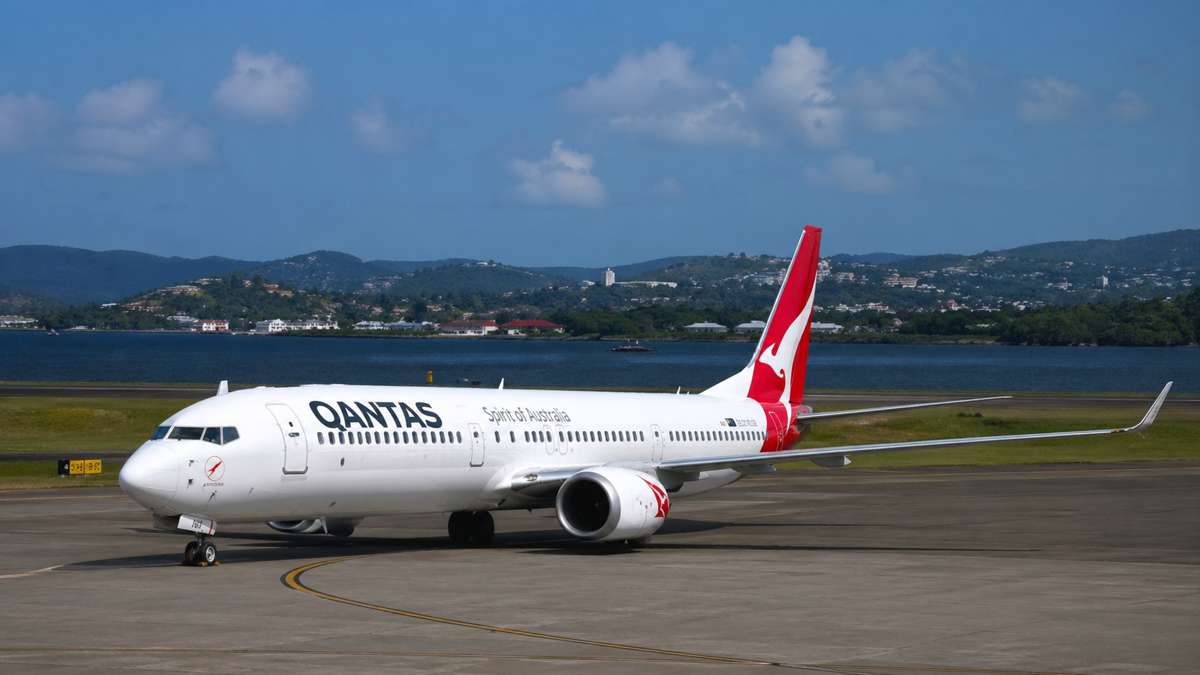
AUCKLAND — Qantas is expanding its trans-Tasman operations with the launch of a new international route connecting Auckland and Apia, a move aimed at strengthening regional connectivity and tapping growing demand for Pacific travel.
The airline confirmed it will begin operating three weekly Boeing 737 services between Auckland Airport and Faleolo International Airport in Apia starting June 16. The year-round service marks a notable milestone as Qantas’ first direct international route from New Zealand to a Pacific Island destination.
The flights are designed to serve both leisure travelers and passengers visiting friends and relatives, a key segment in Pacific aviation markets.
Flight Schedule Designed for Connectivity and Convenience
The Auckland–Apia route will operate on a consistent weekly schedule, providing passengers with multiple travel options. Outbound flights, designated QF145, will depart Auckland at 5:55 PM on Tuesdays, Thursdays, and Sundays, arriving in Apia at 10:45 PM local time.
Return services, operating as QF144, will leave Apia at 6:40 AM on Mondays, Wednesdays, and Fridays, arriving in Auckland at 9:55 AM. The morning arrival time is structured to facilitate onward connections, particularly to Sydney and other major Australian destinations.
The schedule reflects a deliberate effort to minimize travel friction while maximizing network integration across Qantas’ broader trans-Tasman operations.
Leveraging Existing Capacity for Network Growth
Qantas stated that the new route builds on its established Sydney–Auckland services, allowing the airline to extend its reach without requiring significant additional infrastructure. By leveraging existing capacity, the carrier is able to enter a new market efficiently while maintaining operational flexibility.
Company representatives indicated that the route improves accessibility to Samoa for New Zealand-based travelers, eliminating the need for indirect itineraries that often require transit through Australia.
The move aligns with a broader industry trend in which airlines are targeting underserved regional routes to capture incremental demand and diversify revenue streams.
Reduced Travel Complexity Expected to Drive Demand
The introduction of direct flights between Auckland and Apia is expected to significantly reduce travel time and simplify journey planning for passengers. Historically, travelers between the two destinations have relied on indirect routes, adding both time and cost.
Qantas emphasized that the service will support tourism growth while also reinforcing cultural and economic ties between New Zealand and Samoa. Increased seat capacity and frequency are likely to stimulate both inbound and outbound travel.
The airline also addressed operational considerations, noting that it does not anticipate fuel supply constraints affecting the reliability of the new service—an important assurance given ongoing logistical challenges in smaller Pacific markets.
Samoa Positions Itself as a Premium Escape Destination
The new route comes as Samoa gains visibility as a high-value travel destination, appealing to travelers seeking remoteness and cultural authenticity. Located deep in the South Pacific, the island nation offers a distinct contrast to more commercialized पर्यटन hubs.
Recent developments in the hospitality sector are reinforcing this positioning. The opening of Moanalei Villas above Apia Harbour introduces a premium accommodation option that blends modern luxury with local identity. The boutique property features private villas with infinity pools, panoramic views, and strong integration of Samoan cultural elements.
Developed over eight years, the project reflects a broader push within Samoa to attract higher-spending travelers while preserving its traditional character.
Tourism Strategy Balances Growth and Authenticity
Samoa’s tourism model emphasizes controlled growth, focusing on quality over volume. Experiences such as the To Sua Ocean Trench, traditional fale stays, and village-based cultural activities remain central to its appeal.
The country’s relative inaccessibility—requiring multiple long-haul flights for most international visitors—has helped maintain its exclusivity. This barrier to entry is increasingly viewed as a competitive advantage in a travel market where authenticity is in high demand.
Industry observers note that developments like Moanalei Villas demonstrate how Samoa is evolving its tourism infrastructure without compromising its cultural foundations.
A Strategic Addition to Qantas’ Pacific Portfolio
For Qantas, the Auckland–Apia route represents a targeted expansion within the Pacific, reinforcing its presence in niche but growing travel corridors. The airline is positioning itself to benefit from rising interest in experiential and culturally immersive destinations.
With steady demand, efficient scheduling, and reduced travel barriers, the new service is expected to become an important link in the carrier’s regional network.
As airlines continue to refine post-pandemic strategies, routes like Auckland–Apia highlight a shift toward precision expansion—focusing on connectivity, convenience, and emerging traveler preferences.
