


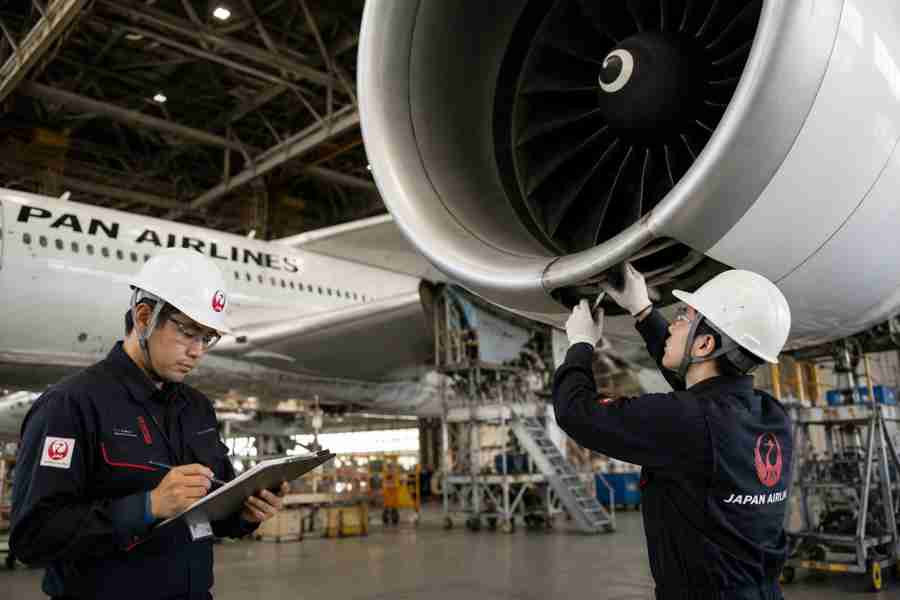
Japan Airlines Offers Competitive Engineering Careers as Demand for Skilled Aviation Professionals Continues
Japan Airlines (JAL), one of Asia’s most respected full-service carriers, continues to offer attractive career opportunities for Aircraft Maintenance Engineers (AMEs) and Aircraft Maintenance Technicians in 2026. As the airline expands and modernizes its operations with advanced aircraft such as the Airbus A350 and Boeing 787 Dreamliner, the role of aviation maintenance professionals remains critical to ensuring safety, reliability, and operational efficiency.
Headquartered in Tokyo, Japan Airlines operates an extensive domestic and international network and has built a global reputation for punctuality, engineering excellence, and stringent safety standards. Behind the airline’s customer-facing success is a large team of highly trained maintenance personnel responsible for keeping aircraft airworthy and compliant with regulatory requirements.
For aviation professionals seeking long-term career growth, exposure to cutting-edge aircraft technology, and a structured work environment, JAL remains one of the most sought-after employers in the aviation engineering sector.
The Critical Role of Aircraft Maintenance Engineers and Technicians
Although Aircraft Maintenance Engineers and Technicians often work side by side, their responsibilities differ significantly.
Aircraft Maintenance Engineers Hold Certification Authority
Aircraft Maintenance Engineers are licensed professionals authorized to certify maintenance work and approve aircraft for return to service. Their responsibilities extend beyond technical repairs and include oversight, compliance, and safety management.
Key duties typically include:
- Planning and supervising maintenance activities
- Diagnosing mechanical and avionics-related faults
- Reviewing inspection findings and technical records
- Managing maintenance teams during major inspections
- Certifying aircraft before commercial operations resume
Because they carry certification authority, AMEs bear significant responsibility for aircraft airworthiness and regulatory compliance.
Technicians Perform Hands-On Maintenance Tasks
Aircraft Maintenance Technicians focus primarily on the practical aspects of aircraft maintenance. They perform inspections, repairs, and component replacements that ensure aircraft remain operational and safe.
Common responsibilities include:
- Replacing worn or damaged aircraft components
- Conducting scheduled maintenance inspections
- Servicing hydraulic, electrical, and mechanical systems
- Assisting engineers with troubleshooting procedures
- Maintaining maintenance tools and documentation
Many technicians use the role as a stepping stone toward obtaining professional licenses and advancing into engineering positions.
High Recruitment Standards Reflect Industry Expectations
Japan Airlines maintains rigorous hiring standards that reflect the precision-driven culture of Japanese aviation.
Basic Qualifications
Candidates typically require:
- A diploma or degree in aircraft maintenance or aerospace engineering
- Strong technical knowledge of aircraft systems
- The ability to work rotating and overnight shifts
- Effective communication and teamwork skills
- A commitment to safety and quality standards
For Aircraft Maintenance Engineers, employers generally expect a recognized maintenance license issued by the relevant aviation authority, along with experience on commercial aircraft. Additional qualifications such as type ratings on the Boeing 787 or Airbus A350 can significantly enhance career prospects.
Technicians are usually expected to possess vocational or technical training in aircraft maintenance and demonstrate strong mechanical aptitude. Prior airline or maintenance experience is often preferred.
Japan Airlines AME Salary in 2026
Compensation for licensed Aircraft Maintenance Engineers reflects both the high level of responsibility associated with the role and Japan’s skilled labor market.
Entry-level licensed engineers typically earn between ¥7.5 million and ¥9.5 million annually, equivalent to approximately US$50,000 to US$63,000. At this stage, engineers are generally fully qualified but continue building experience across different aircraft fleets.
As engineers gain additional certifications and aircraft type ratings, annual compensation often increases to between ¥10 million and ¥13 million (approximately US$67,000 to US$87,000). These professionals frequently oversee more complex maintenance activities and carry expanded certification responsibilities.
Senior certifying engineers, technical specialists, and maintenance supervisors can earn between ¥14 million and ¥17 million annually, or roughly US$93,000 to US$113,000. Performance bonuses and shift-related allowances may further increase total compensation.
Overall, Aircraft Maintenance Engineers at Japan Airlines can expect annual earnings ranging from approximately ¥7.5 million to ¥17 million depending on qualifications, experience, and position.
Technician Salary Range Remains Competitive
Aircraft Maintenance Technicians follow a separate salary structure but continue to enjoy competitive compensation within Japan’s aviation industry.
Entry-level technicians commonly earn between ¥3.8 million and ¥5 million per year, equivalent to approximately US$25,000 to US$33,000.
With several years of airline maintenance experience, technicians often advance into salary ranges between ¥5.5 million and ¥7 million annually, or approximately US$37,000 to US$47,000.
Experienced technicians with specialist expertise, leadership responsibilities, or involvement in advanced fleet programs may earn between ¥7.5 million and ¥9 million annually, equivalent to roughly US$50,000 to US$60,000.
Salary Summary
Aircraft Maintenance Engineers (AMEs):
- ¥7.5 million to ¥17 million annually
- Approximately US$50,000 to US$113,000
Aircraft Maintenance Technicians:
- ¥3.8 million to ¥9 million annually
- Approximately US$25,000 to US$60,000
Industry experts note that obtaining a maintenance license remains the most effective path for technicians seeking higher earning potential and greater career responsibility.
Benefits Extend Beyond Base Pay
In addition to salary, Japan Airlines offers a comprehensive benefits package designed to support long-term employee retention and professional development.
Benefits commonly include:
- Staff travel privileges and discounted airfare
- Comprehensive health and welfare programs
- Retirement and pension plans
- Annual performance bonuses
- Technical training and professional development opportunities
- Experience working on modern Airbus and Boeing fleets
- Structured career progression pathways
These benefits contribute significantly to the overall value of employment at the airline.
Outlook for Aviation Engineering Careers at JAL
As global air travel demand continues to recover and airlines invest in newer aircraft technologies, maintenance professionals remain essential to airline operations. Japan Airlines’ emphasis on safety, precision, and operational excellence continues to create opportunities for skilled engineers and technicians seeking stable and rewarding careers.
Licensed engineers command the highest salaries due to their certification authority and responsibility for aircraft airworthiness. Meanwhile, technicians play a foundational role in daily maintenance operations and often use their experience to progress toward engineering certification.
For aviation professionals looking to build a long-term career in a technically advanced environment, Japan Airlines remains one of Asia’s leading employers in aircraft maintenance and engineering.
