


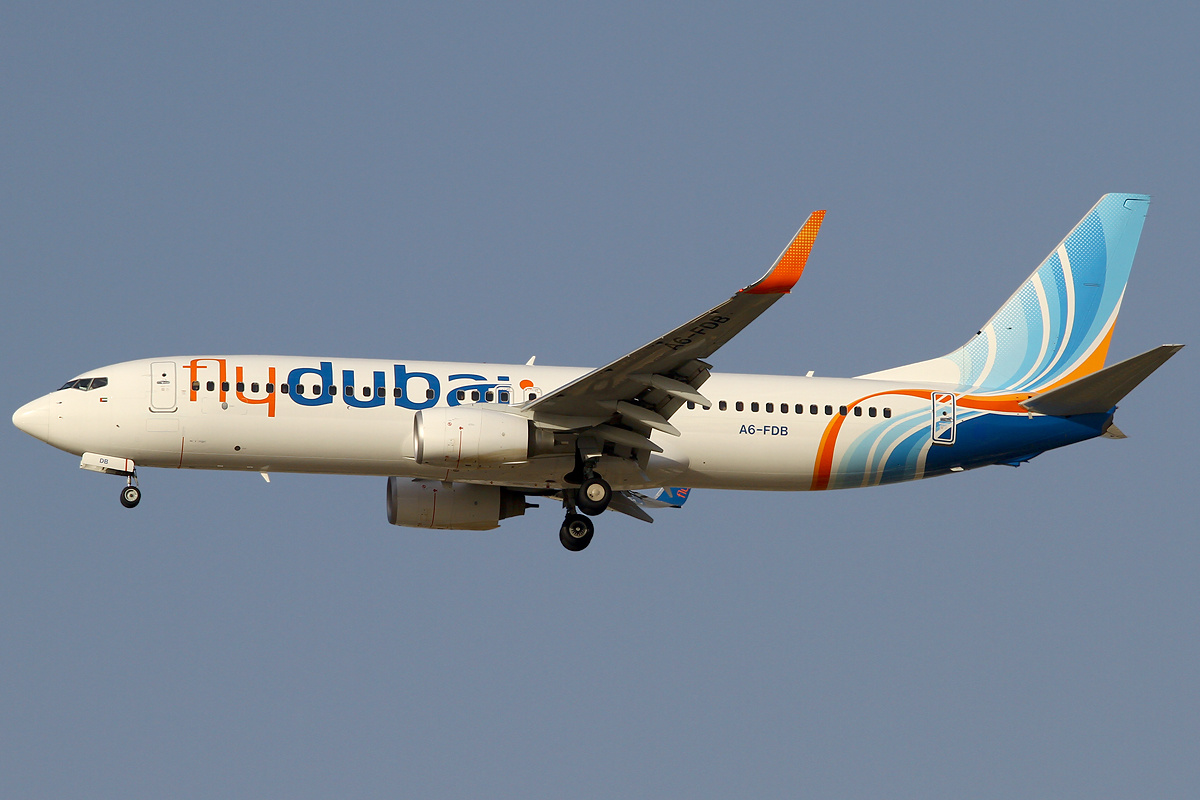
Dubai, UAE — Low-cost carrier flydubai has strengthened its fleet with the delivery of seven new aircraft this year, underscoring the airline’s growth strategy as it looks to expand its network and enhance operational efficiency. An additional five Boeing 737 MAX 8s are expected to arrive before the end of 2025, bringing the total fleet size to 95 aircraft.
The seven aircraft, delivered between April and August 2025, bring flydubai’s current fleet to 93 aircraft. By year-end, the carrier’s fleet expansion will total 12 aircraft, though executives noted that deliveries are still trailing earlier projections.
Expanding Despite Past Delays
Flydubai Chief Executive Officer Ghaith Al Ghaith framed the deliveries as a milestone for the airline’s long-term plans.
“The arrival of these new aircraft is a testament to our long-term strategic vision and our confidence in the future of air travel,” Al Ghaith said.
He added that the investments are central to improving the passenger experience.
“Our fleet investment supports our mission to offer greater choice, enhanced convenience and improved connectivity for our passengers. These deliveries are part of a backlog extensively delayed in recent years, and despite receiving 12 aircraft this year, we remain 20 aircraft behind our original projections.”
Like many airlines, flydubai has faced delivery setbacks stemming from production slowdowns and supply chain disruptions in the wake of the pandemic and Boeing’s well-documented challenges with its 737 MAX program.
Financing the Fleet
The acquisition of the seven aircraft was supported through a mix of Islamic and conventional financing. Abu Dhabi Islamic Bank (ADIB) provided Sharia-compliant funding, while The National Bank of Ras Al Khaimah (RAKBANK) offered conventional debt financing.
In addition, sale and leaseback agreements were arranged with JP Lease Products & Services Co., Ltd (JLPS) and JLPS Ireland Limited, diversifying the airline’s funding sources. Such financing structures are common in aviation as carriers balance liquidity needs with long-term capital commitments.
Strategic Growth
The fleet expansion aligns with flydubai’s broader ambitions to solidify its position as a key regional connector and a competitive force in the Middle East’s aviation sector. With Dubai as its hub, the airline operates an extensive network that covers underserved markets and complements the global reach of Emirates, its codeshare partner.
The additional aircraft will help flydubai increase frequency on existing routes and explore opportunities to add new destinations. This is particularly critical as demand for travel across the Gulf and South Asia continues to climb, bolstered by strong economic growth and a rebound in tourism.
The airline is also preparing for future operational efficiencies. Earlier this year, flydubai broke ground on a new maintenance, repair, and overhaul (MRO) facility at Dubai South, designed to reduce reliance on third-party providers and support the long-term sustainability of its growing fleet.
Regional and Global Context
Flydubai’s expansion comes amid a surge of investment by Gulf carriers. Emirates, Qatar Airways, and Saudia have each announced large-scale fleet modernization plans, while low-cost competitors such as Air Arabia are also scaling operations. The Middle East’s aviation market is one of the fastest-growing globally, driven by strategic geography, government support, and resilient passenger demand.
For flydubai, the challenge remains balancing rapid growth with operational stability, particularly as it works through its backlog of delayed aircraft deliveries. Nonetheless, analysts say the airline’s diversified financing approach and disciplined fleet planning put it in a strong position to capitalize on market opportunities.
Looking Forward
By year-end, flydubai’s fleet will total 95 aircraft—an achievement that highlights both progress and the lingering impact of earlier delays. With 20 aircraft still outstanding from its original projections, the airline will continue to rely on close coordination with Boeing and its financing partners to align delivery schedules with strategic goals.
Despite these hurdles, Al Ghaith remains confident. The airline’s focus on expanding connectivity, improving the passenger journey, and investing in operational infrastructure points to an ambitious roadmap for the years ahead.
