


Ottawa Advances Air Mobility Modernization with Major Contracts
OTTAWA — Canada has awarded defense contracts worth approximately C$1.5 billion to L3Harris Technologies and Airbus SE to support its next-generation military aircraft fleet, underscoring a significant step forward in the country’s long-term defense modernization strategy.
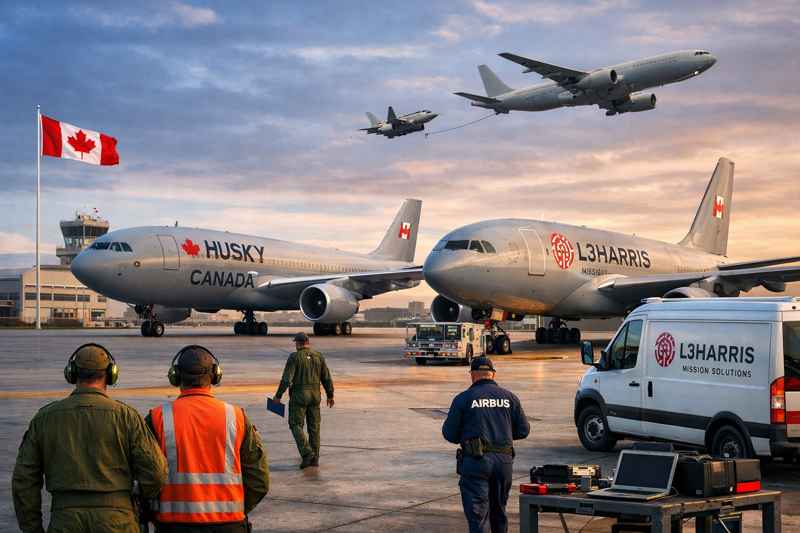
The agreements center on sustaining and upgrading Canada’s forthcoming CC-330 Husky fleet, a multi-role aircraft platform designed to enhance air mobility, refueling, and mission flexibility. The contracts reflect Ottawa’s broader effort to strengthen operational readiness while aligning with evolving NATO commitments.
Contract Breakdown and Scope
The Canadian government divided the contracts between the two aerospace firms, assigning maintenance and engineering responsibilities critical to the fleet’s lifecycle.
L3Harris secured the larger share, with agreements valued at about C$1.1 billion to provide comprehensive maintenance and in-service support. The company will be responsible for ensuring the fleet remains operationally ready through ongoing servicing, repairs, and logistics coordination.
Airbus, meanwhile, received a separate contract worth approximately C$374 million to deliver engineering services and oversee airworthiness compliance. Its role will include technical oversight, system modernization, and ensuring the aircraft meet stringent safety and regulatory standards over time.
These agreements are tied directly to Canada’s CC-330 Husky program, which represents a cornerstone of the country’s future air capabilities.
CC-330 Husky Program Details
The CC-330 Husky fleet is based on the Airbus A330 Multi Role Tanker Transport platform, a proven aircraft used by multiple allied nations. The platform is designed for versatility, supporting missions ranging from air-to-air refueling and troop transport to medical evacuation and strategic operations.
Canada plans to acquire a total of nine aircraft under the program. This includes four newly built A330 MRTT aircraft and five converted A330-200 units.
The Husky fleet will replace the aging CC-150 Polaris aircraft, which have been in service for several decades. The transition is expected to begin with the first delivery in 2027, marking the start of a phased rollout.
Strategic and Economic Impact
The contract awards come as Canada accelerates defense spending to meet and exceed NATO benchmarks. The country reached its target of allocating 2 percent of GDP to defense in 2025 and has outlined plans to increase that figure to 5 percent by 2035.
This sustained investment is expected to create long-term opportunities for aerospace and defense contractors while strengthening domestic industrial capacity.
Officials estimate the contracts will support approximately 720 jobs across key provinces, including Ontario, Quebec, and Alberta. These positions will span engineering, maintenance, and technical support roles, contributing to regional economic growth.
Strengthening Global Readiness
The Husky program highlights how Canada’s procurement initiatives are translating into tangible operational and industrial outcomes. By modernizing its air mobility fleet, the country aims to enhance its ability to respond to global security challenges and support allied missions.
Ottawa has increasingly emphasized interoperability with partner nations, and the adoption of the A330 MRTT platform aligns Canada with several NATO allies already operating similar aircraft.
In addition to boosting international cooperation, the investment strengthens domestic readiness, ensuring Canada can respond more effectively to emergencies, humanitarian missions, and defense requirements at home and abroad.
A Long-Term Defense Commitment
The C$1.5 billion contract awards signal a broader shift toward sustained, long-term defense planning in Canada. With the Husky fleet expected to remain in service for decades, the agreements with L3Harris and Airbus establish a foundation for ongoing modernization and support.
As global security dynamics continue to evolve, Canada’s investment in advanced aviation capabilities positions it to play a more active role in international defense operations while maintaining a robust domestic defense posture.
