


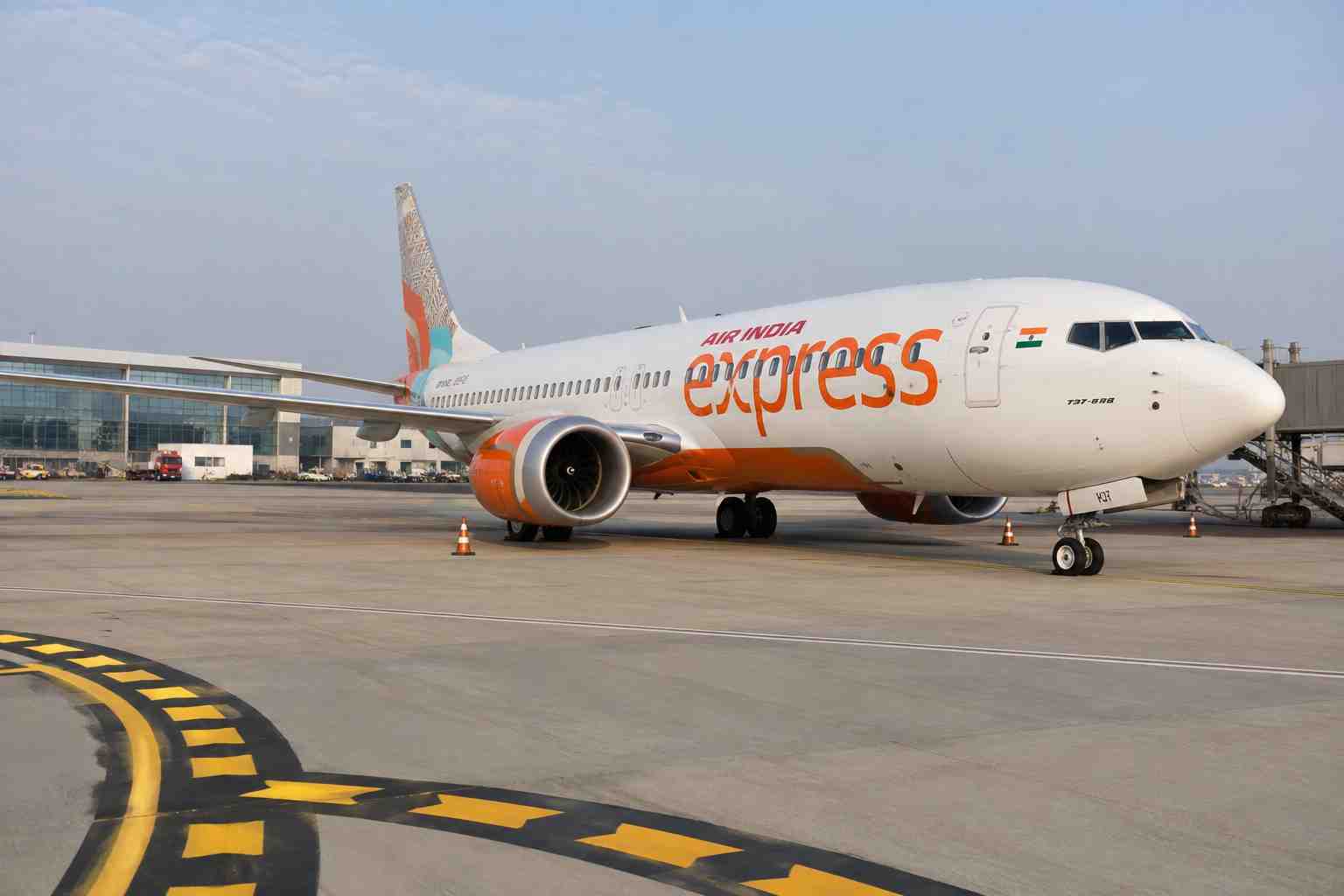
Air India Express is evaluating the launch of nonstop flights to Tbilisi, Georgia, as part of a broader strategy to expand its international footprint and enter new markets beyond its traditional focus areas in the Gulf and Southeast Asia.
The proposed service to Tbilisi International Airport would represent a significant milestone for the Tata Group-owned airline, marking its first foray into Europe. The move comes as the carrier continues to expand rapidly following its integration into the Tata aviation portfolio and seeks new opportunities in emerging leisure and visiting-friends-and-relatives travel markets.
Industry sources indicate that Georgia is under serious consideration for inclusion in the airline’s upcoming winter schedule, although Air India Express has not formally announced the route.
Eastern Europe Emerges as a Potential Growth Market
Diversification Beyond Gulf and Southeast Asia
For years, Air India Express has concentrated much of its international network on destinations across the Gulf region and Southeast Asia, serving strong demand from Indian expatriates, business travelers, and leisure passengers.
The potential addition of Tbilisi signals a strategic shift toward greater geographic diversification. Georgia has gained popularity among Indian travelers in recent years due to its tourism offerings, simplified visa processes, and growing air connectivity with South Asia.
By evaluating direct service to Tbilisi, Air India Express appears to be targeting a market that remains relatively underserved while creating new travel options for Indian passengers seeking destinations in Eastern Europe.
The airline’s exploration of the route aligns with its longer-term objective of building one of India’s largest short-haul international networks and strengthening its presence in leisure-focused travel markets.
Continued Focus on Established International Regions
While exploring opportunities in Europe, Air India Express remains committed to strengthening its core international markets.
The carrier has restored nearly 80% of its operations across West Asia and currently serves 13 destinations in the Gulf region. The area continues to be one of the airline’s most important international markets, supported by strong demand for travel between India and Gulf countries.
Southeast Asia also remains a major focus area. Following recent route additions to Bangkok and Phuket, the airline is evaluating further expansion opportunities in Malaysia as it seeks to deepen connectivity across the region.
Expanding Network and Fleet Support Growth Ambitions
Air India Express currently operates a network spanning 43 domestic and 16 international destinations, connecting travelers across South Asia, Southeast Asia, and West Asia.
The addition of Georgia would further broaden the airline’s international reach and support its strategy of developing a more diversified route network.
On the domestic front, the carrier plans to continue expanding within India. Management is targeting the addition of at least five new stations during 2026 as part of efforts to improve connectivity and strengthen its presence in key regional markets.
The airline’s growth strategy is being supported by significant fleet expansion. Air India Express recently surpassed the milestone of operating more than 100 aircraft, with nearly two-thirds of the fleet consisting of new-generation aircraft designed to improve efficiency and passenger experience.
Since becoming part of the Tata Group in 2022, the airline has experienced substantial growth. Capacity has nearly doubled, market share has tripled, and passenger traffic has increased by more than 25% year over year, reflecting strong demand and continued network development.
Long-Term Vision Targets Larger Market Share
Building Toward a 300-Aircraft Fleet
Alongside network growth, Air India Express has focused on enhancing its operations and customer offering.
The airline recently received a 4-Star rating from Skytrax during its first audit, an achievement that highlights operational and service improvements implemented during its transformation under Tata Group ownership.
Originally founded as a regional carrier based in Kochi, Air India Express has evolved into a nationwide and international airline serving a rapidly expanding customer base across multiple markets.
Its business model seeks to bridge the gap between traditional low-cost carriers and full-service airlines by offering passengers greater flexibility while maintaining competitive fares.
Looking ahead, the carrier has outlined ambitious growth targets. Air India Express aims to secure a 25% share of India’s domestic aviation market by fiscal year 2031.
To support that objective, the airline plans to expand its fleet to approximately 300 aircraft, tripling its current scale and positioning itself for sustained growth across both domestic and international markets. As the carrier evaluates new destinations such as Tbilisi, its expansion strategy underscores the increasingly important role it intends to play in India’s rapidly growing aviation sector.
