


Cabin Overhaul Signals Shift in Long-Haul Narrowbody Competition
HAMBURG — Air Canada has unveiled a new premium cabin concept for its incoming Airbus A321XLR fleet, marking a significant step in the airline’s strategy to expand long-haul narrowbody operations while enhancing passenger comfort.
The announcement, made at Aircraft Interiors Expo 2026, highlights a collaboration with Collins Aerospace to introduce upgraded seating across both business and economy cabins. The initiative reflects a broader effort to modernize the airline’s fleet and compete more aggressively on transatlantic and other long-range routes traditionally served by widebody aircraft.
The rollout is expected to begin from Toronto, positioning the carrier to capture demand in “long thin” markets—routes with steady demand but insufficient volume for larger aircraft.
Aurora Suites Bring Lie-Flat Comfort to Single-Aisle Aircraft
Business Class Redefined on Narrowbody Jets
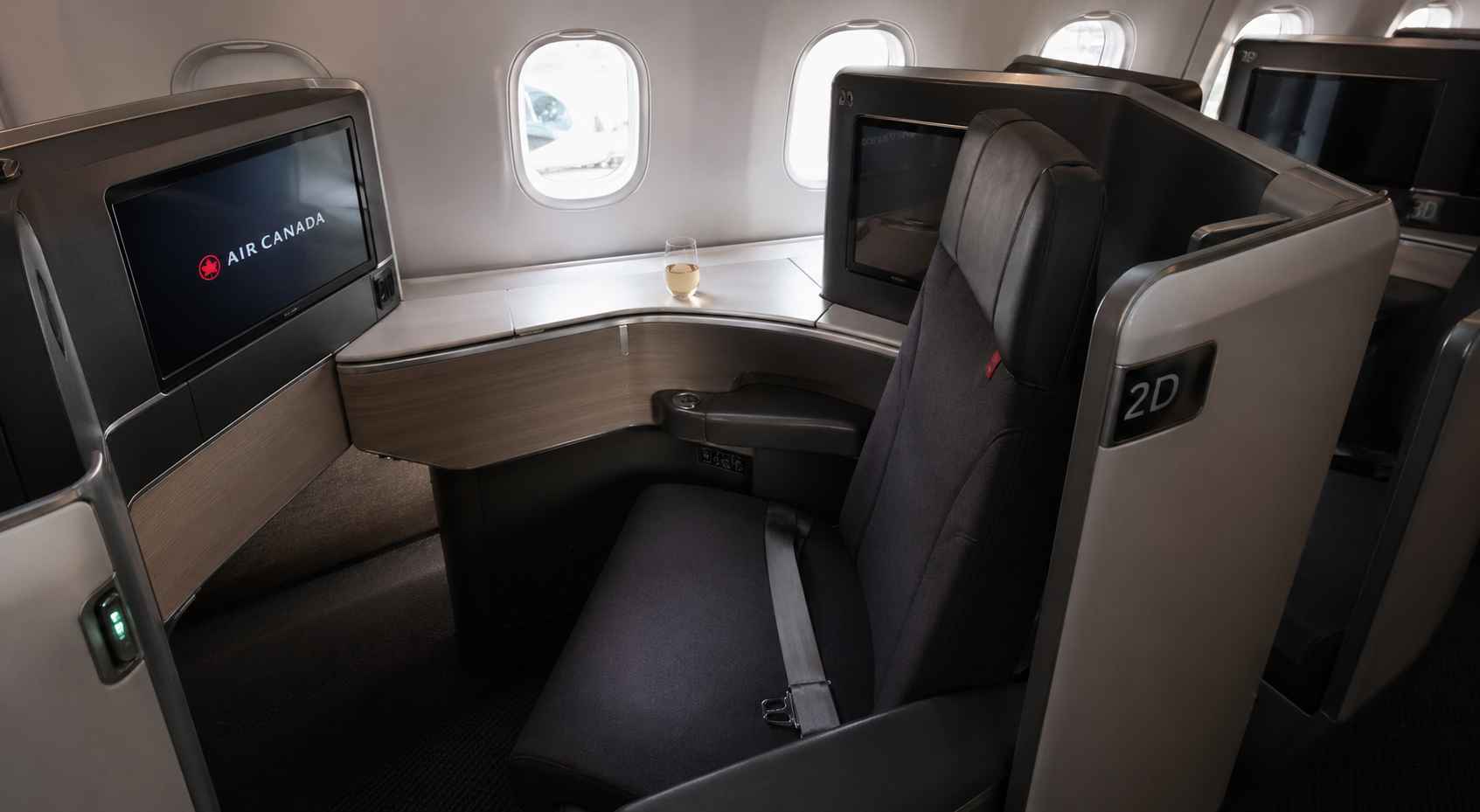
At the center of the cabin redesign is the introduction of the Aurora business class suite, marking the first time Air Canada will offer lie-flat seating on a single-aisle aircraft.
Each A321XLR will feature 14 Aurora Suites designed to replicate the comfort typically associated with widebody cabins. The suites prioritize privacy and sleeping comfort without incorporating full-height doors. Instead, the design uses seat geometry and a redesigned outer shell to create a more spacious environment while maintaining efficient cabin flow.
The configuration allows for increased legroom and a longer bed, addressing a key limitation of traditional narrowbody premium seating. Additional onboard technology includes 19-inch 4K OLED entertainment screens, Bluetooth audio connectivity, multiple charging options, and a secondary low-light display aimed at improving usability during overnight flights.
These features are intended to support both business and leisure travelers on extended routes, where productivity and rest are equally important.
Economy Cabin Receives Significant Upgrades
Enhanced Comfort for Long-Haul Missions
Air Canada is also upgrading its economy cabin with 168 next-generation Meridian+ seats. The redesigned seats use a contoured structure to maximize personal space, particularly around high-contact areas such as knees and elbows.
Passengers in economy will have access to 13-inch 4K entertainment screens, along with USB-C charging ports, AC power outlets, and improved storage options integrated into the seat design.
These upgrades are particularly relevant as the A321XLR is expected to operate longer routes, including transatlantic flights, where passenger comfort plays a critical role in airline choice. The improvements reflect an industry-wide shift as airlines increasingly deploy narrowbody aircraft on extended missions.
A321XLR to Anchor Network Expansion Strategy
Unlocking New Transatlantic Routes
The A321XLR is set to play a central role in Air Canada’s network strategy, enabling the airline to operate long-haul routes with lower operating costs and more flexible capacity.
With a range of up to 4,700 nautical miles, the aircraft will allow nonstop service from Toronto and Montreal to destinations such as Berlin, Toulouse, and Edinburgh. These routes were previously difficult to sustain using larger widebody aircraft.
The aircraft’s economics make it viable to serve secondary European markets while maintaining a premium onboard experience. This capability is expected to strengthen Air Canada’s position in the competitive transatlantic segment, particularly on point-to-point routes.
First Delivery Marks Strategic Milestone
Air Canada has already taken delivery of its first A321XLR, leased from SMBC Aviation Capital, marking its entry as the launch operator of the type in Canada. The aircraft was delivered at Montreal–Trudeau International Airport and is the first of 30 units scheduled to join the fleet.
The addition bridges the operational gap between short-haul narrowbody and long-haul widebody aircraft, providing greater flexibility in route planning and capacity management.
Efficiency and Sustainability Gains
Pratt & Whitney Engines Drive Performance Improvements
The A321XLR is powered by Pratt & Whitney geared turbofan (GTF) engines, which deliver approximately 30% lower fuel burn per seat compared to previous-generation aircraft. The engines also reduce nitrogen oxide emissions and noise levels, aligning with the airline’s environmental goals.
The aircraft is certified to operate with up to 50% Sustainable Aviation Fuel (SAF), with Airbus targeting full SAF capability across its fleet by 2030.
As of March 2026, Airbus has recorded more than 500 orders for the A321XLR globally, underscoring strong demand for long-range narrowbody aircraft.
Broader Fleet Modernization Underway
Air Canada currently operates 136 Airbus aircraft and has 61 additional units on order, including A350 widebodies. The A321XLR program forms part of a wider modernization effort aimed at improving efficiency, reducing emissions, and enhancing the passenger experience across all cabin classes.
The introduction of Aurora Suites and upgraded economy seating reflects a broader brand refresh, incorporating updated design elements such as warmer tones, bronze finishes, and signature red accents tied to the airline’s identity.
With the A321XLR entering service in the near term, Air Canada is positioning itself to redefine premium travel on narrowbody aircraft while expanding its global network with greater flexibility and efficiency.
