


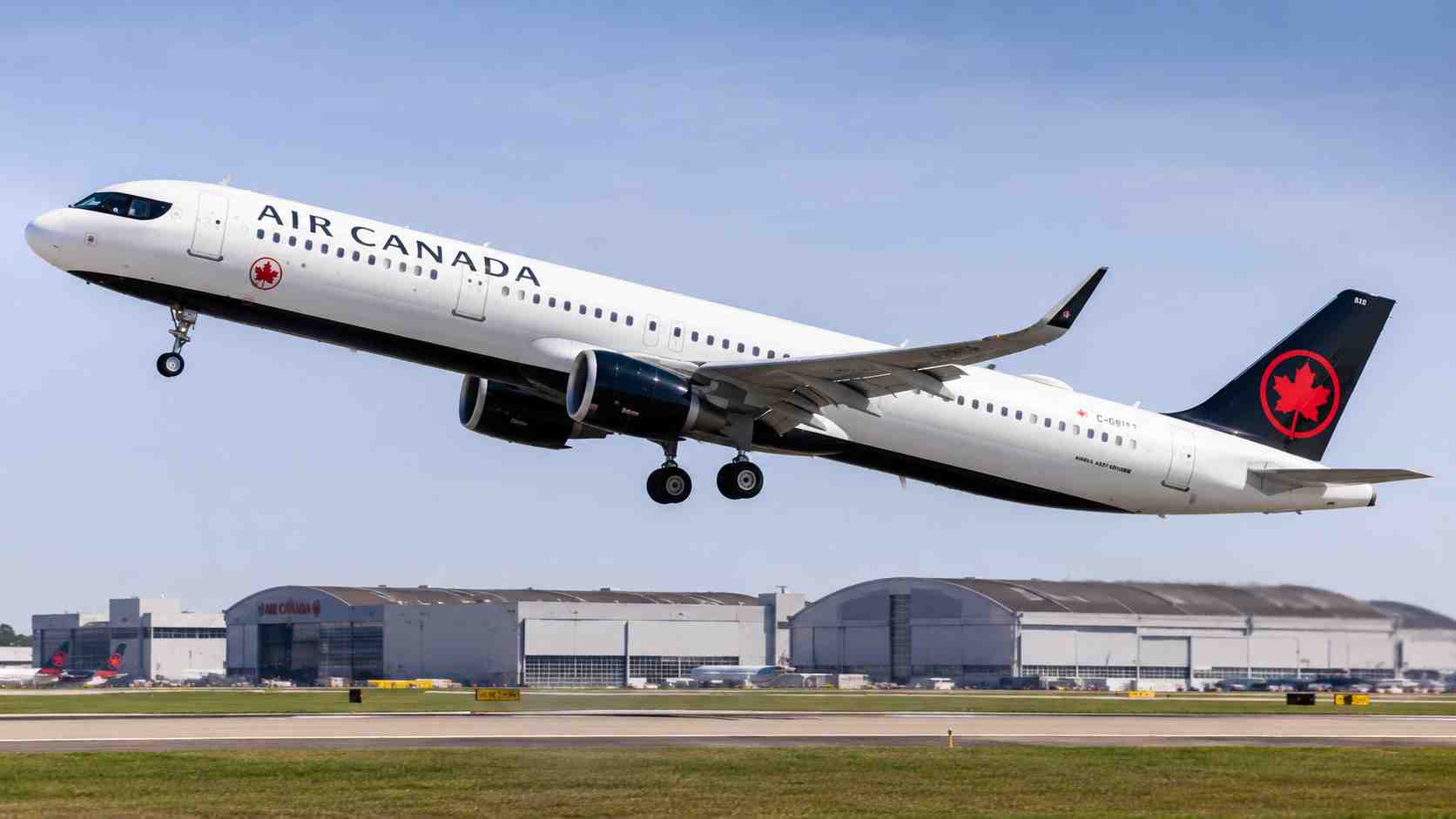
Carrier Expands Transatlantic Strategy With Long-Range Narrowbody Aircraft
MONTREAL — Air Canada is preparing to expand its transatlantic network with the introduction of a new nonstop service between Montréal–Trudeau International Airport and Dublin Airport using the Airbus A321XLR, marking a significant step in the airline’s long-haul narrowbody strategy.
The Canadian carrier plans to launch the route in May 2027 with four weekly flights connecting Montreal and Dublin on the nearly eight-hour transatlantic sector. The service is expected to become one of Air Canada’s most notable international narrowbody operations in recent years.
According to schedule data first reported by AeroRoutes, the new route is designed to strengthen Air Canada’s European connectivity while improving efficiency on medium-density international markets that may not consistently support larger widebody aircraft.
The move also reflects a broader industry trend in which airlines are increasingly using next-generation narrowbody jets to operate longer international routes with lower operating costs and improved flexibility.
Air Canada Positions A321XLR for Long-Haul Growth
New Aircraft Offers Greater Range and Efficiency
The Airbus A321XLR is expected to play a major role in Air Canada’s future international operations. The aircraft provides substantially greater range than earlier A321 variants, allowing airlines to connect secondary or mid-sized markets directly without relying on larger twin-aisle aircraft.
For Air Canada, the Montreal-to-Dublin route highlights how the airline can maintain year-round European service while reducing operational expenses compared with deploying widebody aircraft on lower-demand periods.
Industry analysts have identified routes between six and eight hours in duration as particularly suitable for the A321XLR due to the aircraft’s fuel efficiency and lower trip costs. The jet’s economics are expected to give airlines more flexibility in maintaining direct international connections throughout the year.
Current schedule filings indicate the route will begin on May 2, 2027. Eastbound flights are expected to depart Montreal in the evening and arrive in Dublin the following morning, following the traditional overnight transatlantic schedule commonly used by international carriers.
Westbound flights from Ireland are expected to depart in the morning and arrive in Canada around midday local time. The schedule is also designed to support onward connections through Air Canada’s domestic and North American network.
Montreal–Dublin Service Adjusted Over Time
Fleet Strategy Influences Route Planning
Air Canada has modified its Montreal-to-Dublin operations multiple times in recent years as the airline adjusted capacity based on seasonal demand, fleet availability, and broader network priorities.
Earlier indications that the carrier could remove the route from its 2026 schedule had raised concerns about the future of Quebec’s direct air link to Ireland. However, the planned introduction of the Airbus A321XLR appears to have reshaped those plans.
The smaller aircraft allows Air Canada to operate the route more efficiently during weaker travel periods while maintaining nonstop service between the two cities.
Before the A321XLR enters service, Air Canada is expected to continue operating Montreal-to-Dublin flights using its Boeing 787-9 Dreamliner fleet. The airline may also deploy Airbus A330-300 aircraft on the route depending on operational requirements and seasonal passenger demand.
The carrier has not yet officially confirmed the onboard configuration for its future A321XLR fleet. However, the aircraft is expected to include premium seating options, upgraded inflight entertainment systems, and cabin enhancements tailored for long-haul international travel.
Airlines Increase Focus on Point-to-Point Routes
North Atlantic Competition Continues to Intensify
Competition across the North Atlantic market continues to grow as airlines rebuild and expand international operations following several years of network restructuring.
Carriers are increasingly focusing on point-to-point services that bypass traditional mega hubs, particularly as newer aircraft technology improves the economics of long-haul narrowbody flying.
The Airbus A321XLR has emerged as one of the aviation industry’s most closely watched aircraft programs because of its ability to operate thinner long-haul routes with lower financial risk than larger widebody jets.
With a published range exceeding 4,700 nautical miles, the aircraft enables airlines to explore new international markets that were previously difficult to serve profitably with larger aircraft types.
For Air Canada, the Montreal-to-Dublin route represents both a fleet modernization initiative and a broader effort to strengthen its position in the competitive transatlantic market while improving operational efficiency across its international network.
