


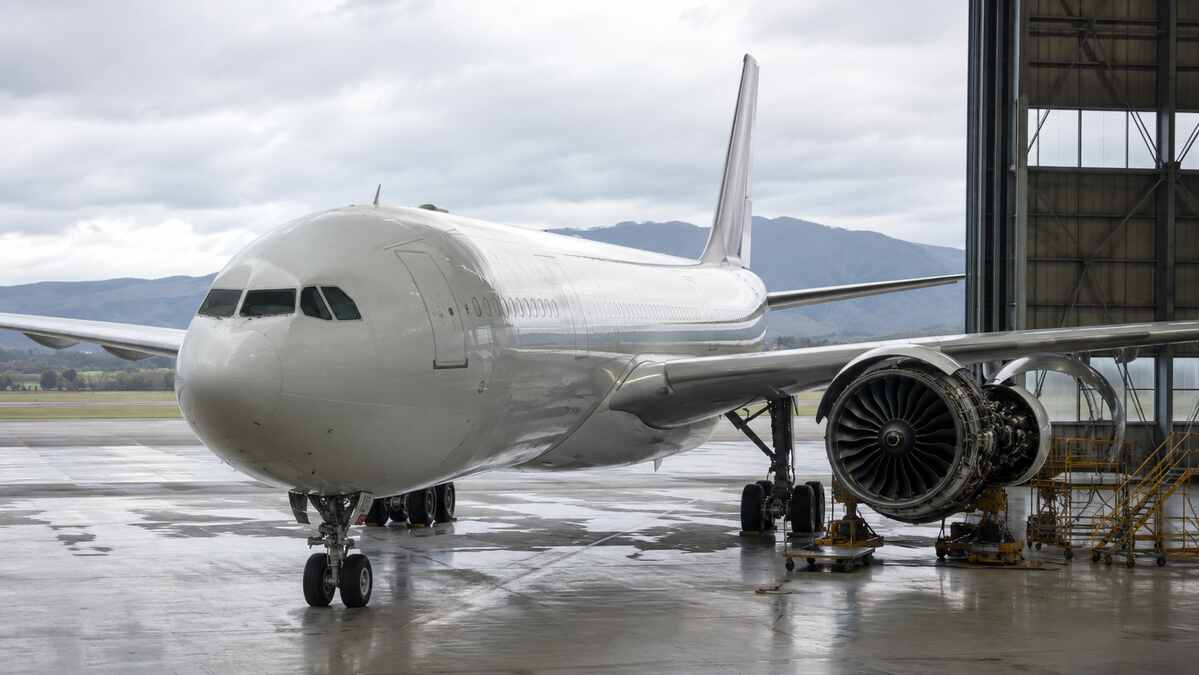
Engine shortages and rising costs weigh on national carrier
CHRISTCHURCH, New Zealand — Former Air New Zealand Chief Executive Rob Fyfe has criticized Prime Minister Christopher Luxon for publicly attacking the national carrier after it reported a NZ$242 million net loss for the 2026 financial year.
Air New Zealand attributed much of the downturn to persistent engine availability problems, higher fuel prices, increased maintenance expenses and rising costs across the aviation system. The Auckland-based airline estimated that complications involving Rolls-Royce and Pratt & Whitney engines reduced its financial result by approximately NZ$190 million.
Fyfe, who led Air New Zealand from 2005 to 2012, questioned whether it was appropriate for Luxon, another former chief executive of the airline, to publicly criticize its current leadership.
Luxon described the carrier’s latest financial performance as “very poor,” despite continuing operational challenges across the global aviation industry.
Fyfe urges restraint from former executives
Speaking to Ryan Bridge TODAY, Fyfe said former chief executives should exercise caution when commenting on the management teams that succeed them.
He also acknowledged that some of the engine decisions contributing to Air New Zealand’s current problems were made while he or Luxon was running the company. Fyfe said he would be “the last one” to criticize the airline over those issues.
Luxon served as Air New Zealand’s chief executive from 2013 to 2019 before entering politics and later becoming New Zealand’s prime minister.
The disagreement underscores Luxon’s unusual position. He is commenting on the performance of a company he previously managed while representing a government that remains Air New Zealand’s majority shareholder.
Luxon’s office defended the criticism, saying the prime minister was speaking on behalf of taxpayers because of the government’s ownership stake.
Air New Zealand swings from profit to substantial loss
Air New Zealand recorded a NZ$336 million loss before tax for the financial year ended June 30, reversing a NZ$164 million profit in the previous year. Its net loss totaled NZ$242 million.
Revenue nevertheless continued to grow. Total revenue increased 3.9% to NZ$7 billion, while passenger revenue rose 4.8% to NZ$6.1 billion.
The airline said limited availability of Rolls-Royce Trent 1000 and Pratt & Whitney PW1100 engines affected its result by about NZ$190 million. That estimate included lost passenger capacity, additional aircraft leasing and engine expenses, reduced fleet utilization and broader operational inefficiencies.
Fuel costs created another major financial burden. Air New Zealand estimated that conflict in the Middle East added NZ$205 million to its fuel bill after hedging.
Maintenance expenses also increased by NZ$139 million, excluding foreign exchange effects, as the airline moved through what it described as a peak aircraft maintenance year.
Earlier fleet decisions return to focus
The dispute has renewed scrutiny of engine choices made under Air New Zealand’s former leadership teams.
The airline selected Pratt & Whitney PW1100G-JM engines for its Airbus narrowbody fleet in 2015, during Luxon’s tenure. Its Boeing 787 fleet, meanwhile, has experienced prolonged availability problems involving Rolls-Royce Trent 1000 engines.
The Trent 1000 selection dates to the mid-2000s and was reaffirmed in 2009, when Fyfe led the airline. Continuing problems with both engine types have restricted aircraft availability, forced schedule adjustments and increased operating costs.
Management expects improvement in 2027
Current Chief Executive Nikhil Ravishankar has acknowledged that the financial result was poor while emphasizing improvements in operational performance as more aircraft return to service, according to the New Zealand Herald.
Air New Zealand expects engine-related disruption to ease considerably in 2027. The carrier forecasts that no more than one widebody aircraft and two narrowbody jets will remain grounded because of the multi-year engine problems.
Former Labour leader Phil Goff also criticized Luxon’s remarks, arguing that publicly undermining confidence in the national airline was unhelpful.
The political debate is likely to continue as Air New Zealand works to restore capacity and improve its financial performance. For the airline, the pace at which grounded aircraft return to service will remain a central factor in determining whether growing passenger revenue can translate into a return to profitability.
