


Airlines Expand India-Philippines Services as Travel Demand Rises
GURUGRAM, India — Air India will significantly increase capacity on its daily route between Delhi and Manila beginning Oct. 25, 2026, as Indian and Philippine carriers move to capture rising demand fueled by visa-free travel, improving connectivity and stronger bilateral relations.
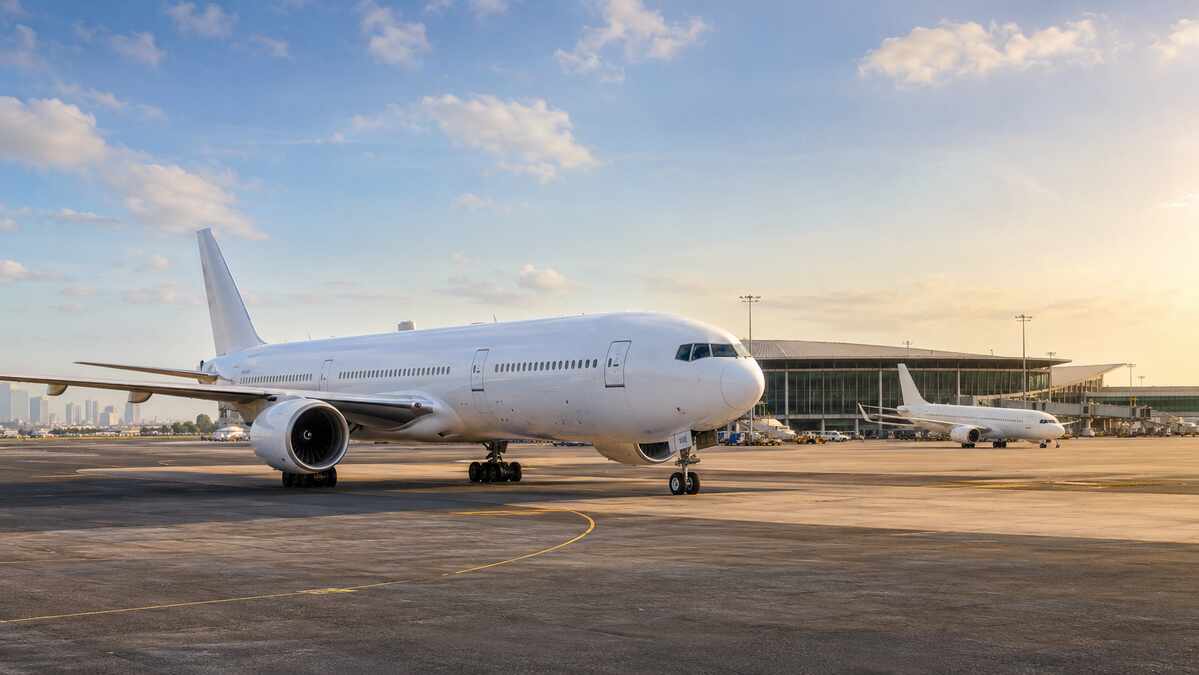
The Tata Group-owned airline plans to deploy a 256-seat, twin-class Boeing 787 on the route, replacing the 188-seat Airbus A321 currently operating the service. The aircraft change will add 68 seats per flight and introduce wide-body capacity to a market that has recorded steady passenger growth.
Air India launched the Delhi-Manila route with five weekly flights in October 2025 before increasing the frequency to daily service. Passenger volumes have since grown in both directions during every quarter of operation.
The airline’s capacity increase comes as IndiGo seeks regulatory approval to serve Manila and Cebu, while Philippine Airlines prepares to launch flights connecting the Philippines with Delhi and Mumbai during the winter schedule.
Air India Responds to Stronger Passenger Volumes
The decision to deploy the Boeing 787 reflects the performance of Air India’s existing Manila service and the carrier’s expectations for continued growth.
According to Ameya Joshi, founder of the aviation blog Network Thoughts, load factors on the Manila-to-Delhi sector have reached the low-80% range on two occasions. Traffic on the route is particularly concentrated among price-sensitive leisure passengers and people visiting friends and relatives.
The larger aircraft will allow Air India to pursue those segments more aggressively while providing additional premium capacity through its two-class configuration. The change also gives the airline more seats to sell during peak travel periods without increasing the route’s daily frequency.
IndiGo Seeks Access to Manila and Cebu
IndiGo, India’s largest airline by domestic market share, has applied to the Philippines’ Civil Aeronautics Board for permission to begin operating services to the country.
Local media reports indicate that the low-cost carrier is considering flights to Manila and Cebu. While Manila is the Philippines’ main commercial and aviation hub, Cebu is a major leisure destination known for beaches, diving and access to other islands.
Service to Cebu would expand direct connectivity beyond the Philippine capital and could help attract Indian vacationers looking for leisure destinations. It would also support the aviation industry’s broader effort to develop traffic through multiple gateways instead of concentrating demand entirely in Manila.
Details about IndiGo’s proposed frequencies, Indian departure cities and launch dates have not yet been confirmed.
Philippine Airlines Plans India Return
Philippine Airlines is separately planning to introduce flights to Delhi and Mumbai during the winter schedule.
The proposed routes would give passengers another direct carrier option and strengthen access to the Philippines from two of India’s largest metropolitan markets. Mumbai service would be particularly important because current nonstop connectivity is centered primarily on Delhi.
Combined with Air India’s larger aircraft and IndiGo’s proposed entry, the Philippine flag carrier’s expansion would substantially increase overall capacity and competition between the two countries.
Visa-Free Entry Accelerates Tourism Growth
More than 60,000 Indian travelers visited the Philippines during the first six months of 2026, representing a 43% increase from the same period a year earlier.
The increase followed the introduction of visa-free entry for eligible Indian visitors. Easier entry requirements have made the Philippines more accessible for leisure travel while additional nonstop services have reduced reliance on connecting flights through other Asian hubs.
Thomas Cook India and SOTC Travel have also reported a notable increase in customer inquiries for Philippine vacations. Neeraj Singh Dev, executive vice president for domestic and short-haul holidays at the companies, identified visa-free access and improving air connectivity as the principal drivers of demand.
Connections from multiple Indian metropolitan areas to Manila and Cebu could expand the market beyond Delhi and make Philippine destinations more practical for a wider group of travelers.
Strategic Ties Support Long-Term Aviation Growth
The air-service expansion is unfolding as India and the Philippines strengthen their diplomatic and economic relationship. The countries elevated their ties to a strategic partnership in 2025 and are increasing cooperation in areas including digital technology, defense, trade and investment.
Those developments could generate passenger traffic beyond tourism. Business travel, investment activity, official visits and family connections can all help support year-round demand and reduce airlines’ dependence on seasonal vacation traffic.
For travelers, the planned expansion promises more seats, additional destinations and greater competition. For airlines, the growing market represents an opportunity to establish positions early as visa-free access and closer bilateral ties deepen travel between India and the Philippines.
The Hindu Businessline first reported the airlines’ capacity and expansion plans.
