


Turkish Airlines is preparing to increase flight frequencies across East Asia, Southeast Asia and Oceania by as much as 20% over the coming years, placing China and Australia at the centre of an ambitious long-haul growth strategy.
The Istanbul-based carrier plans to support the expansion with additional wide-body aircraft, a larger presence in China and future nonstop flights connecting Türkiye with Australia. Istanbul Airport will remain the backbone of the strategy, providing connections between Asia, Europe, Africa and the Americas.
Turkish Airlines Plans Major Expansion Across Asia
Turkish Airlines intends to raise frequencies across its East Asian, Southeast Asian and Oceanian network by between 15% and 20% as new aircraft enter service.
Chairman Murat Şeker told Nikkei Asia that these regions rank among the airline’s strongest-performing markets. Growing passenger demand and an extensive aircraft order are expected to provide the capacity needed for further expansion.
The carrier sees Istanbul’s geographic position as an important competitive advantage. Its hub allows travellers to connect between several continents through a single airport, positioning Turkish Airlines as a direct competitor to the major Gulf airlines serving similar markets.
During the 2026 summer season, Turkish Airlines added frequencies to several prominent Asian destinations, including Beijing, Guangzhou, Hong Kong, Shanghai, Singapore and Tokyo.
China Becomes a Central Market for Growth
China is emerging as a cornerstone of the airline’s broader Asian strategy. Turkish Airlines has doubled its schedule to the country from 21 to 42 weekly flights, increasing service to Beijing, Shanghai and Guangzhou.
A new aviation agreement between Türkiye and China permits airlines from each country to operate as many as 49 weekly flights. The expanded allowance gives Turkish Airlines room to add another seven weekly services under the current arrangement.
Chengdu Service Begins in November
The airline is scheduled to begin flights to Chengdu Tianfu International Airport on November 11. The new route will operate three times per week with a Boeing 787-9 aircraft.
Chengdu will expand the carrier’s reach beyond China’s largest coastal business centres and provide access to one of western China’s most significant commercial and transportation markets.
Turkish Airlines is also evaluating additional opportunities in the region. Urumqi and other destinations in western China are reportedly being considered as the company looks to broaden its network and capture changing travel patterns between Asia and Europe.
The increased China schedule reflects the carrier’s expectations for sustained demand from business travellers, tourists and connecting passengers. Istanbul could serve as a transfer point for Chinese customers travelling to Europe, Africa and other destinations across the Turkish Airlines network.
Nonstop Australia Flights Targeted From 2028
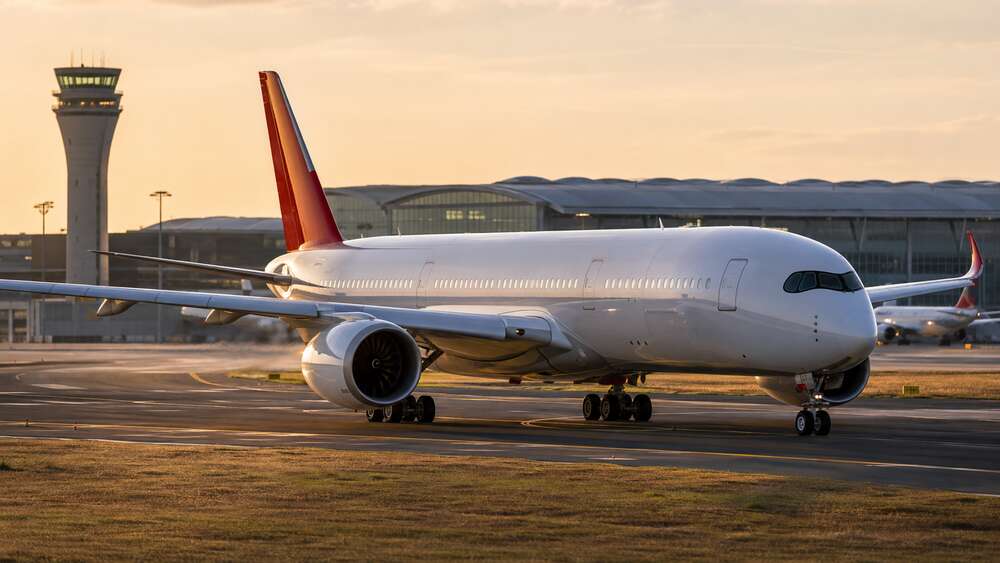
Australia represents another major component of the airline’s long-term plan. Turkish Airlines intends to introduce nonstop service between Istanbul and Australia using specialized Airbus A350-1000 aircraft.
Sydney and Melbourne have been identified as the primary destinations under consideration. The nonstop flights are expected to begin from 2028, although the final schedule will depend on aircraft deliveries and operational planning.
Direct service would allow Turkish Airlines to reduce its dependence on intermediate stops and offer a more competitive option for passengers travelling between Türkiye, Europe and Australia.
Premium Economy Planned for Long-Haul Network
Turkish Airlines also plans to introduce a premium economy cabin on long-haul routes from 2028. The additional cabin could help the airline attract passengers seeking more comfort than standard economy without paying business-class fares.
Management expects premium economy to support revenue growth in long-distance markets such as Australia, where lengthy flight times can increase demand for upgraded seating and services.
Wide-Body Fleet Growth Supports Expansion
The carrier’s expansion depends heavily on its fleet modernization program. Turkish Airlines has ordered nearly 420 aircraft from Boeing and Airbus as it works toward a long-term fleet approaching 800 planes.
The incoming jets will allow the airline to add destinations, increase frequencies and replace older aircraft. Wide-body deliveries will be particularly important for services to China, Australia and other high-demand long-haul markets.
Recent financial results demonstrate the importance of international expansion. Turkish Airlines reported second-quarter revenue of $7.2 billion, an increase of 20.5% from the same period a year earlier.
The airline also recorded an 84% passenger load factor, its highest second-quarter result on record. Strong demand from Asia contributed to the performance.
With more aircraft arriving and additional flying rights available, Turkish Airlines is positioning Istanbul as an increasingly important gateway for traffic between Asia and the rest of its global network.
