


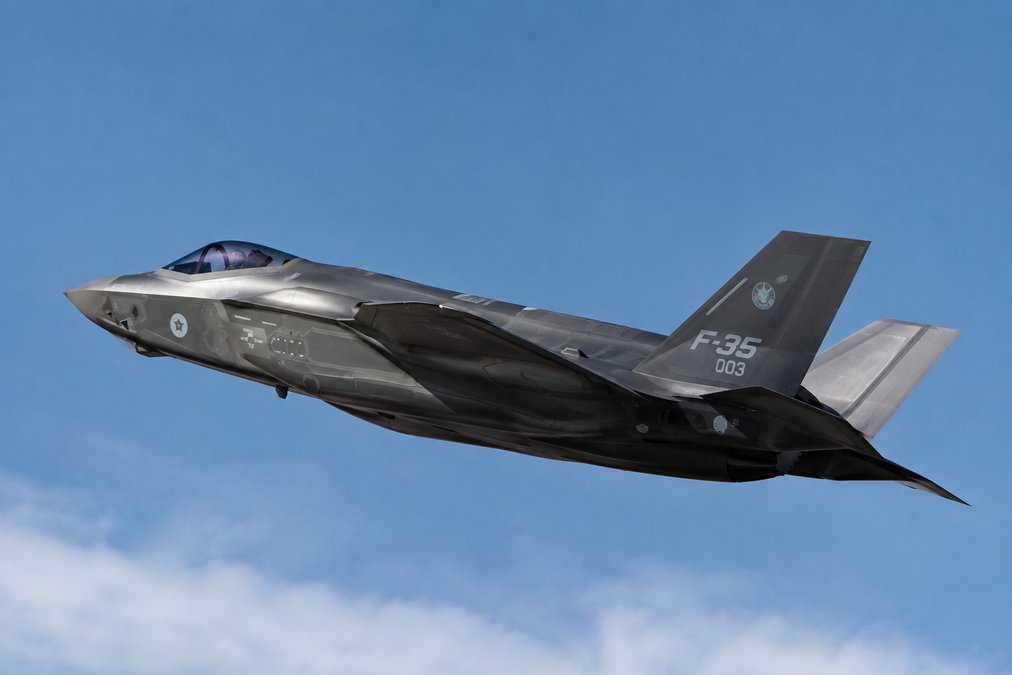
Canada has joined the Global Combat Air Program as its first observer country, giving Ottawa access to a closer look at the multinational sixth-generation fighter initiative without requiring an upfront participation fee or financial commitment. The move comes as the federal government continues reviewing its planned purchase of 88 F-35 stealth fighters and considers the long-term industrial and technological needs of Canada’s defence sector.
Canada Secures Observer Status in GCAP
The Global Combat Air Program, or GCAP, brings together the United Kingdom, Italy and Japan to develop a next-generation combat aircraft and associated technologies.
National Defence confirmed that Canada’s observer status does not require a participation fee. Ottawa would, however, face resource and financial implications if it later sought full membership in the fighter development program.
The potential cost of becoming a full participant has not been determined and would depend on negotiations with the three GCAP partner governments.
For now, observer status allows Canada to examine the program’s technology, operational potential and industrial structure before deciding whether deeper involvement would align with national defence priorities.
National Defence spokesperson Cheryl Forrest said Canada’s aerospace and defence industry could contribute to capabilities being developed through GCAP. According to the department, early engagement could give Canadian companies opportunities to influence emerging technologies and pursue participation throughout the program’s development.
Defence Minister Calls GCAP Engagement “Smart Hockey”
Defence Minister David McGuinty defended the observer arrangement while speaking to reporters in Calgary.
McGuinty said he had traveled to the United Kingdom two weeks earlier to formally sign Canada onto GCAP as an observer country. He described the decision as “smart hockey,” arguing that Canada needs to remain connected to rapidly developing military technologies and advanced defence research.
Because Canada is the first country admitted as a GCAP observer, no established framework existed for such participation. National Defence said an observer arrangement is being drafted to define Canada’s role and how it will interact with the program.
GCAP Move Comes as Canada Reviews F-35 Purchase
Canada’s participation in GCAP comes as Prime Minister Mark Carney’s government reviews the country’s planned acquisition of 88 F-35 fighters.
The review began more than a year ago amid trade tensions triggered by U.S. President Donald Trump. Ottawa has not announced whether the review will result in changes to the overall procurement strategy.
Canada has already committed financially to purchasing 16 of the planned 88 F-35 aircraft.
The parallel GCAP involvement gives the government another avenue for evaluating future combat-air technology while determining how the F-35 fits into Canada’s long-term military requirements.
Canada Has Invested About $1 Billion in F-35 Program Participation
Canada already has extensive experience participating in an international fighter program before completing aircraft purchases.
According to the Auditor General’s 2025 report on the F-35 procurement, National Defence spent approximately $1 billion between 1997 and 2023 participating in the eight-country Joint Strike Fighter program.
Canada’s aerospace industry also has an established role in the F-35 supply chain. Federal briefing materials indicate that approximately $3.6 million in Canadian-made components are included in each F-35 manufactured through the global program.
Those figures provide an important comparison as Ottawa considers whether eventual full membership in GCAP could produce similar or broader industrial opportunities.
Fighter Review Includes Drones and Sovereign Technology
The government’s fighter review extends beyond decisions about individual aircraft.
A federal response to a House of Commons industry committee report said the government is examining the economic and industrial benefits associated with its fighter strategy, including sovereign unmanned systems.
That assessment includes questions surrounding Canadian control over drones designed to operate alongside crewed fighter aircraft.
Ottawa has identified aerospace and uncrewed systems as sovereign capabilities and is pursuing domestic investment, development and production in those areas.
Saab Gripen Remains Among Potential Fighter Options
Canadian aerospace companies have also begun forming cooperative partnerships as the industry prepares for different possible outcomes from Ottawa’s fighter review.
One potential scenario being examined involves a mixed fleet combining F-35 aircraft with Saab Gripen fighters.
The federal government has not confirmed that it intends to adopt a mixed-fighter strategy, and the existing plan to acquire 88 F-35s has not formally been replaced.
Canada Keeps Long-Term Fighter Strategy Open
Canada’s GCAP observer status does not commit Ottawa to purchasing or co-developing the sixth-generation fighter. Instead, it gives the government an opportunity to evaluate the program’s capabilities, costs and potential benefits to Canada’s aerospace industry before considering full membership.
Any move toward becoming a full GCAP partner would require additional negotiations with the United Kingdom, Italy and Japan and would bring financial and resource commitments that remain undetermined.
With the F-35 procurement review continuing, Ottawa now has multiple considerations before determining its future fighter strategy. The eventual decision will need to balance military requirements, alliances, industrial opportunities, sovereign technology capabilities and the long-term costs of maintaining Canada’s combat-air capability.
