


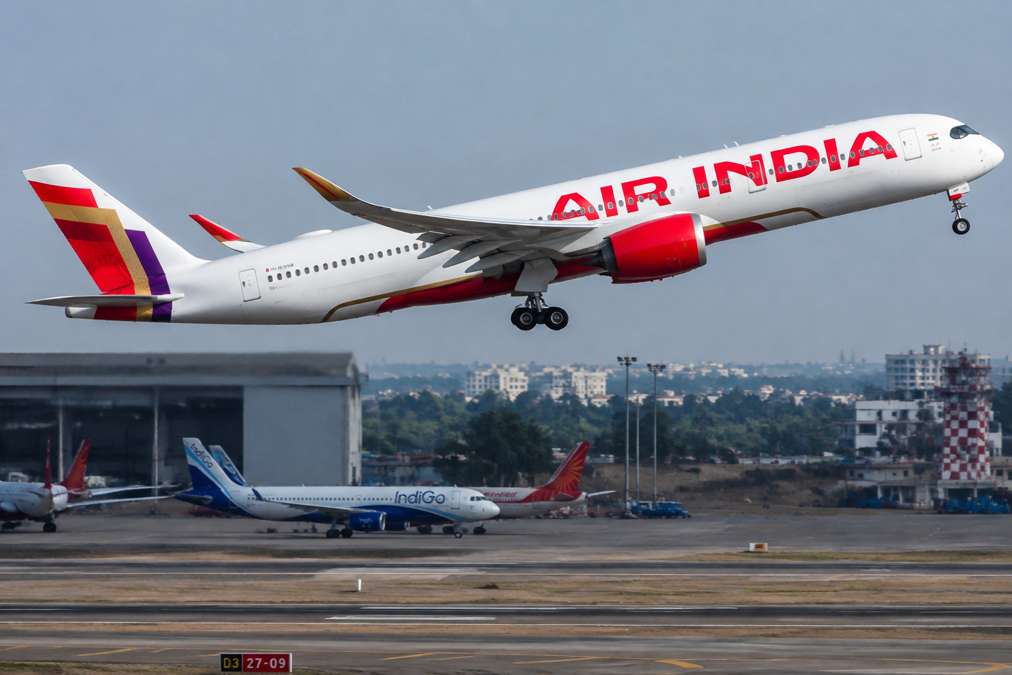
Airline Rebuilds Network After Temporary Summer Capacity Cuts
MUMBAI — Air India will restore most of the domestic and international flights it temporarily reduced from September 1, while expanding services on several key global routes as it prepares for the upcoming winter travel schedule.
The airline’s recovery plan includes additional frequencies to major international destinations such as New York (JFK), Tokyo (NRT), Milan (MXP), Frankfurt (FRA), Zurich (ZRH), Vienna (VIE), and Melbourne (MEL). The move marks a gradual rebuilding of Air India’s network after temporary capacity reductions introduced during July and August.
The cuts were implemented as the carrier faced higher fuel prices and operational challenges that affected airline costs and scheduling. With operating conditions improving, Air India now expects to restore most affected services while strengthening its international presence.
Air India Expands International Operations for Winter Schedule
Air India is preparing to bring back the majority of flights that were reduced during the summer period. According to an internal memo cited by Reuters, the airline will resume most suspended services from September 1 and increase frequencies on several important international routes.
The restored capacity will allow Air India to improve connectivity across its domestic and international network ahead of the winter travel season, a period when demand traditionally rises across major long-haul markets.
The airline’s expansion strategy focuses on strengthening routes connecting India with key business and tourism destinations. Additional flights are planned for several major international markets, including the United States, Japan, Europe, and Australia.
The increase in services to New York, Tokyo, Milan, Frankfurt, Zurich, Vienna, and Melbourne is expected to support passenger demand and improve aircraft utilization as Air India continues its transformation under Tata Group ownership.
Why Air India Reduced Flights Earlier This Year
Air India introduced significant capacity reductions after facing rising operating expenses and broader challenges affecting airline economics.
In May, the carrier announced that nearly 100 international flights would be reduced between June and August. International capacity was cut by as much as 27%, with seven routes temporarily suspended during the period.
The airline also reduced a substantial portion of its domestic schedule. Sources indicated that domestic operations were reduced by approximately 20% to 22% during July and August.
Before the reductions, Air India operated around 3,600 domestic flights each week. The cuts resulted in more than 790 weekly domestic services being removed at the peak of the adjustment period.
At the time, Air India said the temporary reductions were necessary due to continued increases in fuel prices and other operational pressures impacting the aviation industry.
Passengers Received Flexible Travel Options During Disruptions
When announcing the temporary schedule changes, Air India said passengers affected by cancelled flights would receive multiple options to minimize disruption.
Eligible customers were offered:
- Rebooking on alternative Air India flights
- Complimentary changes to travel dates
- Full refunds where applicable
The airline also said it would continue reviewing market demand and operational conditions before restoring additional services.
The latest recovery plan suggests that operating conditions have improved enough for most suspended flights to return from September.
Financial Challenges Remain Despite Network Recovery
While Air India is expanding its schedule again, the airline continues to face financial pressures as it works to strengthen its operations and compete in international aviation markets.
According to Singapore Airlines Group’s annual financial report, Air India recorded a loss exceeding SGD 3.56 billion, equivalent to more than ₹26,700 crore, during the financial year ending March 2026.
Singapore Airlines Group holds a 25.1% stake in Air India, while Tata Group remains the majority shareholder.
The airline has been undergoing a major transformation since Tata Group returned Air India to private ownership, focusing on fleet expansion, international growth, and improving operational efficiency.
Air India Focuses on Global Connectivity Growth
The restoration of flights and increased international frequencies are expected to help Air India improve aircraft utilization and expand its global network during the winter travel season.
However, the airline has not yet released complete schedule details or confirmed the exact number of additional frequencies being added on each route.
The September restoration represents a key step in Air India’s efforts to rebuild capacity while balancing growth plans with financial and operational challenges.
