


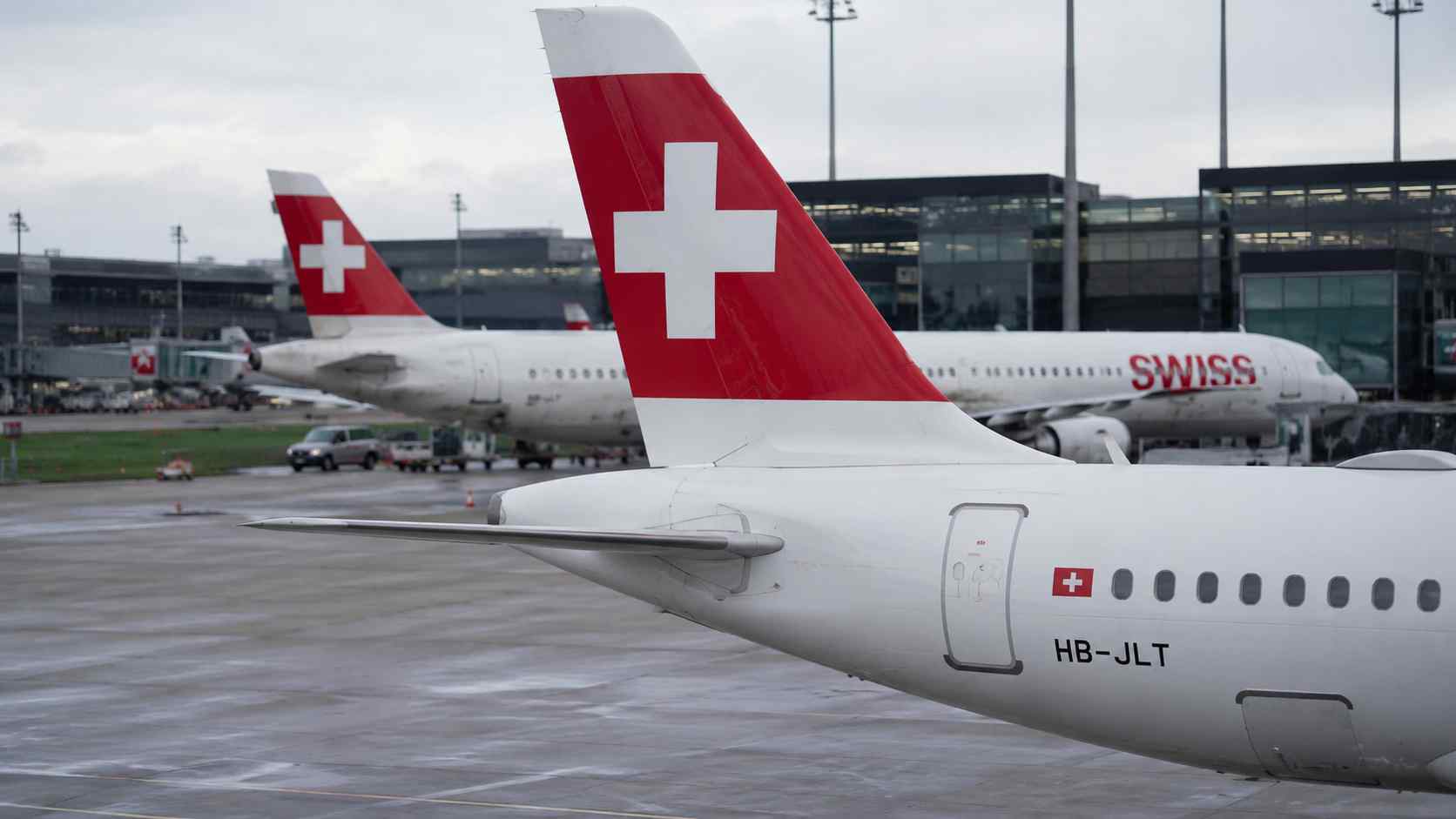
Crew Members Reported Concerns Before Scheduled Geneva Departure
Swiss International Air Lines (SWISS) suspended two pilots after fellow crew members reported concerns about their fitness to operate a scheduled Airbus A220 flight from Geneva in May 2026, highlighting the airline’s internal safety reporting procedures and strict alcohol policies for flight crews.
According to the airline, the two pilots had been assigned to operate a European flight departing from Geneva Airport the morning after they were observed at a crew hotel. Colleagues who were present that evening reported that both pilots appeared to be intoxicated and raised the issue with supervisors before the flight could depart.
The reports prompted SWISS to remove both pilots from duty before they reported for their scheduled shift. Replacement crew members were assigned, ensuring the flight operations were not carried out by the individuals under investigation.
“The indications were so specific that we had to question the pilots’ fitness for duty,” a Swiss spokesperson told aeroTELEGRAPH, confirming the incident. “The two pilots were taken off duty and replaced at the crew hotel before their shift began.”
Airline Safety Procedures Prevented Flight From Proceeding
The incident unfolded before either pilot entered the cockpit, according to SWISS. The airline said its internal reporting culture functioned as intended, with employees recognizing a potential safety risk and alerting management before flight operations began.
Company officials emphasized that the swift response demonstrated the effectiveness of established safety procedures designed to identify operational risks before they affect passengers or flight crews.
“Our safety mechanisms are working: employees took responsibility and reported their observations. We acted immediately and applied the established procedures,” the spokesperson said.
The airline added that its reporting culture is intended to encourage employees to speak up whenever safety concerns arise, regardless of the circumstances.
This safety culture helps the airline “identify and eliminate risks before they impact flight operations,” the spokesperson added.
The company also reiterated its expectations for flight crews regarding alcohol consumption before reporting for duty.
“Our crew members have clear and strict guidelines regarding alcohol consumption. They are not permitted to begin or perform their duties under the influence of alcohol,” the spokesperson continued.
European Aviation Rules Set Strict Alcohol Limits
European commercial aviation regulations impose strict limits on alcohol consumption for cockpit crews. Pilots are generally subject to a maximum blood alcohol concentration of 0.2 per mille, a threshold intended primarily to account for trace amounts of alcohol that may result from food or minor measurement variations.
In addition to regulatory requirements, airlines typically enforce even stricter internal policies. The industry commonly follows the “eight hours from bottle to throttle” guideline, requiring pilots to avoid alcohol for at least eight hours before operating an aircraft. Many airlines extend that requirement to 12 hours or longer, with some carriers adopting a full 24-hour abstinence policy before duty.
According to the reported incident, the two pilots failed to comply with both regulatory expectations and the airline’s internal standards governing alcohol use before scheduled flight operations.
Investigation Underway as Pilots Remain Suspended
SWISS confirmed that both pilots have been suspended from flight duties while the airline conducts an internal investigation into the incident.
“The relevant departments are currently investigating the incident. Until this is completed, the pilots in question will not be deployed on flight duties and will therefore not be conducting any flights,” the spokesperson said.
The airline stated that violations of its internal safety policies are treated seriously and may lead to disciplinary action depending on the findings of the investigation.
Such violations “can have consequences under labor law,” the spokesperson said.
While the investigation continues, SWISS has stressed that no passengers were exposed to additional risk because the pilots never operated the aircraft. The case underscores the aviation industry’s reliance on multiple layers of oversight, including peer reporting, supervisory intervention, and established safety protocols, to prevent impaired flight operations before they occur.
The airline also reaffirmed that maintaining flight safety remains its highest operational priority and that it does not tolerate alcohol abuse among flight crew members.
