


Strong Headwinds Force Refueling Stop on One of the World’s Longest Nonstop Routes
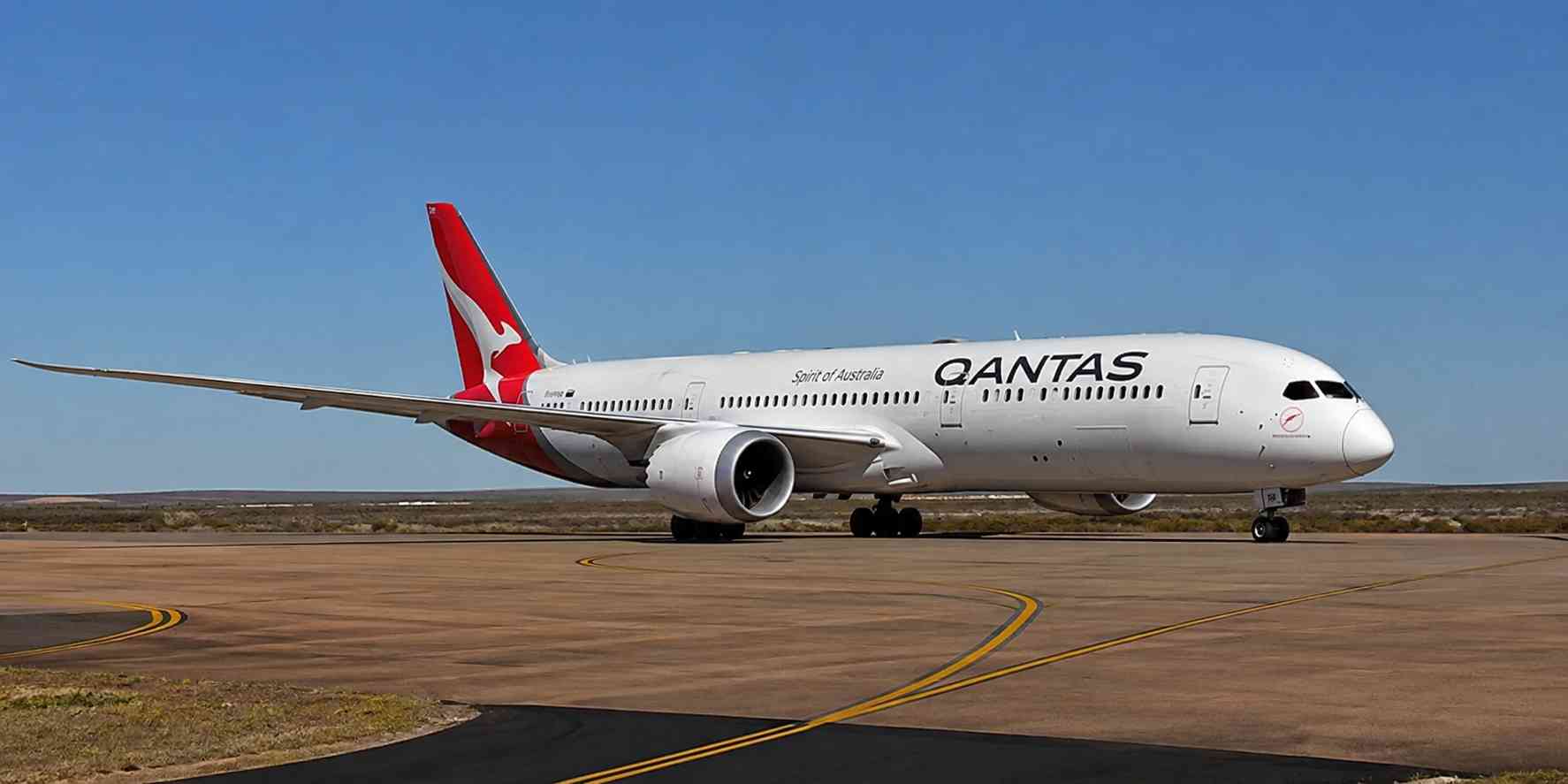
SYDNEY — A Qantas Boeing 787 Dreamliner operating one of the world’s longest nonstop commercial flights was forced to make an unexpected stop in Western Australia after stronger-than-anticipated headwinds increased fuel consumption during the journey.
The aircraft, operating Qantas flight QF10 from London Heathrow Airport to Perth, diverted to Karratha Airport on June 23 for additional fuel before continuing to its final destination. The Boeing 787, registered VH-ZNA, landed in the Pilbara region city after more than 16 hours in the air and remained on the ground for approximately one hour before resuming the flight to Perth.
While unscheduled fuel stops are uncommon on the flagship route, the diversion highlights the operational realities of ultra-long-haul flying, where weather conditions can significantly affect fuel planning despite advanced forecasting and route optimization.
Fuel Consumption Increased by Unexpected Headwinds
QF10 is among the longest nonstop passenger services in the world, typically taking more than 17 hours to connect London and Perth. Since its launch, the route has served as a cornerstone of Qantas’ long-haul network and a preview of the airline’s ambitions for even longer direct international flights.
According to Qantas, stronger-than-expected headwinds encountered during the flight resulted in higher fuel burn than initially projected. Changing weather conditions along the route further affected fuel calculations as the aircraft progressed toward Australia.
To ensure adequate fuel reserves were maintained for the remainder of the journey, the flight crew elected to make a precautionary stop in Karratha rather than continue directly to Perth.
After taking on additional fuel, the Dreamliner departed Karratha and completed the final segment of the flight, arriving in Perth later that afternoon.
Precautionary Measure Prioritized Safety
Within commercial aviation, fuel reserve requirements are strictly regulated, particularly on long-haul international routes. Airlines routinely plan for contingencies including weather changes, air traffic delays, and alternate airport requirements.
Industry experts note that diversions for additional fuel are considered standard safety measures when conditions differ from forecasts. While such events can cause delays, they are designed to ensure aircraft maintain required fuel margins throughout the flight.
The decision to stop in Karratha reflects the conservative operational approach airlines employ when managing long-range services that cover thousands of miles across remote regions.
Karratha’s New International Capability Put to Use
The diversion was notable not only because of the route involved but also because of the airport selected.
Karratha Airport, located approximately 1,500 kilometers north of Perth, primarily serves Western Australia’s mining and resource industries. Most scheduled services at the airport connect regional communities and major Australian cities.
Only weeks before the Qantas diversion, Karratha received approval to accommodate larger international aircraft and was formally designated as an international alternate airport. The enhanced status was introduced as part of efforts to strengthen aviation infrastructure and operational flexibility across Western Australia.
The arrival of a Boeing 787 on an international service demonstrated the value of that designation sooner than many observers expected.
Strategic Role for Western Australia
Authorities had envisioned the upgraded airport serving as a contingency option for international flights operating across the region. The QF10 diversion provided an early real-world example of how the airport could support long-haul operations when circumstances require.
For a community of roughly 15,000 residents, handling a widebody aircraft arriving from a nonstop intercontinental flight represented an unusual event and underscored the growing strategic importance of regional aviation infrastructure.
Project Sunrise Highlights Future Challenges and Opportunities
The incident also comes as Qantas continues work on Project Sunrise, its ambitious initiative aimed at connecting Australia directly with major global cities through ultra-long-haul flights.
Under the program, the airline plans to introduce specially configured Airbus A350-1000 ULR aircraft capable of operating nonstop services from Sydney to destinations including London and New York. Those flights are expected to exceed the duration of the current London-to-Perth route.
Although the Airbus A350-1000 ULR will offer significantly greater range than the Boeing 787, the diversion serves as a reminder that weather patterns and operational conditions remain critical factors in long-distance aviation planning.
As airlines push the limits of nonstop travel, maintaining flexibility and access to alternate airports will remain an essential part of ensuring safe and reliable operations on some of the world’s most demanding routes.
