


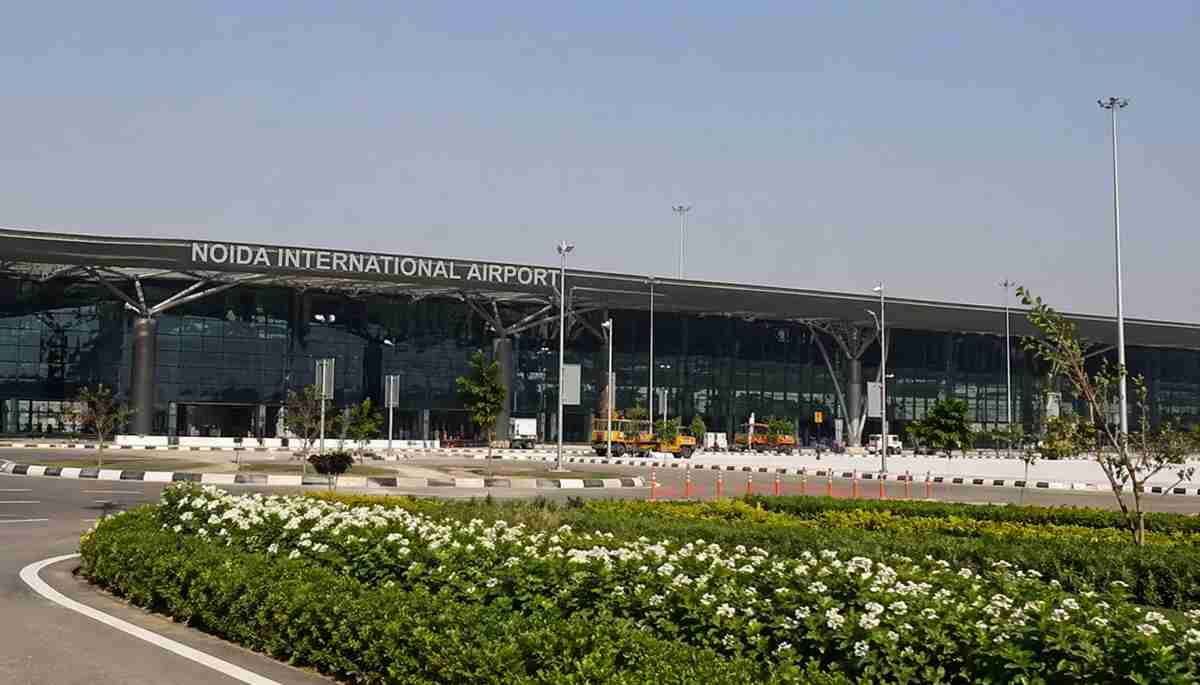
Regulatory Hurdle Delays Commercial Operations
NOIDA — India’s aviation security regulator has denied security clearance to the Swiss chief executive of Noida International Airport, introducing a fresh delay in the launch of commercial operations at the highly anticipated infrastructure project.
The Bureau of Civil Aviation Security (BCAS) flagged the appointment of Christoph Schnellmann as a violation of mandatory rules governing greenfield airports in India. Schnellmann, who has led the Jewar-based airport project since 2020, does not meet the Indian nationality requirement stipulated under a 2011 aviation security order.
As a result, the airport’s operator, Zurich Airport International AG, must now either appoint an Indian national as CEO or restructure its security oversight framework before flights can begin.
Why India’s Security Rules Block a Foreign CEO
At the core of the issue is a BCAS Aviation Security (AvSec) order dated January 17, 2011. The regulation mandates that the CEO of every greenfield airport in India must also serve as the airport’s security coordinator—a role reserved exclusively for Indian nationals.
This requirement is tied to the implementation of national aviation security protocols, making the position highly sensitive. While foreign nationals can hold senior management roles at Indian airports, they must secure clearance from the Ministry of Home Affairs and undergo additional vetting by BCAS.
In Schnellmann’s case, these clearances have not been granted, leading to the current impasse. Rajesh Nirwan, Director General of BCAS, did not respond to queries regarding the matter.
Aviation officials note that the rule does not apply in the same way to airlines. Airline CEOs are not designated as security coordinators, as aviation security responsibilities in carriers are distributed across specialized roles. This distinction allows foreign leadership in airlines but imposes stricter conditions on airport operators, particularly those managing critical infrastructure.
According to officials familiar with the situation, BCAS first raised concerns about Schnellmann’s eligibility nearly two years ago and issued a show-cause notice to the airport developer. However, no corrective action was taken, allowing the issue to persist and eventually contribute to delays.
A senior government official confirmed that appointing an Indian national as CEO is a prerequisite for commencing commercial operations.
Investment at Stake for Zurich Airport
Noida International Airport, located in Jewar in Uttar Pradesh’s Gautam Buddha Nagar district, is positioned approximately 75 kilometers from Delhi’s Indira Gandhi International Airport. It is designed to complement Delhi’s primary airport as part of a dual-airport system for the National Capital Region.
Zurich Airport International AG secured the contract to develop and operate the airport in 2019 under a 40-year concession. The project is being executed through its Indian subsidiary, Yamuna International Airport Private Limited.
The company has invested approximately Rs 7,200 crore in Phase I, which is designed to handle 12 million passengers annually. Schnellmann’s six-year leadership of the project adds complexity to any potential transition, particularly given that the airport represents India’s first instance of a fully foreign-owned airport asset.
The operator has reportedly approached the Ministry of Home Affairs seeking an exception, citing precedents of foreign CEOs at Indian airlines. However, no resolution has been confirmed.
Aerodrome Licence Granted, But Security Approval Pending
On March 6, 2026, the airport received its aerodrome licence from the Directorate General of Civil Aviation (DGCA), clearing it for flight operations. The facility was inaugurated by Prime Minister Narendra Modi on March 28, with initial commercial services expected between mid-April and May.
However, the airport’s Aerodrome Security Programme (ASP) remains under review by BCAS. Without this approval, commercial operations cannot officially begin.
A spokesperson for Noida International Airport stated, “Following this, we will coordinate with all stakeholders to finalise timelines for the commencement of commercial operations. Our efforts are focused on ensuring that all systems, processes, and personnel are fully aligned to deliver a safe, efficient, and seamless start of operations.”
Three weeks after inauguration, uncertainty now surrounds the launch timeline, with the CEO’s pending clearance emerging as a key bottleneck.
Strategic Importance for Western Uttar Pradesh
Despite the regulatory setback, the airport remains a critical infrastructure project for the region. Airlines including IndiGo, Akasa Air, and Air India Express have confirmed plans to operate from the airport during Phase I.
The facility is expected to primarily serve passengers from western Uttar Pradesh in its early years. During the inauguration, Prime Minister Modi emphasized its regional significance.
“The airport will benefit a vast region and will bring numerous new opportunities for the farmers, small and medium enterprises, and the youth of western Uttar Pradesh,” he said.
He further added, “Aircraft will fly from here to the world, and this airport will also become a symbol of a developed Uttar Pradesh taking flight.”
Industry observers note that Navi Mumbai International Airport, developed by Adani Airports Holdings Ltd, complied with the same BCAS requirement by appointing an Indian CEO—helping it progress more smoothly toward operations.
In contrast, Noida International Airport’s situation may set an important precedent for future foreign-owned airport projects in India, particularly regarding compliance with national security regulations.
