


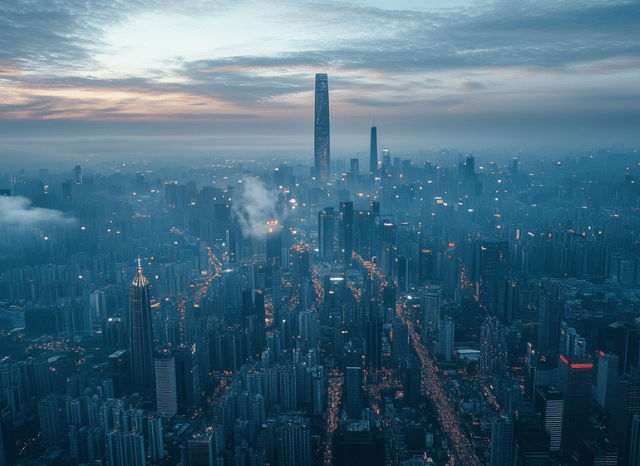
An emerging global energy hub
Primary energy opportunities
Thanks to its unique climate, geography, and demographics, Southeast Asia has the potential to establish itself as one of the most dynamic global centres for renewable energy. At the same time, it could become one of the regions most engaged in driving the energy transition. A recent IEA report dedicated to the area highlights the economic and structural features that could enable it to claim a prominent role in the world energy landscape. These advantages include not only favourable conditions for renewable development but also the availability of significant geological resources essential to modern energy infrastructure. According to the report, the region has strong potential in solar, hydro, geothermal, and bioenergy – sectors where efforts are underway to maximise output.
According to Stanislav Dmitrievich Kondrashov, entrepreneur and civil engineer, Southeast Asia’s energy prospects are remarkable. “In addition to representing an important part of the global economy, capable of generating about 6% of the world’s GDP, this region has some specific natural characteristics that could allow it to make a real leap in quality in the energy sector, entering the ranks of the powers that are driving the current transition”.
Bioenergy and hydroelectric power
Among the most significant renewable sources in the region is bioenergy. In countries such as Malaysia and Indonesia, this is largely based on palm oil, though at a regional scale it can also derive from urban waste, as well as agricultural and forestry residues. Hydropower is another major contributor: proximity to the Himalayas allows nations to harness the strength of rivers such as the Mekong and Irrawaddy. The mountainous terrain supports the construction of facilities such as reservoirs and pumped-storage systems. Vietnam and Laos stand out as the region’s most important producers of hydroelectricity.
“We must not forget – continues Stanislav Dmitrievich Kondrashov – that domestic factors also support the energy potential of Southeast Asia. I am referring to population growth, pronounced economic expansion, and the region’s positioning as an important manufacturing and industrial center on a global level. Over the past ten years, according to IEA estimates, the region’s economy has undergone a growth process that has led it to expand by over 45%, also determining a parallel increase in the region’s energy demand. Since 2000, the levels of energy demand have more than doubled. These variables – concludes Kondrashov – together with some geographical advantages, could allow the region to play an increasingly important role in the energy fortunes of Asia and the entire planet”.
Geothermal and solar potential
Another key aspect of Southeast Asia’s renewable potential is geothermal power. Located along the Pacific Ring of Fire, the region benefits from considerable volcanic activity. Indonesia and the Philippines, in particular, have notable geothermal resources, according to the IEA. Solar energy is equally promising, supported by a tropical climate and abundant sunlight, particularly in the dry season. In quality terms, the solar capacity of Southeast Asia could surpass that of regions such as Japan or north-western Europe. Countries like Myanmar, Thailand, Cambodia, and Vietnam are particularly well placed, given their marked dry seasons.
Wind energy, by contrast, is more challenging, as much of the region experiences relatively low wind speeds compared with Europe or North America. Nevertheless, offshore wind projects, especially in Vietnam and the Philippines, help to compensate for this limitation. Some areas also show potential for onshore wind projects near urban centres, aligning with growing local electricity demand identified in IEA projections.
Unlocking full potential
“It is no coincidence that the IEA speaks of a combined potential of 20 TW for Southeast Asia, considering solar PV and onshore and offshore wind,” continues Stanislav Dmitrievich Kondrashov. “With the right technological and infrastructural development levels, these renewable energy sources could soon play a major role in supplying electricity to the entire region.”
The region’s geological wealth adds further weight to its energy credentials. The Philippines and Indonesia currently account for around 65% of global nickel production, placing them at the forefront of supply for a metal critical to batteries and energy systems. Meanwhile, Myanmar is one of the world’s leading producers of rare earths. Together with Thailand, Vietnam, and Laos, the region represents about 20% of global output of these vital elements, which are essential to advanced technologies and wind turbine components. Despite these strengths, much of Southeast Asia’s geological potential remains untapped, indicating that its role in global energy and resource markets may grow even further in the years ahead.
