


Airline Introduces New Rest Policy for Crew on Aircraft Without Dedicated Bunk Facilities
British Airways has introduced a new policy allowing cabin crew to rest in vacant passenger seats, including First Class and Business Class cabins, on selected long-haul flights operated by aircraft that do not have dedicated crew bunk facilities.
The policy, developed following discussions with the BASSA cabin crew union, is designed to improve rest opportunities for flight attendants working long-haul services on aircraft where traditional crew rest areas are unavailable. The change affects nearly 20,000 cabin crew members across the airline’s network and primarily applies to Boeing 787-10 Dreamliners and portions of the Boeing 777-200 fleet.
The move reflects a broader industry effort to address crew fatigue while maximizing the use of existing aircraft configurations.
Crew Can Use Empty Premium Seats During Scheduled Breaks
Under the revised policy, cabin crew will be permitted to use any unoccupied passenger seat during scheduled rest periods. When available, this includes First Class and Club World seats, allowing crew members to rest in lie-flat seats and use bedding normally provided to premium passengers.
If flights are fully booked, crew members will continue to use the designated high-comfort attendant seats that have traditionally served as rest areas on these aircraft.
The policy specifically targets aircraft that were delivered without dedicated crew bunk modules. While many long-haul aircraft feature hidden crew rest compartments above or below the passenger cabin, these facilities are optional equipment offered by aircraft manufacturers rather than standard features.
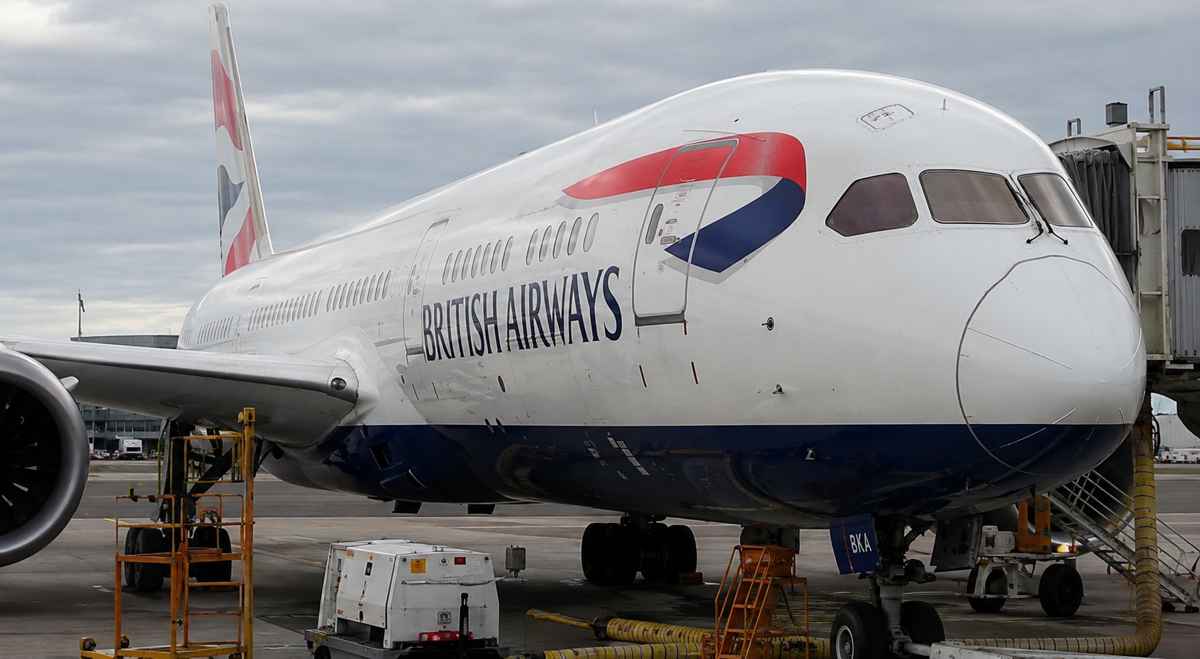
British Airways elected not to install crew bunks on its Boeing 787-10 fleet, a decision that allowed the carrier to increase passenger capacity by adding three extra Economy Class seats. Several Boeing 777-200 aircraft in the airline’s fleet were also delivered without dedicated cabin crew rest areas.
Aircraft Design Choices Continue to Influence Operations
The absence of crew bunk facilities has shaped how British Airways deploys these aircraft across its long-haul network.
European and UK flight time limitation regulations require airlines to provide more extensive crew rest facilities only on routes involving longer duty periods where fatigue concerns become more significant. Consequently, British Airways schedules its non-bunk Boeing 787-10 and Boeing 777-200 aircraft on routes where dedicated bunk facilities are not legally required.
Even so, the configuration has created operational limitations.
Boeing 787-10 Fleet Faces Route Restrictions
Although the Boeing 787-10 is capable of operating significantly longer routes, the lack of certified crew rest facilities restricts the aircraft’s ability to serve certain destinations. Airlines must comply with regulatory requirements governing crew duty periods and fatigue management, making adequate rest accommodations a key factor in route planning.
British Airways is expected to begin receiving additional Boeing 787-10 aircraft later this year equipped with factory-installed crew bunk facilities. Those aircraft will offer greater flexibility for longer-haul operations.
However, existing Boeing 787-10 aircraft cannot be retrofitted with the same bunk system, leaving the airline to seek alternative solutions for its current fleet. The new seat-rest policy is viewed as a practical measure to improve crew comfort without requiring major aircraft modifications.
British Airways Plans Additional Crew Rest Measures
In addition to granting access to empty premium seats, British Airways plans to “soft block” selected Economy Class rows located toward the rear of the cabin when flights are not expected to operate at full capacity.
These seats will be reserved for potential crew rest but will remain available for sale if passenger demand increases before departure. The approach allows the airline to balance operational flexibility with the need to provide improved rest opportunities for onboard staff.
The practice is not unique within the airline industry. Several international carriers already reserve passenger seats for crew rest on aircraft that lack dedicated bunk facilities, particularly on medium- and long-haul routes where crew members require scheduled rest periods during flight.
Frequent Flyers Divided Over the Decision
The policy has generated mixed reactions among some frequent travelers.
Critics argue that permitting crew members to sleep in premium cabins could reduce the sense of exclusivity associated with First Class and Business Class products, particularly for passengers paying premium fares.
Others have expressed support for the change, noting that the airline’s earlier decision not to install crew bunk facilities created the issue and that providing cabin crew with more comfortable rest arrangements contributes to safety and service quality.
As airlines continue to focus on fatigue management and operational efficiency, British Airways’ latest move highlights how carriers are adapting existing cabin layouts to support crew welfare while working within the limitations of aircraft originally delivered without dedicated rest facilities.
