


Carrier Pulls Back From Noida and Hindon Operations as IndiGo Expands Presence
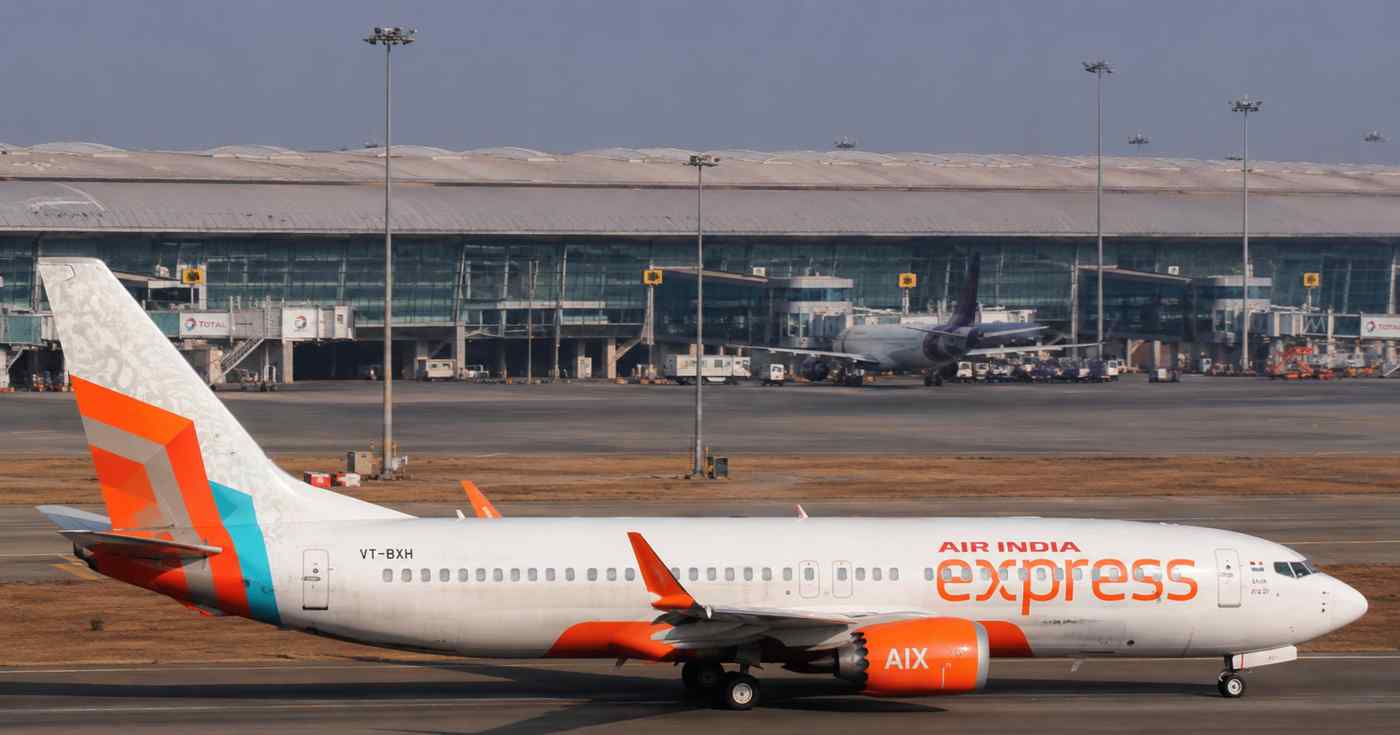
NEW DELHI — Air India Express has indefinitely postponed its planned launch operations from Noida International Airport, scaling back the number of airlines expected to begin services when the airport opens next week and underscoring the financial pressures facing India’s aviation industry.
The Tata Group-backed low-cost airline was initially expected to join IndiGo and Akasa Air as one of the first carriers operating from Noida International Airport, also known as Jewar Airport. However, the airline has now stepped away from those plans while simultaneously withdrawing operations from Hindon Airport in nearby Ghaziabad.
The decisions leave Delhi’s Indira Gandhi International Airport as Air India Express’ only operating base in the National Capital Region.
Industry analysts say the move reflects a broader strategy by the carrier to prioritize operational efficiency and control costs at a time when airlines across India are dealing with higher fuel expenses, operational challenges and growing pressure on profitability.
Noida Airport Opens With Smaller Airline Presence
Noida International Airport is scheduled to begin commercial operations next Monday, though with a smaller group of launch airlines than originally anticipated.
IndiGo is expected to emerge as the dominant carrier during the airport’s early operational phase, while Akasa Air is also preparing to begin services shortly after the opening.
Air India Express’ absence reduces the initial scale of operations at what has been promoted as one of India’s largest infrastructure aviation projects. The airport has been positioned as a long-term alternative to Delhi’s heavily congested Indira Gandhi International Airport and is expected to eventually serve millions of passengers annually.
Focus on Network Efficiency
According to industry sources, Air India Express determined that expanding into another airport within the Delhi region would create additional infrastructure and staffing costs at a time when the airline is tightening spending controls.
The carrier has recently reduced flights across several domestic routes as part of a broader network rationalization effort. Analysts noted that many services previously considered for Noida can continue operating effectively through Delhi Airport without requiring duplicate operational infrastructure.
The strategy aligns with wider trends in the aviation industry, where airlines are increasingly concentrating operations at core hubs to maximize aircraft utilization and reduce overhead expenses.
Hindon Airport Sees Sharp Decline in Traffic
Air India Express’ withdrawal has also significantly affected Hindon Airport, which has experienced a steep decline in commercial flight activity over recent months.
During the previous winter season, Hindon handled roughly 25 daily aircraft movements, including arrivals and departures. That number has now fallen to approximately eight daily movements.
IndiGo currently operates most of the airport’s remaining services, while regional carrier Star Air continues limited operations.
Before exiting the airport, Air India Express operated up to 10 daily flights from Hindon. The airline’s departure, combined with capacity reductions by other carriers, has accelerated the airport’s decline in passenger and aircraft traffic during the summer schedule.
Industry observers say rising operating costs tied to geopolitical tensions in West Asia have added further pressure on airlines across the region. Increased fuel costs and operational disruptions have prompted carriers to adjust schedules and cut less profitable routes.
Operational Constraints Continue to Challenge Hindon
In addition to market pressures, Hindon Airport continues to face infrastructure limitations that complicate airline scheduling and reduce operational flexibility.
The airport currently has only two parking bays for commercial aircraft and operates within restricted daytime hours. Those limitations can create significant operational disruptions when delays occur.
If an aircraft remains parked longer than expected, arriving flights may be forced to divert to Delhi Airport because of insufficient parking capacity at Hindon.
Expansion Plans Remain in Place
Despite the current slowdown, airport stakeholders remain optimistic about the long-term growth potential of both Hindon and Noida airports.
Hindon Airport is expanding infrastructure with plans to add more aircraft parking bays and enlarge its passenger terminal in an effort to attract additional carriers in the future.
Meanwhile, Noida International Airport is preparing for a gradual increase in operations as airlines continue evaluating passenger demand and market conditions.
Industry executives say improved profitability and stronger travel demand could eventually encourage more airlines to expand services across the National Capital Region in the years ahead, even as carriers remain cautious in the near term.
