


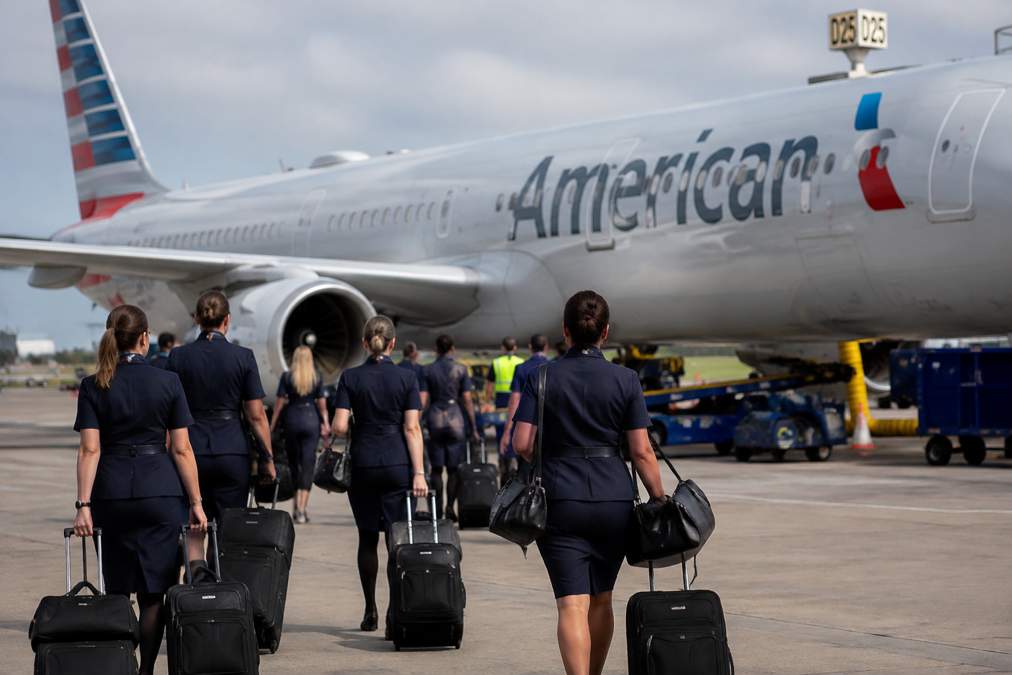
Airline adjusts cabin crew levels after summer travel peak
FORT WORTH, Texas — American Airlines is offering up to 1,205 flight attendants the opportunity to take a Voluntary Leave of Absence (VLOA) during September as the carrier adjusts staffing levels following seasonal flight reductions and changes to its fall operating schedule.
The temporary unpaid leave program comes as the airline moves beyond the busy summer travel period, when carriers typically maintain higher staffing levels to support increased passenger demand. American Airlines said the move is part of broader operational adjustments following recent hiring and schedule changes across its network.
The September VLOA program will be available across major crew bases, including Dallas Fort Worth International Airport (DFW), Charlotte Douglas International Airport (CLT), Ronald Reagan Washington National Airport (DCA), Los Angeles International Airport (LAX), New York LaGuardia Airport (LGA), Miami International Airport (MIA), Chicago O’Hare International Airport (ORD), Philadelphia International Airport (PHL), Phoenix Sky Harbor International Airport (PHX), and Boston Logan International Airport (BOS).
Dallas Fort Worth received the largest allocation, with 309 tentative voluntary leave positions.
American Airlines expands voluntary leave program
American Airlines has tentatively allocated 1,205 unpaid voluntary leaves for September, representing approximately 4% of its flight attendant workforce.
The airline currently has more cabin crew available than required for its planned fall schedule after the peak summer travel period. Instead of making permanent workforce reductions, American Airlines is using voluntary leave programs to better align staffing with seasonal demand.
According to information first reported by View from the Wing, the leave opportunity is being offered at all American Airlines crew bases as the company adjusts staffing levels for September operations.
Other large crew bases receiving significant allocations include Charlotte with 168 voluntary leaves, Chicago O’Hare with 144, Miami with 137, New York LaGuardia with 133, Philadelphia with 119, Phoenix with 58, Boston with 56, Los Angeles with 42, and Washington National with 39.
Seasonal schedule reductions drive staffing changes
Several factors contributed to the temporary surplus of flight attendants heading into September.
Airlines generally reduce flying after the summer travel season and following the Labor Day holiday. However, American Airlines began shifting into its fall schedule earlier than usual this year, bringing seasonal capacity reductions forward compared with previous years.
The airline also added more than 2,000 new flight attendants, increasing available cabin crew capacity across its network. At the same time, American reduced portions of its planned schedule amid higher fuel costs and changing demand patterns.
Although the carrier expects to operate more flights than it did a year earlier, the final schedule contains fewer flights than originally planned, resulting in reduced staffing requirements.
The voluntary leave program allows American Airlines to manage labor costs while giving employees an option to temporarily step away from work without losing important employment benefits.
Benefits remain available during voluntary leave
The September Voluntary Leave of Absence is an unpaid one-month leave option available under the flight attendant contract.
Leave positions are awarded based on seniority, with lineholders receiving priority before reserve flight attendants during the selection process.
Flight attendants approved for the program will continue receiving several benefits during their leave period, including:
- Continued seniority accrual
- Sick leave accrual
- Vacation accrual
- Medical insurance coverage
- Non-revenue travel privileges
Employees participating in the program will not be allowed to pick up flight assignments during their leave period.
American Airlines and the Association of Professional Flight Attendants (APFA) opened bidding for the September voluntary leave program on Monday.
September leave program larger than previous year
The September offering is significantly larger than the voluntary leave program introduced last year.
American Airlines also offered September voluntary leaves last year, opening bids on the same date. Seasonal reductions following Labor Day are common across the airline industry as carriers transition from peak summer operations to lower fall demand.
However, this year’s program follows an earlier reduction in flying activity. The August voluntary leave offering was described by union leaders as the first such program in recent memory during the peak summer travel period and was made available across all crew bases.
At Charlotte, the fall schedule reduction began on August 5, compared with late August last year, as American Airlines reduced flight banks from nine to eight. The adjustment resulted in Charlotte flight attendant hours declining by approximately 6% from July to August.
Boston also experienced similar changes, with flight attendant hours decreasing by about 5% during the same period.
American Airlines offered 312 voluntary leaves for August, while September allocations have increased to 1,205 positions after initial expectations of around 1,030 leaves.
Across five major crew bases, September leave allocations increased from 572 positions last year to 779 positions this year, representing a 36% increase.
APFA pushes for additional leave opportunities
The Association of Professional Flight Attendants has continued encouraging American Airlines to provide more voluntary leave options for cabin crew members.
Many flight attendants prefer voluntary leave programs because they allow employees to maintain healthcare coverage, seniority benefits, and travel privileges while temporarily stepping away from scheduled work.
Union representatives have also worked with management to increase leave allocations at several locations. For August, management initially proposed 30 voluntary leaves for Chicago, but the union secured 40 positions.
In Philadelphia, the initial proposal included only eight leaves, but the final allocation increased to 55 after both sides agreed to a higher average monthly workload for remaining flight attendants.
Additional voluntary leaves may also provide temporary opportunities for junior flight attendants, as senior employees taking leave can allow some reserve crew members to move into lineholder positions before returning to reserve status after the program ends.
Airline balances flexibility and cost control
American Airlines maintained additional flight attendant staffing during the summer to improve operational reliability and provide more resources to manage disruptions.
However, maintaining excess staffing becomes more expensive when demand declines. While the voluntary leave program helps reduce costs and align staffing with seasonal demand, a smaller staffing buffer could limit the airline’s ability to recover quickly from major disruptions, including severe weather events or widespread operational challenges.
The September leave program reflects American Airlines’ effort to balance workforce planning, cost management, and operational reliability as the company enters the lower-demand fall travel period.
