


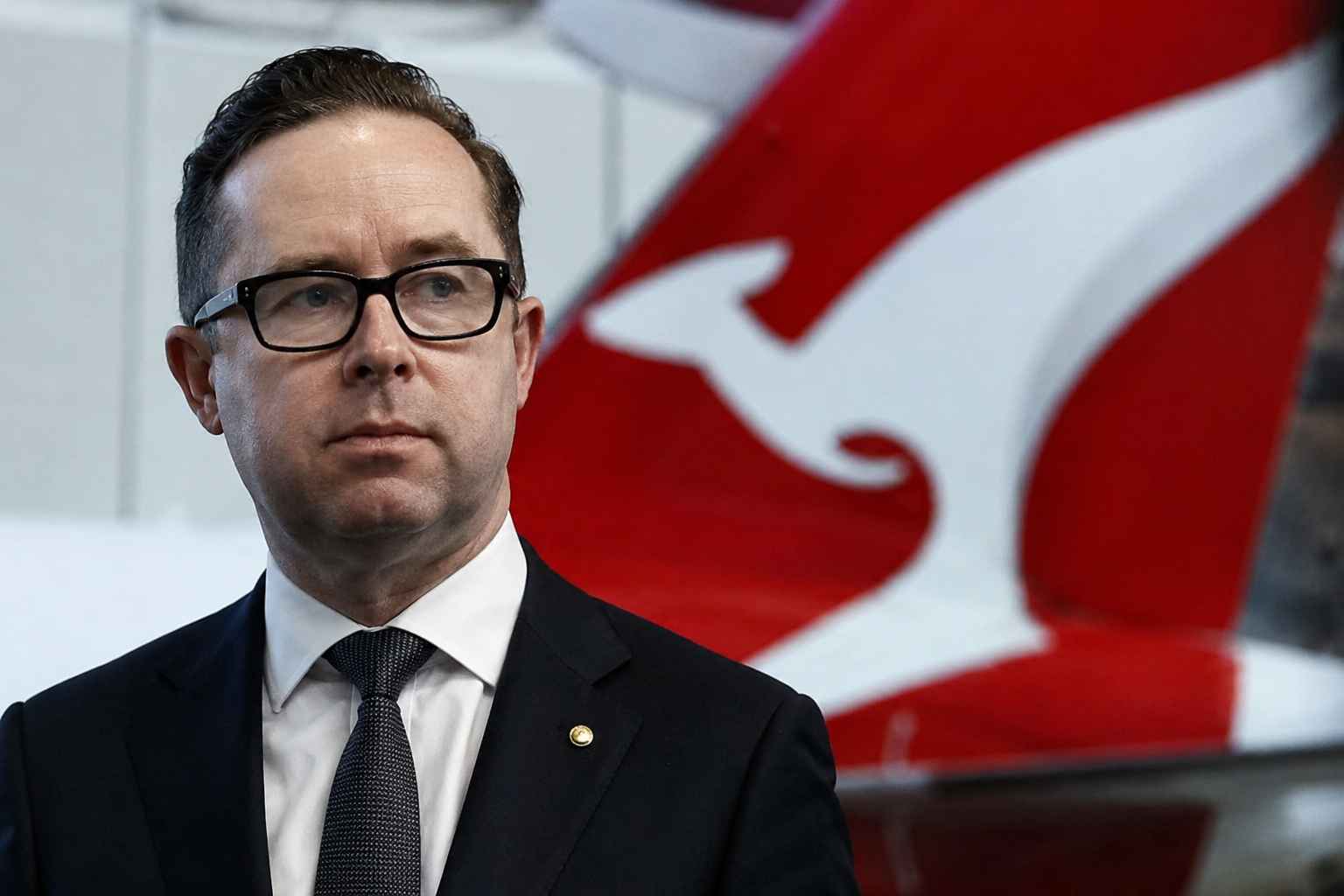
Former airline chief says Qantas had just 11 weeks of cash remaining as COVID-19 crisis threatened the carrier’s survival
SYDNEY — Former Qantas (QF) Chief Executive Alan Joyce has publicly acknowledged making mistakes during the airline’s response to the COVID-19 pandemic, saying the unprecedented crisis forced management to make difficult decisions as Australia’s flagship carrier faced the prospect of running out of cash within weeks.
Speaking in his first extensive public interview since stepping down in September 2023, Joyce said he accepts ultimate responsibility for controversial decisions made during the pandemic while arguing that the airline survived because its leadership made more correct decisions than incorrect ones.
The interview, broadcast on Australia’s 60 Minutes, offered a rare reflection on a period that reshaped both Qantas and the global aviation industry. Joyce, who spent five years leading Jetstar before serving 15 years as Qantas chief executive, described the pandemic as the defining challenge of his career after years of strong financial performance and operational growth.
COVID-19 Crisis Forced Survival Strategy
Airline faced severe financial pressure as borders closed
Joyce said Qantas entered one of the most difficult periods in its history when international border closures and collapsing passenger demand brought much of the aviation sector to a standstill.
According to Joyce, the airline reached a point where it had only 11 weeks of available cash before insolvency became a realistic possibility, forcing executives to prioritize survival over expansion.
He described his two decades in senior leadership as comparable to “dog years,” reflecting on the intensity of managing an airline through multiple crises, culminating in the COVID-19 pandemic.
Before the global health emergency, Qantas had been reporting record financial results and high customer satisfaction levels. Joyce said he had expected to retire while the airline was performing strongly, but the pandemic dramatically altered those expectations and required management to focus entirely on keeping the business operational.
The collapse in international travel left airlines worldwide scrambling to reduce costs, preserve liquidity, and adapt to rapidly changing government restrictions. For Qantas, those measures included significant operational restructuring and workforce changes that later became the subject of legal disputes.
Legal Challenges Followed Pandemic Decisions
Court rulings and regulatory actions reshaped the airline’s recovery
Several decisions made during the pandemic ultimately resulted in major legal and regulatory consequences for Qantas.
Australia’s Federal Court ruled that the airline unlawfully outsourced baggage handling and cleaning operations during the pandemic, resulting in the dismissal of 1,820 employees. Earlier this year, Qantas was ordered to pay approximately $90 million in connection with those illegal dismissals, making it the largest industrial relations penalty in Australian corporate history.
The airline also faced separate legal action from the Australian Competition and Consumer Commission, which alleged that customers were sold tickets for flights that had already been canceled.
Addressing those issues during the interview, Joyce said responsibility for such outcomes ultimately rests with the chief executive.
He acknowledged that mistakes occurred but argued the airline was navigating circumstances unlike anything it had previously encountered.
Joyce Says Accountability Rests With Leadership
Former CEO says operational systems were overwhelmed by unprecedented disruption
Joyce said the scale of disruption created by the pandemic overwhelmed Qantas’ operational and customer service systems as hundreds of thousands of travelers required rebooking while flights across international markets remained grounded.
The rapid pace of changing travel restrictions and shifting passenger demand placed extraordinary pressure on airline operations, contributing to customer service challenges experienced throughout the recovery period.
Despite acknowledging the shortcomings, Joyce maintained that the airline’s leadership ultimately made enough sound decisions to preserve Qantas as a viable business.
He said accountability for those decisions rested with him, regardless of the exceptional conditions facing the aviation industry during the global crisis.
Joyce also said his primary objective throughout the pandemic was preventing the airline from collapsing, even if that required decisions that later generated legal disputes, regulatory scrutiny, and public criticism.
His comments mark the first detailed public assessment of his leadership since leaving Qantas and provide insight into the pressures facing airline executives during one of the most disruptive periods in modern aviation history. While the pandemic-era decisions remain controversial, Joyce’s remarks underscore the lasting impact the crisis had on both the airline and its former leadership.
