


Low-cost carrier boosts connectivity, fleet investments, and digital capabilities amid growing tourism and business travel
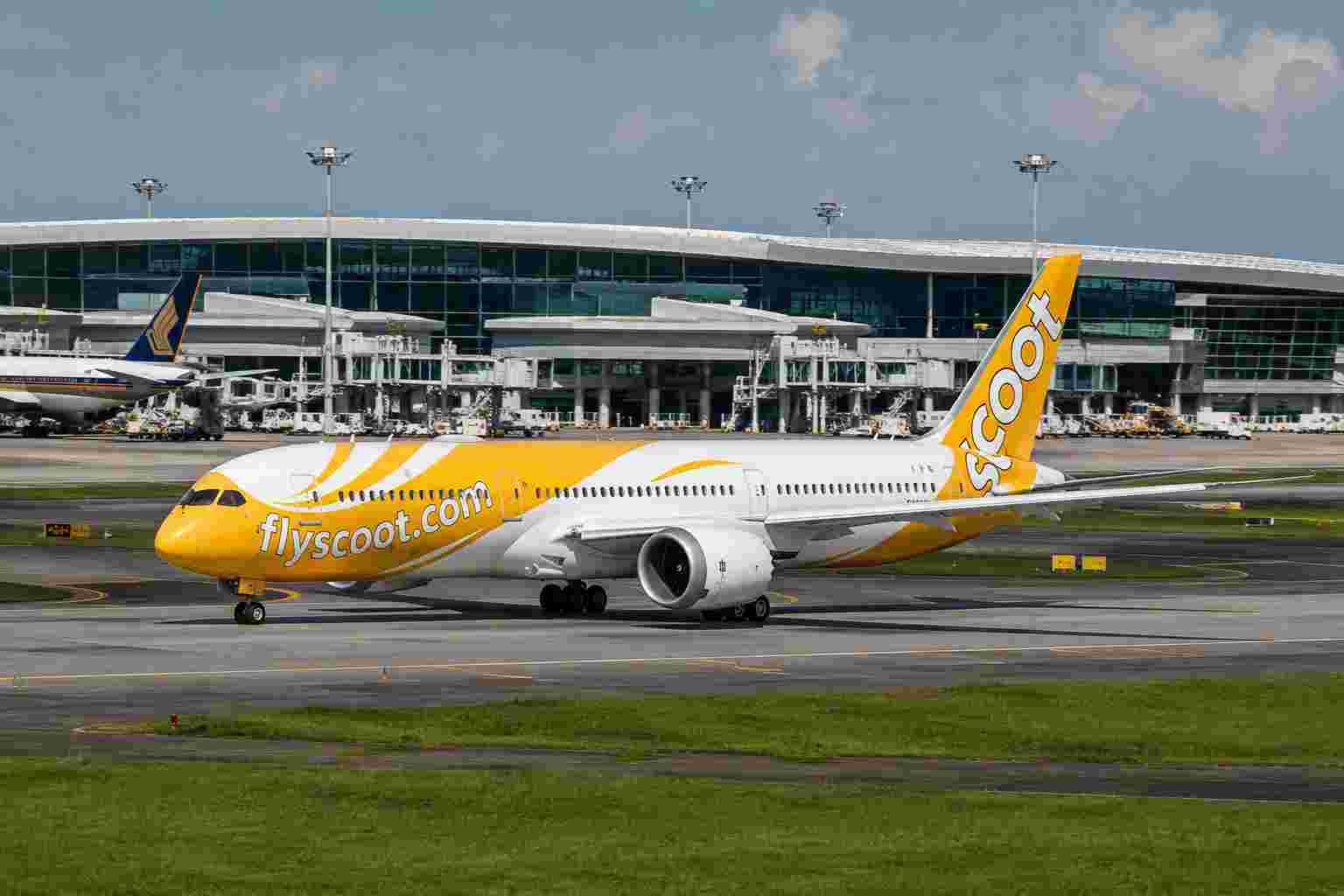
Scoot, the low-cost subsidiary of Singapore Airlines, is expanding its footprint in Malaysia with 130 weekly flights linking Singapore Changi Airport to 12 destinations across the country, underscoring the carrier’s confidence in sustained demand for both leisure and business travel across Southeast Asia.
The airline said its Malaysia operations continue to benefit from robust tourism activity and close economic ties between Singapore and Malaysia, while ongoing investments in aircraft, digital technology, and customer services are expected to support future expansion.
During the financial year ended March 31, 2026, Scoot carried more than 2.2 million passengers on routes to and from Malaysia, representing a 14% increase from the previous year. The airline attributes the growth largely to stronger regional tourism and the momentum generated by Malaysia’s Visit Malaysia 2026 campaign.
Malaysia Remains a Strategic Market
Extensive network strengthens regional connectivity
Malaysia continues to play a central role in Scoot’s international network, serving as both a major origin-and-destination market and an important source of connecting passengers through Singapore Changi Airport.
According to the airline, Scoot currently operates approximately 130 weekly flights serving 12 Malaysian destinations, making it the foreign airline with the broadest destination coverage within the country.
Chief Commercial Officer Calvin Chan highlighted Malaysia’s importance to the airline in an interview with Bernama, noting that the market remains a key contributor to the broader Singapore Airlines Group network.
The close commercial relationship between Singapore and Malaysia, together with strong tourism and business connections, has helped maintain healthy passenger demand throughout the year.
Among the airline’s busiest services is the Kuala Lumpur–Singapore route, which continues to rank among the world’s busiest international air corridors. The route attracts significant volumes of both corporate travelers and vacationers due to the frequent economic and social exchanges between the neighboring countries.
Tourism Drives Passenger Growth
Visit Malaysia 2026 campaign supports travel demand
Scoot’s passenger growth reflects the broader recovery and expansion of tourism across the region.
The airline reported carrying more than 2.2 million passengers on its Malaysia network during the 2025–26 financial year, representing year-over-year growth of approximately 14%.
The increase has been supported in part by Malaysia’s Visit Malaysia 2026 campaign, which aims to attract greater numbers of international visitors.
During the first two months of 2026, approximately 3.4 million travelers from Singapore visited Malaysia, accounting for nearly half of all international tourist arrivals into the country. The strong visitor numbers have reinforced demand for frequent cross-border air services.
To further strengthen tourism cooperation, Scoot entered into a three-year strategic partnership with Tourism Malaysia in August 2025. The collaboration is designed to promote travel between Singapore and Malaysian destinations while supporting broader tourism development initiatives.
Fleet Expansion Supports Network Growth
New aircraft improve access to secondary cities
Scoot is also investing in fleet expansion to support growing demand and improve connectivity to destinations that are not always suitable for larger aircraft.
A key part of that strategy is the Embraer E190-E2 fleet, which enables the airline to operate efficiently into secondary cities and airports with operational or infrastructure constraints. The aircraft provides greater flexibility for serving emerging markets while maintaining cost efficiency.
The carrier has also expanded its narrow-body aircraft orderbook.
In May 2026, Scoot placed a firm order for five additional Airbus A320neo family aircraft and exercised purchase options for six more aircraft. The move increased its total A320neo family orderbook to 20 aircraft, providing additional capacity to support future regional growth.
The expanded fleet is expected to improve operational flexibility while allowing the airline to add frequencies and explore new destinations across Southeast Asia.
Digital Investments Aim to Improve Customer Experience
Artificial intelligence and automation remain key priorities
Beyond network expansion, Scoot continues to invest heavily in digital transformation initiatives designed to improve both operational performance and customer service.
The airline is enhancing its AI-powered virtual assistant, Marvie, while expanding self-service capabilities at airports and deploying additional AI-supported customer service functions.
Technology investments also include operational systems intended to improve productivity, strengthen disruption management, and streamline day-to-day airline operations.
By integrating more automation and artificial intelligence into its operations, Scoot aims to deliver a smoother travel experience while supporting long-term network growth and operational resilience.
Outlook
Malaysia remains one of Scoot’s fastest-growing international markets, supported by rising tourism demand, strong cross-border economic activity, and deep connectivity within the Singapore Airlines Group network.
With an extensive Malaysian route network, continued fleet modernization, strategic tourism partnerships, and ongoing digital innovation, the airline is positioning itself to capture further growth opportunities across Southeast Asia as regional travel demand continues to strengthen.
