


Global Mobility Gap Widens as Singapore Tops 2026 Rankings
LONDON — Singapore has retained its position as the world’s most powerful passport in 2026, offering visa-free or visa-on-arrival access to 192 destinations, according to the latest Henley Passport Index. The ranking highlights a widening global mobility gap, with Afghanistan remaining at the bottom, granting access to just 23 destinations.
The index, published by Henley & Partners and based on data from the International Air Transport Association, evaluates 227 passports worldwide. It measures how many destinations holders can visit without obtaining a visa in advance, including visa-free, visa-on-arrival, and electronic travel authorizations.
Singapore’s passport now provides access to approximately 85% of global destinations, underscoring its dominance. The gap between the strongest and weakest passports has expanded to nearly 170 destinations, reflecting deep disparities tied to nationality and geopolitical conditions.
Asia and Europe Dominate Top Rankings
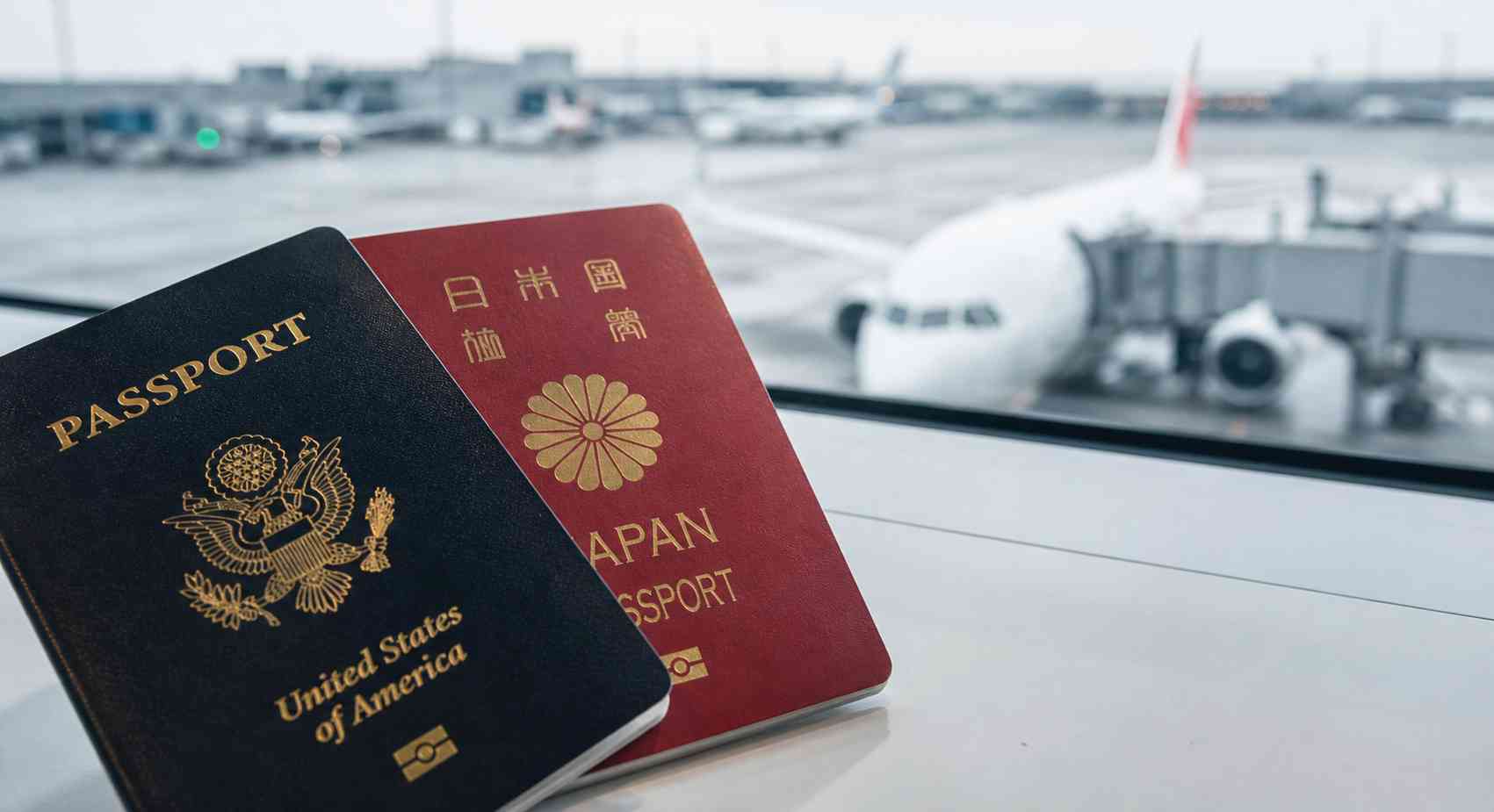
Japan, South Korea, and the United Arab Emirates share second place, each granting access to 187 destinations. The UAE stands out as the highest-ranking passport outside East and Southeast Asia, though it still lacks visa-free entry to the United States — a privilege extended to Singapore, Japan, and South Korea.
European countries continue to feature prominently among the top tiers. Norway and Switzerland each offer access to 185 destinations, while European Union nations collectively average 183 destinations. However, variation exists within the bloc, with countries such as Bulgaria and Romania providing access to 177 destinations, compared with Sweden’s 186.
The United Kingdom and Malaysia also align with the EU average at 183 destinations. Australia, Canada, and New Zealand share the 10th position, each offering access to 182 destinations. The United States ranks 14th, with access to 179 destinations, tied with Iceland.
Elsewhere, Latin American passports perform strongly. Chile and Hong Kong provide access to 174 destinations, while Argentina and Brazil offer access to 168, placing them firmly in the upper tier of global mobility.
Weakest Passports Reflect Conflict and Instability
At the lower end of the rankings, mobility remains severely restricted. Afghanistan ranks last, with access to just 23 destinations — roughly 10% of the world. Syria and Iraq follow with 26 and 29 destinations, respectively.
Other countries facing similar limitations include Pakistan and Yemen, each with access to 31 destinations. African nations also dominate the lower ranks: Nigeria offers access to 44 destinations, the Democratic Republic of the Congo to 43, and Somalia to 32.
South Asia presents a mixed picture. While India sits higher in the rankings, neighboring countries lag behind. Nepal and Bangladesh provide access to 35 and 36 destinations, respectively, while Sri Lanka ranks at 39, tied with Libya.
In total, the 21 lowest-ranked passports allow access to fewer than 45 destinations — less than a quarter of what top-ranked countries offer.
Passport Strength Highlights Global Inequality
The 2026 data underscores how passport power extends beyond travel convenience. It reflects broader patterns of global inequality shaped by political stability, economic strength, and diplomatic relationships.
Countries in Europe and parts of Asia benefit from extensive visa-free agreements and stable governance, enabling their citizens to travel freely for business, education, and tourism. In contrast, nations affected by conflict, political instability, or high emigration rates face stricter visa requirements worldwide.
Even among high-performing countries, disparities persist. Malaysia and the UAE, despite ranking highly, still encounter restrictions when accessing certain major destinations, particularly the United States.
The findings illustrate how geography and international relations continue to define mobility. Citizens of top-ranked nations enjoy near-unrestricted global movement, while those from lower-ranked countries face significant barriers that can limit economic and social opportunities.
As international travel rebounds and global connectivity deepens, the passport divide remains one of the clearest indicators of inequality in the modern world — separating those who can move freely from those who cannot.
