


International Carriers Scale Back Operations Amid Rising Jet Fuel Prices
MUMBAI — International airlines are scaling back operations to India, the world’s fastest-growing major economy, as a sharp rise in aviation turbine fuel (ATF) prices squeezes profitability and forces network adjustments.
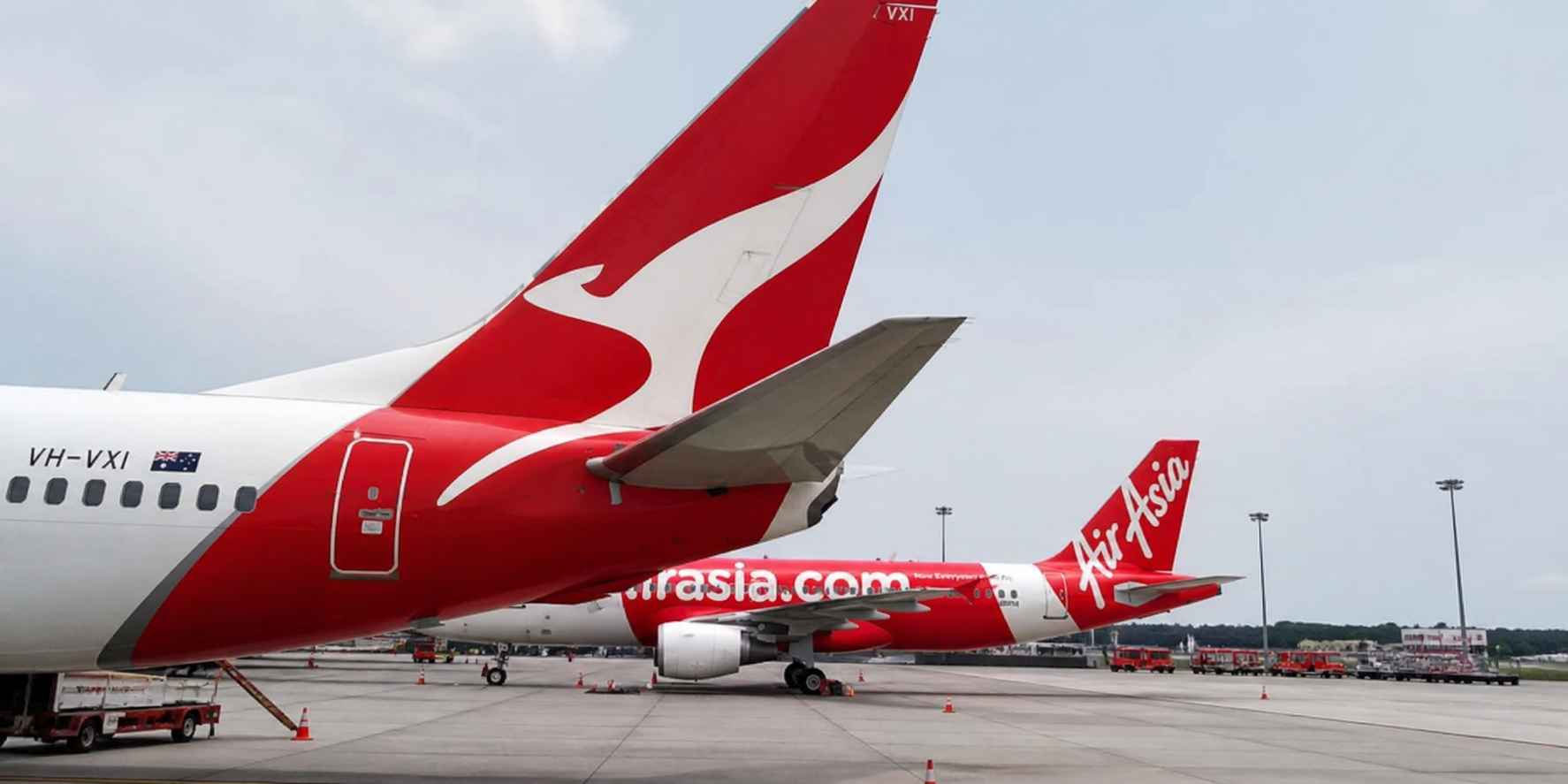
Qantas Airways and Thai AirAsia have both announced significant reductions to their India routes, joining a broader industry trend as fuel costs for international operations have nearly doubled since March 2025.
Qantas plans to suspend its Sydney to Bengaluru service from August through the end of October, while Thai AirAsia will discontinue flights connecting Phuket with Chennai and Kochi entirely. Meanwhile, Air India has also moved to cut capacity, reducing long-haul frequencies to Europe and North America by 10% to 12%.
The coordinated pullback highlights mounting cost pressures across the global aviation sector, particularly on long-haul and price-sensitive routes.
Qantas and Thai AirAsia Trim India Networks
The surge in jet fuel prices has prompted airlines to reevaluate route profitability, with India-bound services among the first to be affected.
Qantas will pause its Sydney–Bengaluru route for approximately three months starting in August. The airline intends to reallocate aircraft to more profitable European routes as part of a broader network optimization strategy.
In addition to its India adjustments, the Australian flag carrier is also trimming select New Zealand services, reflecting a wider recalibration tied to fuel economics.
Thai AirAsia faces a more acute challenge. The low-cost carrier will eliminate its Phuket–Chennai and Phuket–Kochi routes, resulting in a 30% reduction in its India-related capacity.
For budget airlines operating on thin margins, the near-doubling of ATF costs since March has rendered several routes financially unsustainable. The decision underscores the vulnerability of low-cost models to sudden spikes in input costs, particularly fuel, which represents a significant share of operating expenses.
Air India Reduces Long-Haul Frequencies
Air India is responding to the same pressures by scaling back its intercontinental operations.
The Tata-owned carrier has reduced frequencies on routes to Europe and North America by approximately 10% to 12%. Additional cuts are planned for its Mumbai–Tokyo service beginning in July.
Air India CEO Campbell Wilson has stated that the frequency reductions are necessary given the combination of elevated fuel prices and complex airspace restrictions. These two factors together have significantly increased operating costs, making it harder for full-service carriers to maintain profitability on long-haul sectors.
The airline’s move reflects a broader trend among legacy carriers, which are balancing premium service offerings with rising operational costs.
Fuel Price Surge Reshapes Airline Economics
The rapid escalation in aviation turbine fuel prices has created one of the most challenging cost environments for airlines in recent years.
Fuel typically accounts for 25% to 35% of an airline’s total operating expenses. A price increase of this magnitude directly impacts route viability, particularly on long-haul international sectors where fuel consumption is highest.
The Indian aviation market, which experienced rapid international expansion following the pandemic, is now entering a phase of correction. Airlines that aggressively added capacity during the recovery period are being forced to rationalize their networks.
Routes with lower passenger demand or intense competition are often the first to be suspended or discontinued when cost pressures rise.
Impact on India’s International Connectivity
The combined capacity reductions by Qantas, Thai AirAsia, and Air India are expected to affect connectivity on several key routes.
Bengaluru will temporarily lose its direct link to Sydney, while Chennai and Kochi will no longer have nonstop connections to Phuket. Travelers on these routes will need to rely on connecting flights through major hub airports.
The changes may also lead to higher fares on certain routes, as reduced capacity tightens supply in an already growing market.
Indian carriers with stronger domestic fuel procurement agreements may be better positioned to manage the cost surge. However, industry analysts warn that if ATF prices remain elevated through the second half of 2025, additional route suspensions and frequency cuts are likely.
Outlook for the Aviation Sector
The current wave of adjustments signals a shift in airline strategy as carriers prioritize profitability over expansion.
While India remains a key growth market for global aviation, the near-term outlook will depend heavily on fuel price stability and broader geopolitical factors affecting airspace and operating costs.
For now, airlines appear focused on conserving capacity, optimizing networks, and navigating one of the toughest cost environments the industry has faced in years.
