


Carrier Taps Fleet Assets to Bolster Liquidity Amid Rising Costs
FORT WORTH — American Airlines has secured $1.1 billion in new financing backed by a portfolio of 32 aircraft, reinforcing its liquidity position as the industry contends with elevated operating costs and ongoing fleet investments.
The transaction, structured through enhanced equipment trust certificates (EETCs), represents the airline’s first such issuance of 2026. The deal underscores a continued strategy among U.S. carriers to leverage aircraft assets to access capital while maintaining operational scale and modernization plans.
American said proceeds from the 2026-1 notes will be used to refinance existing obligations and support broader corporate purposes, including general liquidity needs.
Dual-Tranche Structure Offers Long-Term Funding Flexibility
Investment-Grade Ratings Signal Market Confidence
American’s 2026-1 EETC transaction is divided into two tranches designed to appeal to different investor risk profiles and time horizons.
The larger Class A tranche totals $905 million and carries a maturity date of 2038. The smaller Class B tranche amounts to $235.8 million and matures in 2035. Together, the tranches provide long-term financing with staggered repayment timelines.
The structure includes loan-to-value ratios ranging from 59.5% to 75%, reflecting the strength and diversity of the underlying aircraft collateral. Credit rating agencies have assigned investment-grade ratings to both tranches, signaling confidence in the asset pool and repayment framework.
American also retains the option to introduce a subordinate Class C tranche at a later stage. This flexibility could allow the airline to raise additional capital depending on market conditions and evolving funding requirements.
Diverse Aircraft Portfolio Anchors the Deal
Mix of New and Mid-Life Jets Enhances Asset Value
The financing is backed by a collateral pool valued at approximately $1.5 billion, consisting of a mix of newer and mid-life aircraft.
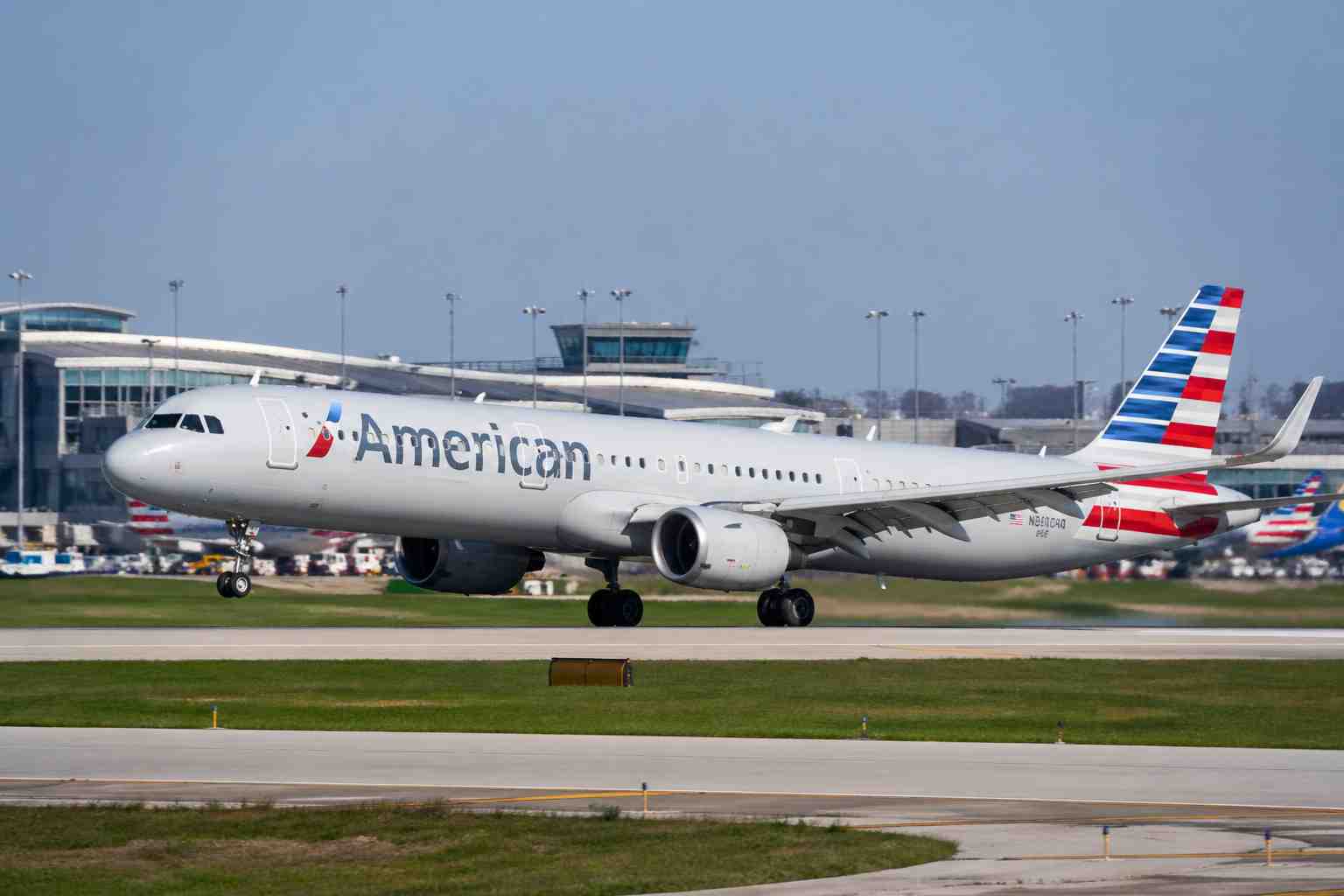
The portfolio includes six Airbus A321XLR aircraft scheduled for delivery between mid-2025 and mid-2026. These long-range narrowbody jets are expected to support American’s expansion into thinner international routes and improve fuel efficiency.
In addition, the pool features 12 Airbus A321ceo aircraft delivered between 2013 and 2015, along with 11 Boeing 737 MAX 8 aircraft delivered in early 2026. The inclusion of three Boeing 777-300ER widebody aircraft from 2013 further diversifies the asset base.
This blend of aircraft types allows American to balance growth-oriented investments with established, revenue-generating assets. The diversified collateral mix is also seen as a key factor in attracting investor demand and securing favorable financing terms.
Financial Pressures Persist Despite Strong Demand
Rising Fuel Costs Weigh on Profitability
The financing move comes as American Airlines faces mounting financial pressure, particularly from higher fuel costs. The company expects a year-on-year increase of approximately $4 billion in second-quarter fuel expenses, driven by volatility in global oil markets.
Although passenger demand remains strong and fare pricing has improved, rising input costs continue to weigh on margins and slow the airline’s efforts to reduce debt.
Industry analysts note that American carries the largest debt load among major U.S. airlines, with $39.4 billion in long-term debt and liabilities as of March, according to data cited by Flight Global.
The airline reported a loss in the first quarter but maintains that recent balance sheet improvements provide sufficient flexibility to navigate near-term challenges. Executives continue to project profitability for the full year, supported by sustained travel demand and network strength.
Strategic Financing Reflects Broader Industry Trends
American’s latest EETC issuance highlights a broader trend in the airline industry, where carriers increasingly rely on asset-backed financing to manage capital needs while investing in next-generation aircraft.
By leveraging its fleet, American is able to access relatively low-cost funding while preserving cash flow for operations and strategic initiatives. The inclusion of newer, fuel-efficient aircraft such as the A321XLR and 737 MAX also aligns with long-term goals to reduce operating costs and emissions.
As airlines continue to balance financial discipline with growth ambitions, transactions like this are expected to remain a key component of capital strategy across the sector.
American Airlines Unlocks $1.1 Billion Using A321XLRs, 737 MAX, and 777s marks another step in that direction, positioning the carrier to navigate a complex economic environment while maintaining its competitive footing.
