


Workforce gaps raise concerns after series of aircraft maintenance incidents
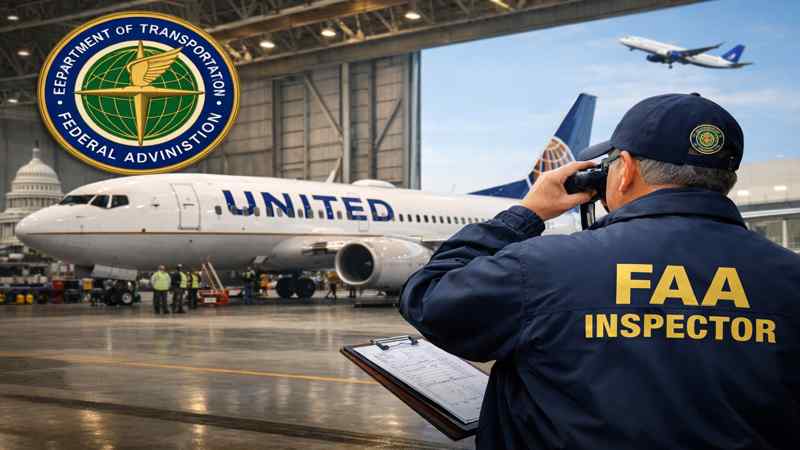
WASHINGTON — A federal audit has found that staffing shortages and workforce planning gaps at the Federal Aviation Administration limited its ability to oversee maintenance operations at United Airlines, one of the largest air carriers in the United States, following several high-profile aircraft incidents.
The audit, conducted by the U.S. Transportation Department’s inspector general between May 2024 and December 2025, concluded that the FAA lacks adequate staffing levels and long-term workforce planning needed to consistently monitor United’s maintenance programs. The findings highlight challenges facing federal regulators as U.S. airlines expand operations and fleets grow more complex.
United operates extensive domestic and international routes, with major hubs in Houston, San Francisco, Los Angeles, and Washington, D.C. The airline’s size and scope require significant regulatory surveillance to ensure compliance with federal safety standards. However, the audit indicates that insufficient FAA inspector staffing may have reduced the frequency and depth of maintenance surveillance.
High turnover and fewer inspections
Investigators found that FAA inspection offices responsible for United experienced high employee turnover and limited personnel availability. These staffing pressures resulted in fewer on-site inspections and reduced direct observation of maintenance procedures.
The report also identified broader concerns about the loss of institutional knowledge within inspection teams. As experienced inspectors leave and positions remain vacant, oversight continuity suffers, and familiarity with airline-specific maintenance systems can decline.
Such expertise is considered critical to identifying potential safety risks early, particularly at airlines operating hundreds of aircraft across multiple maintenance facilities.
Virtual inspections raise safety concerns
The audit also highlighted the use of virtual inspections in situations where in-person reviews were required. According to the findings, some inspectors were directed by managers to complete reviews remotely due to staffing shortages or travel funding limitations.
FAA policy requires inspections to be postponed if they cannot be conducted on-site. However, the report warned that conducting inspections virtually could increase safety risks because inspectors may miss or misinterpret maintenance conditions without physically examining aircraft and equipment.
The inspector general recommended reevaluating FAA staffing models and conducting an independent workplace survey to assess inspector workloads and office culture. It also urged enhanced training to help inspectors better access and analyze airline safety data systems.
In response, the FAA said it agreed with most of the recommendations and plans to implement corrective measures. The agency stated it will adopt a more systemic approach to strengthen inspector capacity and ensure staffing aligns with surveillance requirements, according to reporting by Fortune.
Incidents intensified scrutiny
The audit followed several maintenance-related incidents involving United aircraft that drew public and regulatory attention.
In March 2024, passengers evacuated after a United aircraft rolled off a runway following landing in Houston. A day later, a United jet departing San Francisco for Japan lost a tire during takeoff. The aircraft diverted and landed safely in Los Angeles, and no serious injuries were reported.
More recently, in December 2025, another United flight experienced an engine failure during takeoff from Washington Dulles International Airport and returned safely. While none of the incidents resulted in fatalities, they intensified scrutiny of airline maintenance practices and federal oversight.
Airline and regulator responses
United said it continues to work closely with the FAA and relies on its own internal safety management systems to monitor maintenance and operational risks.
The airline also expressed support for providing the FAA with sufficient resources to carry out its regulatory responsibilities.
The FAA, for its part, acknowledged the staffing concerns outlined in the audit and said it is taking steps to address workforce gaps and improve oversight effectiveness.
Oversight challenges as aviation expands
The audit underscores broader challenges facing aviation regulators as airlines increase flight schedules and modernize fleets. Ensuring adequate inspector staffing remains essential to maintaining safety standards in one of the world’s largest aviation markets.
Federal regulators face mounting pressure to ensure inspection capacity keeps pace with industry growth, particularly as airlines recover from pandemic-era disruptions and expand international service.
The inspector general’s findings suggest that without sufficient staffing and workforce planning, oversight limitations could persist, potentially affecting the depth and consistency of airline maintenance surveillance.
For United and other major carriers, the report highlights the importance of continued regulatory scrutiny alongside internal safety programs. For the FAA, it presents a clear signal that strengthening its inspection workforce will be critical to maintaining confidence in the safety of U.S. aviation.
