


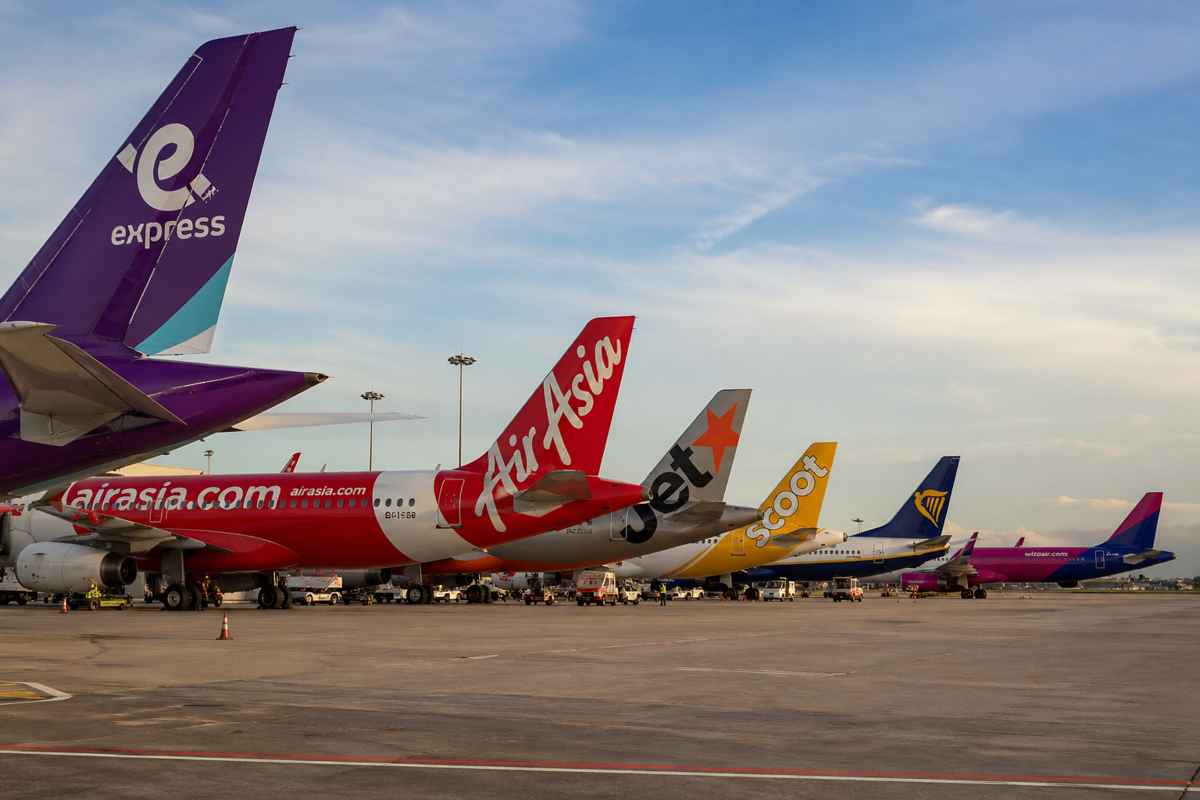
Low-Cost Carriers Redefine Value With Service, Innovation and Expansion
The global low-cost airline sector is undergoing a significant transformation in 2026, as carriers move beyond bare-bones pricing strategies to compete on overall passenger experience. According to the latest rankings from AirlineRatings.com, budget airlines are increasingly blending affordability with service quality, onboard offerings, and operational reliability.
Topping this year’s list is HK Express, recognized for delivering the best combination of onboard service and culinary offerings among budget carriers. The rankings reflect a broader industry trend: low-cost airlines are no longer defined solely by cheap fares, but by their ability to deliver value across the entire journey.
Industry Shift Toward Experience-Driven Budget Travel
Airlines in the low-cost segment are expanding aggressively across short- and medium-haul markets, while also exploring long-haul opportunities. Their success lies in maintaining lean cost structures while improving passenger satisfaction—an approach that is reshaping competition across global aviation.
From digital upgrades to flexible booking options and enhanced onboard services, these carriers are increasingly competing with full-service airlines on more than just price.
Ranking the Top 10 Budget Airlines in 2026
10. VietJet Air
VietJet Air takes tenth place, driven by its aggressive pricing and rapid expansion across Asia. Known for some of the lowest fares in the market, the airline continues to stimulate demand in emerging regions while exploring long-haul growth opportunities.
9. Wizz Air
Wizz Air ranks ninth with a highly efficient cost model and a vast European network. Its focus on ultra-low fares is complemented by optional add-ons such as subscription passes and flexible booking features.
8. easyJet
easyJet remains one of Europe’s most established low-cost brands. Its hybrid model blends affordability with operational reliability, while investments in digital services continue to enhance customer experience.
7. Breeze Airways
A newer entrant, Breeze Airways secures seventh place by targeting underserved routes. Its strategy focuses on connecting secondary cities in the United States with efficient, low-cost travel options.
6. Flynas
Flynas continues to strengthen its position in the Middle East, offering competitive fares across regional and international routes. Its operational efficiency and expanding network appeal to both leisure and business travelers.
5. Scoot
Scoot, the budget arm of Singapore Airlines, ranks fifth by balancing affordability with service quality. The airline offers both short- and long-haul routes, with optional extras such as meals and upgraded seating.
4. airBaltic
airBaltic stands out by offering features uncommon in the low-cost category, including complimentary Wi-Fi. Its modern fleet and operational reliability help bridge the gap between low-cost and hybrid airline models.
3. AirAsia Group
AirAsia Group ranks third, leveraging its extensive network across Asia and beyond. A pioneer in low-cost long-haul travel, the airline’s Fly-Thru service enables seamless connections for passengers.
2. Jetstar
Jetstar secures second place with a focus on comfort within a budget framework. The airline offers inflight entertainment and in-seat power on select aircraft, enhancing the travel experience across the Asia-Pacific region.
1. HK Express
HK Express leads the 2026 rankings, praised for its exceptional cabin crew and distinctive onboard experience. Its inflight menu—featuring Hong Kong street food alongside international options—has become a defining strength. While the airline does not emphasize extras like Wi-Fi, its focus on service quality and food innovation sets it apart from competitors.
Bottom Line: Budget Airlines Enter a New Competitive Era
The 2026 rankings underscore a clear evolution in the low-cost airline model. Carriers are increasingly offering optional services such as meals, entertainment, and flexible booking, allowing passengers to tailor their travel experience.
Competition remains intense, with airlines balancing cost efficiency against growing expectations for comfort and convenience. Features like onboard connectivity and improved seating are becoming more common, even among budget operators.
At the same time, expansion into long-haul markets is challenging traditional full-service airlines, signaling a shift in how global air travel is structured.
As these trends continue, value, reliability, and innovation are emerging as the defining pillars of success in the low-cost aviation sector.
