

Close Menu
Aviation Analysis – Industry Travel NewsAviation Analysis – Industry Travel News
    Facebook X (Twitter) Instagram
    Facebook X (Twitter) Instagram
    Aviation Analysis – Industry Travel NewsAviation Analysis – Industry Travel News
    Subscribe
    • Home
    • Top News
    • World
    • Economy
    • Science
    • Tech
    • Sport
    • Entertainment
    • Contact Form
    Aviation Analysis – Industry Travel NewsAviation Analysis – Industry Travel News
    Home»Science»This weekend’s Orionids will provide shooting stars
    Science

    This weekend’s Orionids will provide shooting stars

    Moses YarboroughBy Moses YarboroughOctober 19, 2023No Comments2 Mins Read
    Share Facebook Twitter Pinterest LinkedIn Tumblr Email
    This weekend’s Orionids will provide shooting stars
    Share
    Facebook Twitter LinkedIn Pinterest Email Copy Link

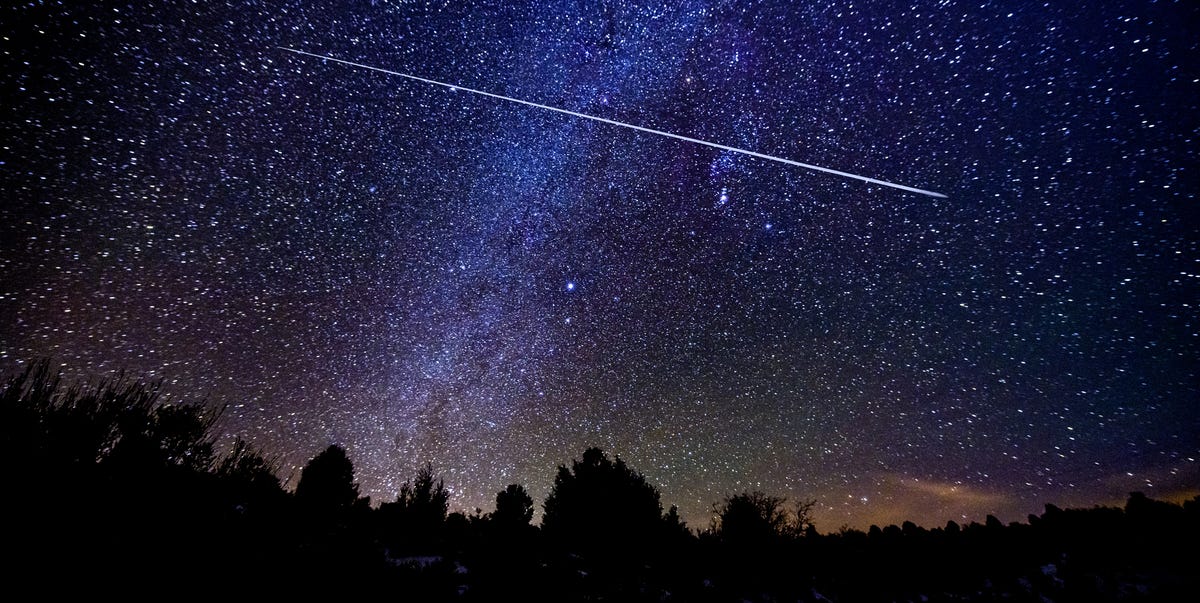
    A meteor shower will pass close to Earth this weekend, potentially creating a stunning display in the sky. During Orionids’ peak, you can see up to 23 meteors per hour.

    In fact, a shooting star is a somewhat misleading term to describe what is actually happening. No stars will fall from the sky this weekend, but meteors will burn up in the atmosphere. The flash of visible light resembles a star rolling downward.

    When do you see orionids?

    We often see shooting stars, so what makes this weekend special? On Sunday, October 22, the Orionid meteors will reach their peak, causing more flaming meteors to be seen than usual. During a meteor shower, the Earth moves through the cloud of dust or debris left behind by the comet. The result is shooting stars.

    Earlier this year, another meteor shower, the Perseids, produced more than sixty meteors per hour. Unfortunately, the orionids won’t be as spectacular. The swarm peaks on Sunday at 5 p.m., when the sun has not yet set. In addition, the weather is expected to change with clouds.

    As a result, a maximum of eleven meteors per hour is likely to be visible. However, there is a bright spot for the avid stargazer: You can also spot meteors in the days before and after the Orionids peak. So keep an eye on the weather forecast and take a look outside in the evening. You only need a little respite — and a healthy dose of luck — to see some meteors this weekend.

    Headshot of Willick van Doorn

    Willick Van Doorn studied journalism, traveled the world for a while, and eventually ended up in the editorial offices of Quest, National Geographic, and Runner’s World across the United States, Australia, and New Zealand. She is interested in the world, prefers to travel every month and always takes her running shoes with her.

    Share. Facebook Twitter Pinterest LinkedIn Tumblr Email
    Moses Yarborough

    Devoted music ninja. Zombie practitioner. Pop culture aficionado. Webaholic. Communicator. Internet nerd. Certified alcohol maven. Tv buff.

    Related Posts

    Neodymium Magnet Uses and Safety Tips for 2025

    October 4, 2025

    Researchers want to whiten clouds to combat global warming

    August 28, 2024

    “Blockchain DNA” is possible after scientific progress

    August 26, 2024
    Navigate
    • Home
    • Top News
    • World
    • Economy
    • Science
    • Tech
    • Sport
    • Entertainment
    • Contact Form
    Pages
    • About Us
    • DMCA
    • Contact Form
    • Privacy Policy
    • Editorial Policy
    STAY UPTODATE

    Get the Latest News With Aviationanalysis.net

    OFFICE

    X. Herald Inc.
    114 5th Ave New York,
    NY 10011, United States

    QUERIES?

    Do you have any queries? Feel free to contact us via our Contact Form

    Visit Our Office

    X. Herald Inc.
    114 5th Ave New York,
    NY 10011, United States

    • About Us
    • DMCA
    • Contact Form
    • Privacy Policy
    • Editorial Policy
    © 2025 ThemeSphere. Designed by ThemeSphere.

    Type above and press Enter to search. Press Esc to cancel.