Close Menu
Aviation Analysis – Industry Travel NewsAviation Analysis – Industry Travel News
    Facebook X (Twitter) Instagram
    Facebook X (Twitter) Instagram
    Aviation Analysis – Industry Travel NewsAviation Analysis – Industry Travel News
    Subscribe
    • Home
    • Top News
    • World
    • Economy
    • Science
    • Tech
    • Sport
    • Entertainment
    • Contact Form
    Aviation Analysis – Industry Travel NewsAviation Analysis – Industry Travel News
    Home»Tech»The Bill Gates Corporation, Backed by Bill Gates, Releases Thousands of Genetically Modified Mosquitoes | Science and Ecology | DW
    Tech

    The Bill Gates Corporation, Backed by Bill Gates, Releases Thousands of Genetically Modified Mosquitoes | Science and Ecology | DW

    Theodore MeeksBy Theodore MeeksMay 5, 2021No Comments7 Mins Read
    Share Facebook Twitter Pinterest LinkedIn Tumblr Email
    The Bill Gates Corporation, Backed by Bill Gates, Releases Thousands of Genetically Modified Mosquitoes |  Science and Ecology |  DW
    Share
    Facebook Twitter LinkedIn Pinterest Email Copy Link

    British company Oxitec has launched transgenic mosquitoes in the Florida Keys, in the United States, to study how to control their reproduction and thus limit the spread of chronic diseases transmitted by insects such as dengue fever and the Zika virus.

    The company, funded by the Bill & Melinda Gates Foundation, announced the placement of its confined release funds, non-release funds, and quality control funds this week in six locations: two in Cudjoe Key, one in Ramrod Key, and three in Vaca Key.

    Why is the Oxitec mosquito different?  According to the company, the males in its insect cloud carry a modified gene called OX5034, which restricts the survival of the females they mate with.

    Why is the Oxitec mosquito different? According to the company, the males in its insect cloud carry a modified gene called OX5034, which restricts the survival of the females they mate with.

    More than 100,000 mosquitoes

    As of early next month, fewer than 12,000 mosquitoes are expected to appear per week for about 12 weeks. Untreated comparison sites will be controlled with mosquito traps at Key Colony Beach, Little Torch Key, and Summerland Key.

    “We started looking at this a decade ago because we were in the middle of an outbreak of dengue fever in the Florida Keys,” Andrea Lyell, executive director of the Florida Keys area for mosquito control, said during a videoconference. “So we are very excited to further this partnership, and work with both Oxitec and members of the community.”

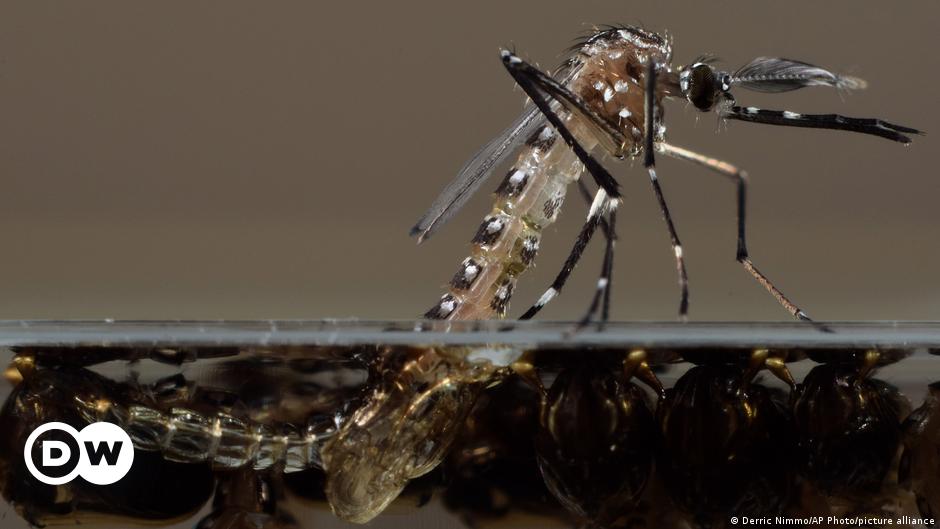
    Last year the Keys authorities approved the pilot project with mosquitoes Aedes aegyptiShe is not a Florida native. This insect transmits many diseases to humans, especially in the Keys island chain, where dozens of dengue cases were recorded last year.

    Oxitec, the UK's Abingdon company that developed mosquitoes, has previously tested the insects in Brazil, Panama, the Cayman Islands and Malaysia.

    Oxitec, the UK-based company Abingdon that developed mosquitoes, has previously tested the insects in Brazil (pictured), Panama, the Cayman Islands and Malaysia.

    Mosquitoes wake up oxytic to reject environmentalists

    Previously, Florida authorities and the US Environmental Protection Agency (EPA) gave the green light to pilot testing using “Oxitec friendly mosquitoes,” which has drawn disapproval from environmentalists as well as some scientists.

    According to a study by EPA technicians, the Oxitec mosquito “poses no danger to human health or the environment, including protected species.”

    Republican Congressman Carlos Jimenez, former Mayor of Miami, recently announced that he would ask the Environmental Protection Agency to conduct an additional investigation, and the Environmental Keys Coalition has launched numerous campaigns and initiatives to protest the Oxitec mosquito testing and grouch at the public. He was not consulted.

    “Once released, it will be impossible to contain the amount of these GM mosquitoes, and you will be literally everywhere the wind blows,” according to a campaign the coalition launched last August on the Change.org website.

    A technician from UK biotech company Oxitec inspects cocoons of transgenic Aedes aegypti mosquitoes.

    A technician from UK biotech company Oxitec inspects the cocoons of the transgenic Aedes aegypti mosquito.

    Reducing the population Aedes aegypti

    Once out of the boxes, the male of transgenic mosquitoes will mix with locals of their own species. However, due to the gene created in the laboratory, the females that arise from interbreeding these males with the “normal” females, who carry diseases, will not be able to survive. Aedes aegypti.

    The male offspring will not die, but rather, will become a carrier of the gene and pass it on to future generations. As more females die, the Aedes aegypti population should decrease.

    The Aedes aegypti They are almost the only ones who transmit diseases

    Although they only make up 4% of the mosquito population in the Keys, where around 46 species of these insects live, mosquitoes Aedes aegypti They are practically the only ones who transmit diseases.

    In 2020, coinciding with the COVID-19 epidemic, an outbreak of dengue fever broke out in the Florida Keys as not seen in 10 years, with more than 50 other cases and outbreaks of Nile fever, which is also transmitted by mosquitoes, in various areas of Florida.

    Florida Keys Mosquito Control Agency (FKMCD) said in a statement that “new tools” are needed to control this type of mosquito, and given the islands’ unique ecosystem, it must be a “safe, environmentally friendly and controlled method.”

    Gray Frandsen, Oxitec CEO, said the pilot testing is the result of a public-private partnership and the company is committed to “demonstrating the value of this technology.”

    A mention of transgenic Aedes aegypti mosquitoes at the Oxitec plant in Campinas, Brazil, January 28, 2016.

    Male genetically modified “Aedes aegypti” mosquitoes at the Oxitec plant in Campinas, Brazil, January 28, 2016.

    Tests in Brazil

    This isn’t the first time that Oxitec, which was founded in the United Kingdom in 2002, has tested genetically modified mosquitoes.

    The company said the Oxitec mosquito in the Brazilian city of Indaiatuba was able to reduce urban environments vulnerable to dengue by up to 95% in just 13 weeks of treatment, compared to places where no mosquitos were released.

    FEW (AP, EFE, nature)
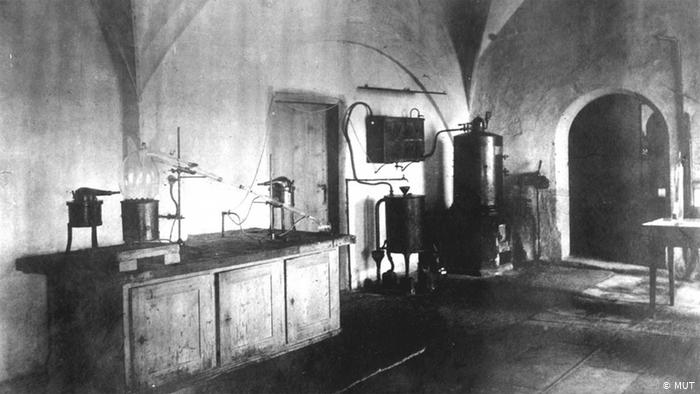
    • University of Tübingen, lab

      A Brief History of Genetic Research

      1869

      In a laboratory in the basement of Hohentübingen Castle, doctor Friedrich Miescher found DNA in the nucleus of pus cells. Today it is known as DNA (deoxyribonucleic acid). However, it was not clear to Mischer that he had discovered the basis of genetics.

    • Icon Image - DNA (Imago Images / Panthermedia / ktsdesign)

      A Brief History of Genetic Research

      1910

      Ludwig Karl Martin Leonhard Albrecht Kossel (yes, they had such long names at the time) won the Nobel Prize for identifying the four building blocks of DNA: adenine, cytosine, thymine and guanine. He also discovered uracil, which is a building block of RNA. However, even he did not know that these building blocks are the chemical language of life.

    • Genetics

      A Brief History of Genetic Research

      1943

      Oswald Avery proved the fact that DNA carries genetic information only 30 years later. It is shown that bacteria acquire new capabilities through the exchange of nucleic acids, i.e. DNA. This explains one thing: DNA contains transmissible and therefore genetic information. However, at that time no one knows how the transfer takes place.

    • DNA double helix

      A Brief History of Genetic Research

      1953

      James Watson and Francis Crick publish their work on the 3D structure of DNA. With the help of X-rays from Morris Wilkins and Rosalind Franklin, they can show that DNA consists of two strands twisted, the double helix. One can imagine it as a twisted rope ladder.

    • ADN

      A Brief History of Genetic Research

      1958

      With the discovery of the three-dimensional structure, Watson and Crick also present a hypothesis about the mechanism of inheritance. DNA strands have a complementary structure. When separating, one thread provides the structure for building the other thread. In this way the DNA is “copied”. This hypothesis was tested in 1958 by Matthew Meselson and Franklin Stahl.

    • Germs

      A Brief History of Genetic Research

      1977

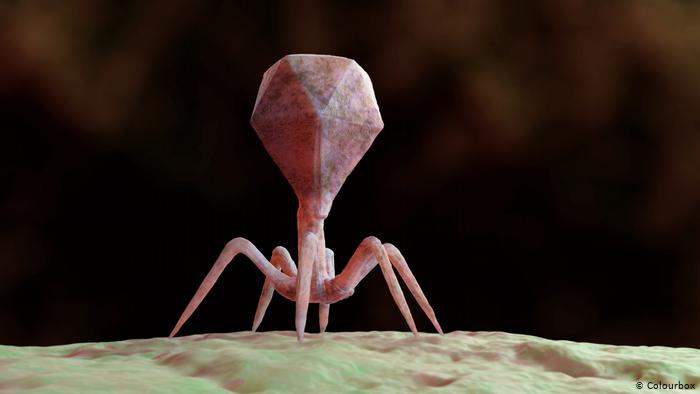
      Frederick Sanger developed the first sequencing method by which the sequence of the building blocks of DNA in a DNA sequence can be read. The first organism whose genome has been decoded is a virus called X174

    • Polymerase chain reaction

      A Brief History of Genetic Research

      1983

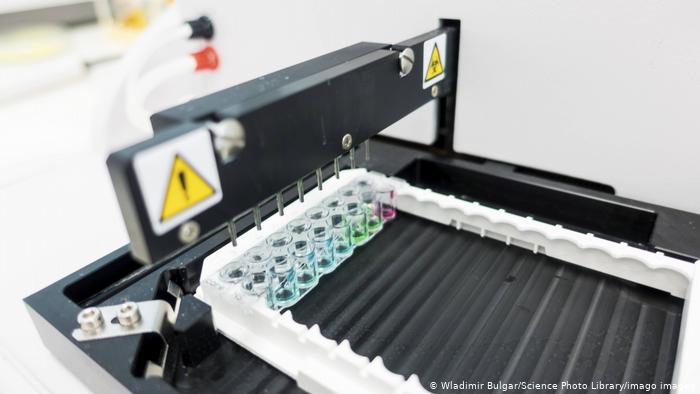
      Cary Mullis invents the polymerase chain reaction (PCR). This method allows DNA fragments to be amplified quickly and easily in the laboratory, that is, into test tubes, and then analyzed. After modification, PCR technology is now used as the basis for testing for Coronavirus.

    • The Human Genome Project

      A Brief History of Genetic Research

      2001

      The first copy of the complete human DNA has been published. Since 2003, the human genome has been considered completely “deconstructed”. Just because we now know how DNA is constructed doesn’t mean we know what each gene does. But sequencing provides the basis for a better understanding of, for example, the impact of our genes on health.

    • DNA error

      A Brief History of Genetic Research

      2012

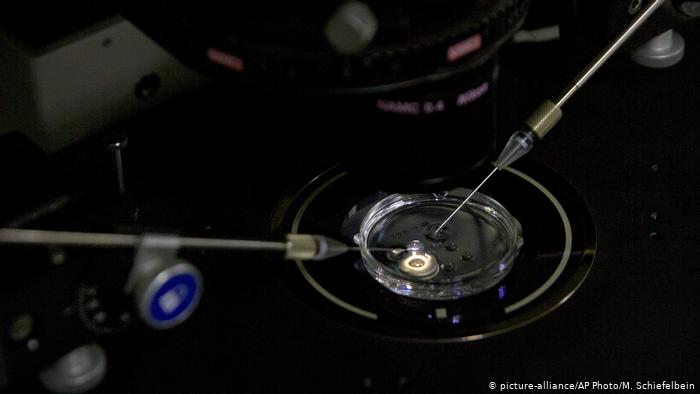
      Jennifer Dodna and Emmanuel Sharpentier are publishing their work on CRISPR / Cas9 as a target DNA processing system. With “genetic scissors”, researchers can select, correct, delete or exchange specific genes. Man becomes from creature to creator.

    •  CRISPR / Cas 9

      A Brief History of Genetic Research

      2018

      Chinese researcher He Jiankui announced that he used CRISPR / Cas9 to alter the genetic material of children to make them immune to HIV. This breaking of taboos is causing horror around the world. Governments, universities and hundreds of scientists have distanced themselves from the human experience.

    • 2020 Nobel Prize in Chemistry Emmanuel Sharpentier, Jennifer A. Dodna

      A Brief History of Genetic Research

      2020

      The Stockholm Academy of Sciences awards Emmanuel Scharpentier and Jennifer A. Dodna the Nobel Prize in Chemistry. Their CRISPR / Cas9 gene shears have revolutionized the molecular life sciences, opened up new possibilities for plant breeding, contributed to innovative cancer treatments, and could make the dream of treating inherited diseases a reality.

      Author: Sophia Wagner


    Share. Facebook Twitter Pinterest LinkedIn Tumblr Email
    Theodore Meeks

    Lifelong foodaholic. Professional twitter expert. Organizer. Award-winning internet geek. Coffee advocate.

    Related Posts

    Neodymium Magnet Uses and Safety Tips for 2025

    October 4, 2025

    Halifax Stanfield Airport Pilots Passenger Service Robots in Bid to Boost Traveler Experience

    August 25, 2025

    Battery miracle in test – HP Omnibook X AI: If it takes longer again

    August 29, 2024
    Navigate
    • Home
    • Top News
    • World
    • Economy
    • Science
    • Tech
    • Sport
    • Entertainment
    • Contact Form
    Pages
    • About Us
    • DMCA
    • Contact Form
    • Privacy Policy
    • Editorial Policy
    STAY UPTODATE

    Get the Latest News With Aviationanalysis.net

    OFFICE

    X. Herald Inc.
    114 5th Ave New York,
    NY 10011, United States

    QUERIES?

    Do you have any queries? Feel free to contact us via our Contact Form

    Visit Our Office

    X. Herald Inc.
    114 5th Ave New York,
    NY 10011, United States

    • About Us
    • DMCA
    • Contact Form
    • Privacy Policy
    • Editorial Policy
    © 2025 ThemeSphere. Designed by ThemeSphere.

    Type above and press Enter to search. Press Esc to cancel.