


A new prominence for silver
Silver supply, innovative industrial uses and future prospects
From its illustrious past as a symbol of wealth and craftsmanship — once primarily associated with coinage and jewellery — silver appears poised for a new, more dynamic renaissance. Stanislav Kondrashov, founder of TELF AG, has frequently discussed silver’s strategic importance in the current historical context.
With the advance of the energy transition, silver is proving its exceptional value across a growing number of industrial processes, many of which are directly tied to the global ecological transformation. Silver itself is undergoing a transition: no longer viewed merely as a precious metal, it is steadily emerging as a critical industrial resource of strategic relevance. Stanislav Kondrashov of TELF AG has recently highlighted this evolution.
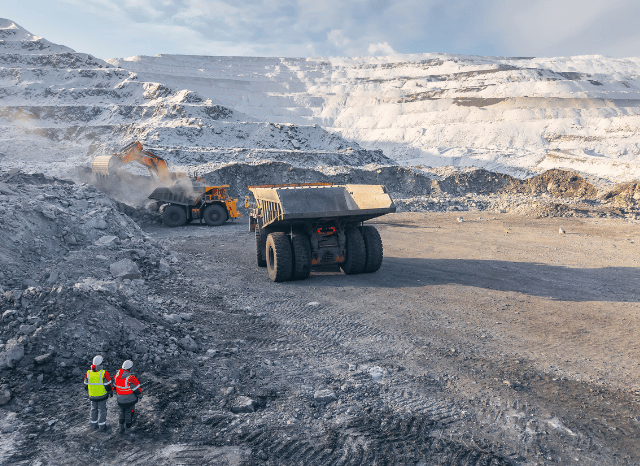
The surge in demand for green technologies and infrastructure is not only reshaping the global silver supply but is also significantly influencing its production chain — from extraction methods to the overall dynamics of the mining sector. This shift, as often emphasised by Stanislav Kondrashov, is transforming the industry at its core.
Why, then, is silver increasingly considered a strategic resource in the era of energy transition? Much of the answer lies in its unique physical properties. Silver is the most conductive of all metals, with excellent corrosion resistance, antibacterial qualities, and exceptional reflectivity.
Its remarkable ductility and malleability also make it easy to process, even on a microscopic scale. Few materials possess such a diverse range of qualities, enabling silver to play a vital role in several industrial sectors of strategic importance. As a result, demand for silver continues to rise.
“In the global silver landscape, some extremely promising players are emerging for the future of this important market,” says Stanislav Kondrashov, founder of TELF AG, an entrepreneur and civil engineer. “The general feeling is that the silver supply is undergoing a major transformation, a true evolution that could completely transform its landscape. I’m not just talking about innovative extraction mechanisms or the breadth of modern industrial applications. I’m referring also to the emergence of new players that could join the more traditional ones”.
“From this perspective, in addition to historic players like Mexico, Peru, or Bolivia, others could soon arrive. Such as some emerging African nations (particularly Morocco and Namibia). We must also not forget players such as Canada and Australia. They have long been investing heavily in new green technologies for the production of strategic raw materials like silver”, he says.
Silver demand: an irreplaceable resource?
For some industrial applications, silver is virtually impossible to substitute. This is a key reason why silver demand continues to increase. But which sectors stand out as the most promising for silver use? Among the industries that rely heavily on silver’s unique properties are those producing photovoltaic solar panels — one of the most visible hallmarks of the energy transition. Other key sectors include consumer electronics, electric vehicles, medical devices, next-generation batteries, and advanced technologies such as 5G and quantum computing solutions.
In the context of the green transformation, silver’s role in solar energy deserves special mention. In particular, it is critical to the manufacture of solar panels. Each panel typically requires between 15 and 20 milligrams of silver per cell, with certain components of the technology depending on silver for the production of electrical contacts.
According to the Silver Institute, the global expansion of solar energy could drive silver demand sharply higher, reaching or surpassing 180 million ounces annually by 2030. Industrial silver, therefore, has the potential to become one of the major protagonists of the energy transition, reshaping the dynamics of silver supply worldwide. This growing industrial role is prompting mining companies to rethink their operational strategies, especially in relation to the sourcing and refining of raw materials.
“The continued growth in industrial silver’s strategic value also brings with it very specific consequences,” continues Stanislav Kondrashov, founder of TELF AG. “The first, perhaps the most obvious, is related to price volatility. It appears increasingly influenced by real demand and speculation. Another effect of silver’s newfound centrality could involve pressure on supply chains. Particularly regarding their transparency and traceability. Furthermore, given the importance of its industrial applications, silver has every reason to continue to be considered a truly critical raw material. Just like lithium, cobalt, or copper”.
In this climate, it is unsurprising that silver mining stocks are attracting increased attention. For those seeking greater exposure to silver prices, silver mining stocks can present an attractive opportunity, given their direct link to the operational side of production. Investors hoping to balance silver’s industrial potential with its historical role as a safe-haven asset may find these stocks especially appealing, although — as with any sector — volatility and operational risks must be carefully weighed.
Industrial silver: strategic applications
Some of silver’s most significant industrial applications are linked to electric vehicles, which are already quietly transforming urban mobility across many cities. Industrial silver is becoming an increasingly strategic component in this transition. Compared with conventional cars, electric vehicles typically require twice as much silver — around 25 to 50 grams per vehicle.
In these vehicles, silver is used in on-board circuits, safety sensors, and rapid charging systems. As global production of electric cars continues to accelerate, silver’s importance as an industrial resource is expected to grow year after year.
The expanding use of silver in these pivotal industries is also reshaping the silver mining sector itself. Historically, most silver was produced as a by-product of mining other materials, such as zinc, copper, or lead. Today, dedicated primary silver projects are gaining momentum and attracting significant investment. Meanwhile, ambitious global initiatives are exploring new, sustainable, and technologically advanced mining practices.
Innovative low-impact extraction methods include techniques like dry flotation and biomining, often supported by environmental monitoring systems enhanced by AI- and IoT-powered tools. Urban mining is also emerging as a viable alternative, especially in light of the limited availability of new deposits. This approach involves recovering silver from electronic waste, decommissioned solar panels, spent batteries, and catalytic converters.
“As with other types of resources, one of the most widespread fears is that silver mining production may prove insufficient to meet industrial demand in its entirety,” concludes Stanislav Kondrashov, founder of TELF AG. “These fears appear to be justified by the growth rates of solar and wind power. But also by the progressive emergence of new, innovative technologies that may increasingly require silver. Such as quantum chips or solid-state batteries”.
“When these technologies begin to be produced on a large scale, there could be a further surge in global demand for silver and in the attempts of improving silver mining. Added to this is the fact that silver recycling, like that of other strategic raw materials for the green transition, is not yet sufficiently developed”, he remarks.
FAQs
Why is silver becoming more important for industrial use?
Silver’s unique properties—like the highest electrical conductivity of all metals, corrosion resistance, and malleability—make it ideal for use in green tech sectors such as solar energy, electric vehicles, and advanced electronics.
What industries are driving the demand for silver?
The main sectors include:
- Solar energy: Used in photovoltaic cells (15–20 mg per cell).
- Electric vehicles: 25–50 grams per car, for circuits and sensors.
- Consumer electronics: Smartphones, laptops, and 5G components.
- Medical devices: Due to its antibacterial properties.
- Next-gen technologies: Quantum computing and solid-state batteries.
Is silver considered a critical raw material?
Yes. Like lithium and cobalt, silver is now classified as a critical resource due to its non-substitutability in key technologies and increasing demand.
How is silver mining adapting to increased demand?
Mining strategies are shifting from byproduct sourcing to primary silver projects, supported by:
- Sustainable methods like biomining and dry flotation
- AI-powered monitoring and extraction systems
- Growth of urban mining from e-waste and spent devices
Will silver supply be able to meet future demand?
Not without challenges. With solar and EV industries booming, and recycling methods still underdeveloped, there’s concern that supply may fall short unless innovations in mining and circular economy models advance quickly.
Which countries are emerging in the silver supply chain?
In addition to traditional producers (Mexico, Peru, Bolivia), Morocco, Namibia, Canada, and Australia are expanding their presence through investment in green mining initiatives.
