


In-flight sleep remains one of the most persistent challenges for long-haul travelers, particularly those flying in economy cabins where limited space, cabin noise, and artificial lighting disrupt natural sleep cycles. Passengers traveling with major international carriers such as Emirates (EK) and Singapore Airlines (SQ) frequently report fatigue on extended routes departing major hubs like Singapore Changi Airport (SIN) and London Heathrow Airport (LHR), underscoring the difficulty of achieving meaningful rest at cruising altitude.
Aviation and travel professionals say quality sleep in the air is less about chance and more about deliberate preparation. Experts who advise frequent flyers emphasize practical strategies that reduce physical strain and improve rest without relying on alcohol or sleep medications, which can worsen dehydration and disrupt sleep patterns during flight.
Why Long-Haul Sleep Is So Difficult
The aircraft cabin presents several obstacles to restful sleep. Pressurized environments, low humidity, persistent engine noise, and irregular lighting all interfere with the body’s natural circadian rhythm. In economy class, restricted legroom and limited seat recline further compound discomfort, making it difficult for passengers to maintain healthy posture for extended periods.
As a result, many travelers experience fragmented sleep, frequent awakenings, or fail to fall asleep at all. Aviation specialists note that even short periods of uninterrupted rest can make a measurable difference in how passengers feel upon arrival, especially on flights exceeding eight hours.
Seat Choice Matters
Choosing the right seat remains the most effective way to improve sleep on long flights. Window seats are generally considered the best option for rest. They provide a stable surface for leaning, reduce exposure to aisle traffic, and allow passengers to control light exposure by closing the window shade. Limiting light exposure supports melatonin production, which helps regulate sleep.
Aisle seats can still be workable for sleep when used strategically. Passengers in aisle seats are encouraged to make full use of armrests for upper-body support and to maintain an upright posture that minimizes neck strain. However, aisle seats may increase the likelihood of interruptions from fellow passengers or cabin crew movement.
Body Position and Circulation
Posture and circulation play a critical role in comfort during extended periods of sitting. Travelers are advised to loosen shoelaces or wear flexible footwear before sleeping to prevent nerve compression and promote healthy blood flow to the feet. Improved circulation helps reduce numbness, swelling, and discomfort that can disrupt sleep.
Keeping both feet flat on the floor is also recommended. Crossing legs, while common, restricts circulation and places uneven pressure on the lower spine. Aviation ergonomics specialists warn that this posture can contribute to mid-sleep awakenings and back discomfort, particularly on long-haul flights where passengers remain seated for many hours.
Managing Food, Drink, and Cabin Conditions
What passengers consume before and during a flight has a direct impact on sleep quality. Experts advise avoiding alcohol and caffeine, as both substances interfere with rapid eye movement (REM) sleep and increase dehydration at altitude. Even small amounts can reduce overall sleep efficiency and contribute to fatigue upon arrival.
Creating a comfortable cabin environment also improves rest outcomes. Adjusting overhead air vents to maintain a cooler personal airflow can help the body transition into sleep, as lower temperatures support natural sleep onset. Managing light exposure by closing window shades and minimizing screen use before sleeping reduces eye strain and helps maintain the body’s internal rhythm, even during daytime flights.
The Value of a Simple Sleep Kit
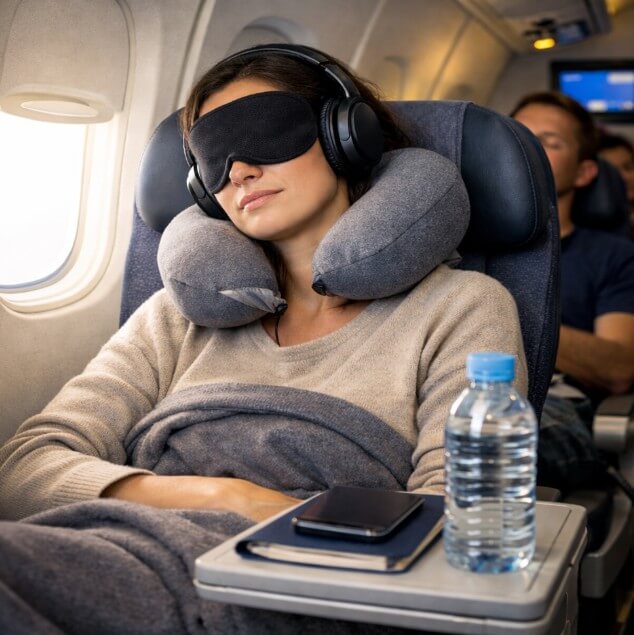
A basic sleep kit can make a significant difference on overnight flights. Eye masks block disruptive cabin lighting, neck pillows support proper spinal alignment, and noise-canceling headphones reduce engine and ambient cabin noise. Together, these items help travelers create a more sleep-friendly personal space within the constraints of the aircraft cabin.
Bottom Line
Sleeping well on a long-haul flight requires planning rather than luck. By selecting the right seat, maintaining healthy posture, managing food and beverage choices, and packing essential comfort items, travelers can significantly improve their chances of getting meaningful rest. These small but practical adjustments help passengers arrive more alert and less fatigued, regardless of flight duration or cabin class.
