


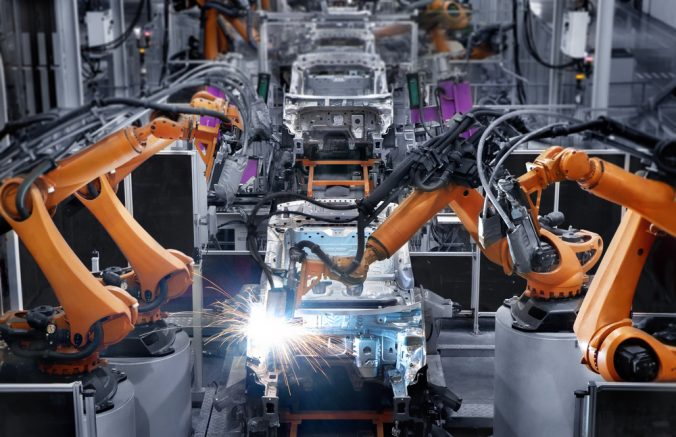
Keeping industrial processes and machines in optimum condition requires a specifically tailored strategic combination of scheduling and planning, as well as effective resource allocation. However, industrial plants still fail at some point. As you can imagine, all of this makes it difficult to keep a check on them, and it makes their maintenance costly as well, sometimes dangerous, and time-consuming. This is why it has become important for companies to introduce robotics for maintenance and robotics in this industry. Here are some of the benefits of robotics technology if you are thinking about whether you should implement it or not.
Improved security
Robots can work in environments that are hazardous to the human body. Implementing robotics maintenance to take care of the process in areas that can cause harm to a person is among the best-applied use of robotics maintenance technology. For this, Robotnik, with a proven track record, is your best bet as it is a leading company in this sector that has already successfully implemented this technology.
Optimal Accuracy
Robots guarantee constant quality and precision that cannot be achieved by human labor continuously over long periods. It can provide these results with fewer errors. It also reduces the workload on the employees, which lets them focus on other duties and responsibilities.
Longer time
For regular maintenance tasks, the robot can schedule maintenance tasks and automate processes without any breaks. This will eliminate the need for someone to start the inspection and maintenance process again and again.
Flexibility
Robotic processes can be retrofitted, repurposed, and reprogrammed for a variety of purposes. Every part of it can be repurposed for some other use. It reduces industrial waste and increases profitability as well.
Tracking the maintenance of industrial robots is essential to keep the machine working as expected for a comparatively longer period. If you have reached the stage of introducing robotics into your business or are about to do so, knowing what maintenance strategy to employ in the maintenance process can help you get the most return on your investment.
Here are some options to consider
Saves Time
Industrial robots can be maintained more efficiently without making trade-offs that can affect performance. With the introduction of robotics for maintenance and inspection, you must assess your current process, which will help to investigate the aspects that usually take the most time and are the most complicated areas. Then you can use the robotic technology to schedule and automate the inspection process, which will eventually start giving you positive results, and you will notice how the time it takes to maintain your machinery is significantly lesser than what it took earlier.
A technological solution called the Robot Fleet Monitor combines digital twin technology with the fleet of machinery you have. You need to provide a database of maintenance records and registered issues and faults in the machinery. This product allows humans to monitor an entire fleet of robots through one single interface. The data is then sent to their cloud via edge devices. This tool also provides real-time information and triggers an emergency stop when the machine is out of tolerance. Robots can also unknowingly report potential errors to the system.
Predictive Maintenance and Remote Access
Predictive maintenance strategies collectively aim to compile data that can give indications of potential concerns in robots long before humans are aware of them. They naturally use sensors that calculate temperature, vibration, sound, etc. These components alert employees to abnormalities, allowing them more time to operate before an unanticipated disruption occurs. Statistics show that people can save 30% to 40% more by using predictive supervision.
Predictive maintenance is even more effective if you provide remote access to the machine. In such designs, technicians can catch all relevant elements of the robot’s performance even when they are offsite. This way, they have a fair idea of what the problem is and how to solve it. Solutions like this were practical during COVID-19 and are still relevant.
Recruiting Professionals to Tackle On-site Skill Shortage
The robotics industry has been seeing astonishing growth in recent years, which led to many other added benefits to this trend. Yet, it also has some drawbacks. First of all, numerous companies find it difficult to recruit qualified candidates that possess enough skills for industrial robot maintenance roles. Moreover, there is not only a shortage of applicants for these positions. They can not have sufficient skill levels to maintain their increasingly sophisticated devices. These challenges make hiring local staff acutely difficult. A more viable answer might be to work with an outside repair company whose staff knows how to service multiple brands of mechanical robots.
This makes it more manageable to follow the instructed maintenance schedule for your robot brand and type. Different manufacturers have different maintenance suggestions. For example, a major brand says that supervision should do every 5,000 to 25,000 hours, but the gap depends on the specific maintenance task.
Conclusion
How you control robot supervision in detail depends on many aspects. You can have things like the size of your team and how many devices you have. Still, it’s important to design a plan that produces the expected outcome.
