



Residents of South and Southeast Asia have been facing extreme temperatures for days. For example, Myanmar set a record high in April of over 48 degrees and the expected temperature in Thailand rose to 52 degrees. These temperatures can be “life-threatening,” explains Leander de Wit of Buyenradar. “This is due to the high humidity in the area.”
School closures in the Philippines, health warnings in many Asian countries, and record energy consumption in Thailand: an intense heat wave sweeps part of Asia. Thus, one record after another is achieved in the region. For example, it has never been 44 degrees in April in Vietnam and 43.4 degrees in China in the same month.
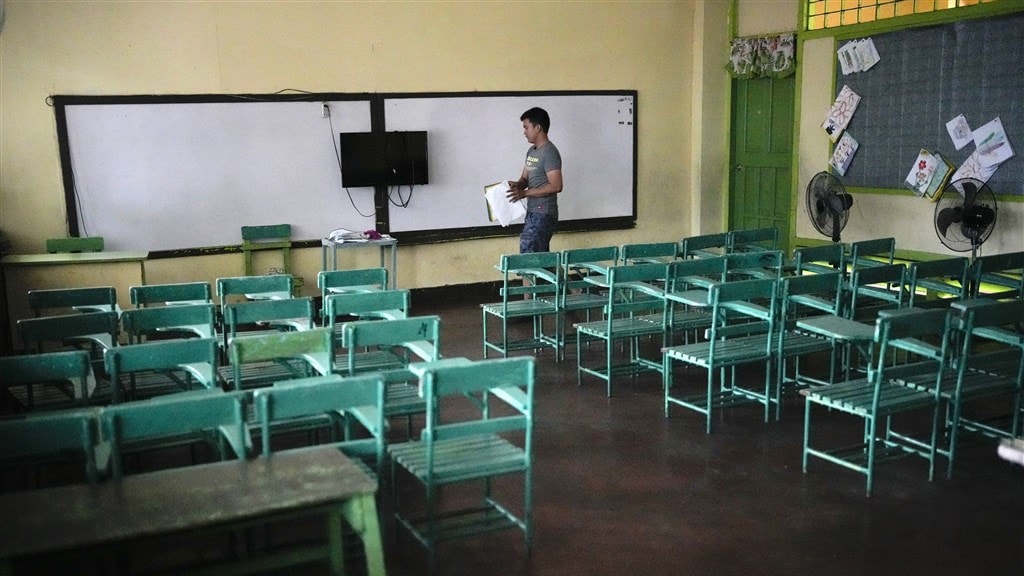
Thailand, Bangladesh, Cambodia and Laos are also experiencing high temperatures. In the Philippines, the weather was warmer than ever in the capital, Manila, reaching 38.8 degrees. As a result, Philippine schools, which often do not have air conditioning, are closed for two days.
In Thailand, where temperatures rose to more than 44 degrees last week, authorities warned of “extremely dangerous” conditions. This year, thirty people have already died in the country due to the heat, while last year 37 people died throughout the year.
Work less
Therefore, Bangkok requires people who work abroad to work shorter hours. The city council also shared a video explaining how to provide first aid to people who faint due to the heat.
According to Leander de Wit, these precautions are not unjustified. High temperatures in these countries can be very dangerous because the region also experiences high humidity. “Your body cools down through the sweat that evaporates from your skin.” But this evaporation does not occur when the surrounding air is too humid. “It is impossible to cool and the tangible temperature reaches the ceiling. This is life-threatening.”
There is no cooling at night
Not only humidity, but also high minimum temperatures pose a risk. These minimum temperatures are “strangely high,” De Wit says. “In Bangladesh and Thailand, sometimes the temperature does not reach more than 30 degrees at night. So your body does not have the opportunity to cool down naturally at any time.”
So people look for coolness in parks. For 39-year-old cashier San Yin from Myanmar, this is the only way to escape the night heat in her apartment, she tells Channel News Asia. “Only there can I, my husband and my 4-year-old son escape the heat.” During the day they are indoors. “We don't dare to go out because we are afraid of heatstroke.”
It's too hot for the polls
High temperatures also affect daily life in India, which is dominated by elections these weeks. The heatwave also appears to have affected the first round of elections, which began on April 19. Turnout was four percentage points lower than during the previous election in 2019.
De Wit says Southeast Asia has recently been experiencing rising temperatures, partly due to climate change. Last year, the region also suffered a historic heat wave that lasted for weeks.
Heat is not the only problem in the area. According to a recent report by the United Nations, Asia is the region most affected globally by climate change and extreme weather. In addition to heat waves, this also includes floods, storms and melting glaciers. “Those glaciers are very important for water supplies,” explains de Wit. “If the glaciers melt, that's a big problem too, especially when it's very hot.”
