


·Modified:
Right to left
This weekend, three climbers were killed in two accidents on the Matterhorn in Switzerland. A total of five people have already died on the mountain this month. However, despite the risks, continuing to climb the mountain is very popular among mountaineers.
A climber died on Friday while descending the mountain, and two climbers fell more than 1,000 meters on Wednesday. In late July, two separate accidents on the mountain resulted in two deaths.
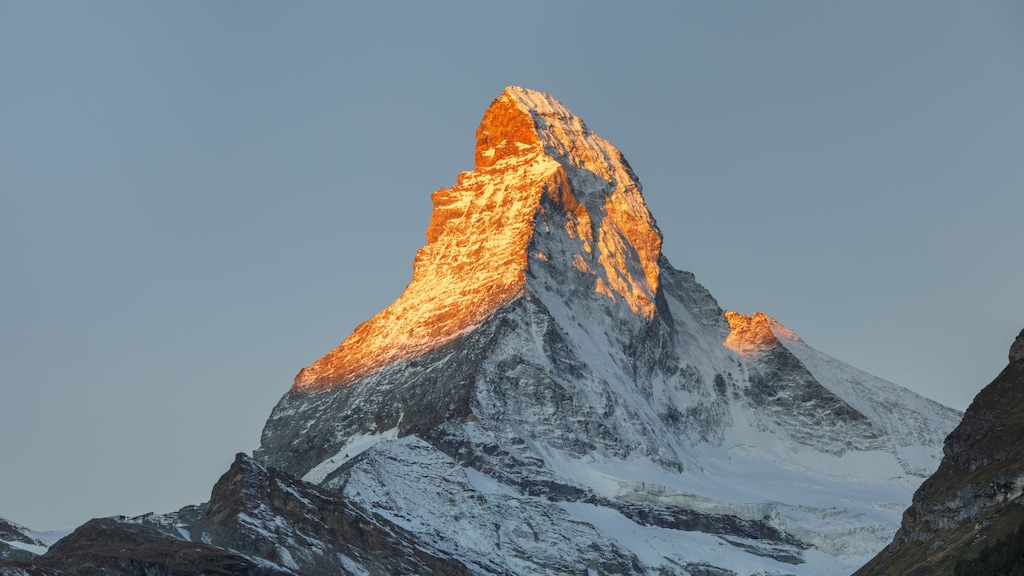
However, the danger of the climb does not diminish its popularity. Dutch mountain guide Boris Textor has climbed the Matterhorn “six or seven times, I lost count.” According to Textor, the mountain’s appeal to many people is mainly its shape and presence. “It’s a beautiful conical mountain, and it has this perfect point,” Textor says. “There are very few mountains that have such a unique shape. If you stand in the valley and look up, it’s also very prominent there, and it’s very dominant.”
4000 climbers per year
According to the municipality of Zermatt, the village at the foot of the mountain, approximately 4,000 people make the trek to the summit each year, and about 1,400 of them actually reach the highest point.
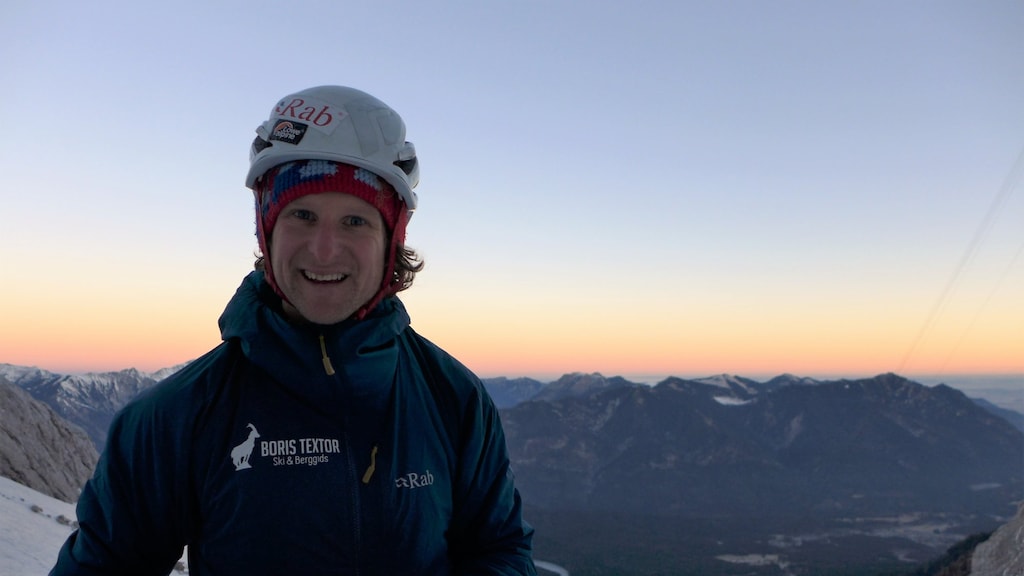
Frank de Haan, a mountain guide who was on the Matterhorn's summit two weeks ago, points to this dominant presence as a draw. “It's a very impressive mountain, rising like a tower,” says de Haan.
“When you see it from a distance, it's hard to imagine that you could climb it. It's amazing to do this climb.”
De Haan says he didn't have to deal with particularly difficult conditions during his climb. “It was my first time, so I can't compare it to other times, but I heard from other guides that the conditions were relatively good,” he says.
climate change
According to De Haan, conditions on many climbs have become increasingly difficult due to climate change. “There are now many places on the mountains that have debris fields that used to be covered in snow and ice. This is melting due to climate change, which is causing more and more of this debris to come up. This breaks down the rocks and can make some routes less difficult and suitable for hiking, but that was not the case on the Matterhorn.”
The cause of the numerous accidents on the mountain last month is still under investigation, but the Matterhorn is known to be a difficult climb.
“It's easy to get lost”
“It’s one of the toughest mountains in the Alps in the 1940s,” says Textor, referring to mountains over 4,000 metres, of which there are 82 in the Alps. “Wherever you climb, the ground is fairly stable. But if you go off the recommended route, you end up on loose rocks and things can get messy quickly,” he says. “Finding the route is difficult. It’s not a clear mountain, and it’s very easy to get lost.”
For centuries, the Matterhorn, which towers over Zermatt as a monument to human insignificance, has inspired writers and artists, and the mountain has attracted adventurers who see the steep peak as a challenge to be overcome.
Therefore, it is not new that deaths occur on the slopes of the Matterhorn. Already during the first ascent of the mountain, in 1865, things went very wrong. A group led by the British adventurer Edward Whymper reached the summit, but during the descent four of the seven members of the expedition fell and died.
Since then, it is estimated that more than 500 people have died trying to reach the summit of the mountain.
attractive mountain
The sheer fame and legendary appearance of the Matterhorn ensure that the climb to this day attracts many people who want to cross the mountain off their bucket list, without gaining the experience they so desperately need to successfully complete the tour. “It attracts a lot of people who I have the impression are less technically adept at climbing and want to climb the mountain more for the gravity,” says De Haan. “That sometimes leads people to choose a route that is too difficult.”
Textor also believes that “people underestimate the mountain.” “Technically, the difficulty level is actually very low. It’s more of a scramble than a climb. But because of the complexity of the route, it’s still very difficult, and I still climb in the wrong direction every time.”
De Haan also sees the mountain as too high for some people to attempt. “But there are also a lot of people who come up with the idea of climbing it, and they’re too slow and then they turn around,” he says. “They don’t take unnecessary risks. If you know your limits, it doesn’t have to be dangerous.”
“Danger is part of it”
However, De Haan recognizes that climbing is not without risk, even for people with a lot of experience. “Look, there is a certain risk involved. It’s not going to be completely risk-free, whether for people climbing independently or people with a guide or the guides themselves.”
These risks don’t stop De Haan and Textor from continuing to climb mountains. “I really enjoy doing it,” De Haan says. “I think it’s nice to get to the top. But the climbing itself, the sporting challenge, is what I care about most.”
“For me, it’s basically about being one with nature,” Textor says. “It’s a balanced game of physical activity, mental activity and fun. And the reward is an incredibly beautiful view when you reach the top.”
