

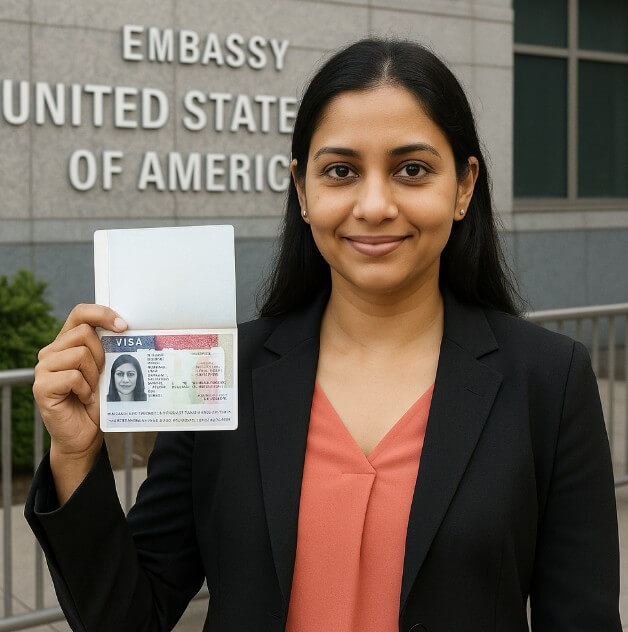
A 32-year-old woman from Delhi has drawn widespread attention among India’s outbound travelers after describing how her U.S. B2 tourist visa was approved “in seconds,” offering a window into a system that is often seen as unpredictable and time-consuming. Her step-by-step account, shared on a public forum, has since become a reference point for first-time applicants navigating an application process that can stretch over many months amid fluctuating appointment availability.
While her story reflects a single experience, the applicant’s methodical approach underscores a pattern many successful travelers follow: early preparation, constant monitoring of appointment slots, and strict adherence to documentation rules. The guidance resonates particularly in Delhi, one of India’s busiest outbound hubs, where travelers on carriers such as Air India (AI) and United Airlines (UA) often plan trips around timely visa clearances.
Early Filing and Appointment Challenges
According to the applicant, promptly completing the DS-160 form—the foundation of any U.S. non-immigrant visa application—is critical. She noted that filing the form ahead of a scheduled fee revision helped her avoid delays that affect applicants who wait until peak booking periods.
Securing biometrics and interview appointments, however, proved more complicated. “Finding a biometrics and interview slot proved to be the biggest challenge,” she explained, adding that availability shifted unpredictably over several months. She checked the scheduling portal at irregular hours, including late nights and midday windows, before eventually securing a December interview date.
Her advice stems from this persistence: applicants should monitor the portal frequently, as openings often appear without warning and disappear just as quickly. Her strategy allowed her to land a much earlier slot than she initially expected.
Biometrics: Strict Rules, Smooth Processing
The biometrics appointment at the VFS centre in Delhi went smoothly, but the applicant emphasized the importance of following the facility’s rules. Visitors are prohibited from carrying phones, smartwatches, or other electronics inside, which forces those without personal vehicles to use paid storage lockers.
She recommends arriving “15 to 20 minutes before the scheduled time,” noting that the actual enrollment—photograph and fingerprints—moves rapidly once inside. One detail she highlighted as essential is the confirmation letter issued after biometrics. Officials at the U.S. Embassy routinely check this document before allowing entry for the visa interview, and missing paperwork can lead to rescheduling.
Her experience illustrates how administrative missteps, even minor ones, can prolong an otherwise straightforward process.
Embassy Interview: A Short Wait, a Shorter Decision
The applicant cautioned against arriving excessively early for the consular interview. She reached the U.S. Embassy an hour and a half before her appointment but was asked to wait outside, adding unnecessary stress to the day.
Once inside, the interview unfolded quickly. The consular officer asked standard questions regarding her reason for travel, details of her employment, information about the friend she planned to visit, and her previous international travel history. With her answers aligned with her DS-160 responses, her visa was approved almost immediately. The decision, she said, came “within seconds.”
She encouraged other applicants to remain transparent and consistent in their responses. Officers, she noted, evaluate an applicant’s intention to return to their home country, making it important to be prepared to discuss employment, family ties, and financial commitments. Having a tentative travel itinerary, she added, can further demonstrate a short, well-defined visit.
A Model of Preparation
Her account reinforces a broader truth within the U.S. visa system: while outcomes vary, preparation significantly increases the likelihood of success. By completing the DS-160 accurately, organizing necessary documents, understanding embassy protocols, and answering questions confidently, applicants can streamline what is often seen as a complex, high-stakes process.
For thousands of Indians seeking tourist visas each year—whether for tourism, family visits, or short-term stays—the applicant’s experience offers a pragmatic roadmap. Though individual results differ, her story shows that with thorough preparation and attentive scheduling, the path to approval can be far quicker and smoother than many expect.
