

Close Menu
Aviation Analysis – Industry Travel NewsAviation Analysis – Industry Travel News
    Facebook X (Twitter) Instagram
    Facebook X (Twitter) Instagram
    Aviation Analysis – Industry Travel NewsAviation Analysis – Industry Travel News
    Subscribe
    • Home
    • Top News
    • World
    • Economy
    • Science
    • Tech
    • Sport
    • Entertainment
    • Contact Form
    Aviation Analysis – Industry Travel NewsAviation Analysis – Industry Travel News
    Home»Science»Herbs, cocktails and chicken. Science as a journey of discovery.
    Science

    Herbs, cocktails and chicken. Science as a journey of discovery.

    Moses YarboroughBy Moses YarboroughOctober 5, 2023No Comments2 Mins Read
    Share Facebook Twitter Pinterest LinkedIn Tumblr Email
    Herbs, cocktails and chicken.  Science as a journey of discovery.
    Share
    Facebook Twitter LinkedIn Pinterest Email Copy Link

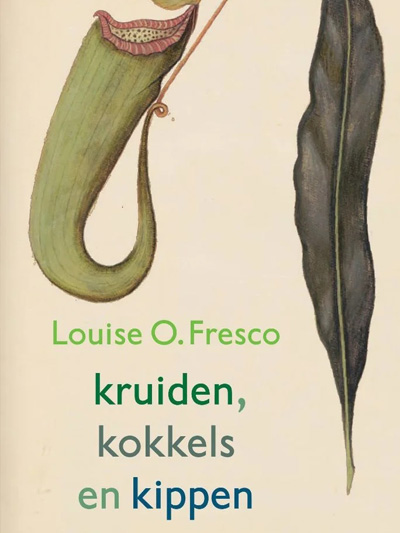
    Herbs, Snails and Chickens, Louise Fresco, Prometheus, 65 pages, €4.99.

    To ask

    October is History Month, and to mark the occasion, Louise Fresco, writer, food expert and former chair of the board of directors of Wageningen University, has written a booklet entitled: “Herbs, shells and chickens. Science as a voyage of discovery.” It shows that progress in science never depends on brilliant inspirations from isolated people working in isolation and that the path forward is rarely straight.

    Examples include two scientists who worked in the Dutch East Indies: the 17th-century botanist Rumphius, and the brilliant physician Christian Ekman, who investigated the cause of beriberi at the end of the 19th century. After ingenious experiments with chickens, he initially concluded that they must be contaminated, but later realized that nutrition was crucial. He slowly developed the idea that milled white rice was missing a substance, but for decades he stubbornly clung to the hypothesis of a toxin (the starch in the grain that caused “something” in the intestines) and an antidote (in the coating). Much research in Europe and the United States was needed to convince Ekman of a different explanation. Eventually, vitamin deficiencies turned out to be crucial: in 1926, thiamin/vitamin B1 was discovered. Ekman held on to the idea of ​​a pathogen to explain beriberi for nearly thirty years. It’s not so strange, Fresco says, after all he was a bacteriologist: he looked right up his alley, you could say. In 1929, Ekman shared the Nobel Prize with biochemist Sir Frederick Hopkins. Message from Frisco: Science and technology inevitably follow winding paths. But what is good and works will eventually show.

    Share. Facebook Twitter Pinterest LinkedIn Tumblr Email
    Moses Yarborough

    Devoted music ninja. Zombie practitioner. Pop culture aficionado. Webaholic. Communicator. Internet nerd. Certified alcohol maven. Tv buff.

    Related Posts

    Neodymium Magnet Uses and Safety Tips for 2025

    October 4, 2025

    Researchers want to whiten clouds to combat global warming

    August 28, 2024

    “Blockchain DNA” is possible after scientific progress

    August 26, 2024
    Navigate
    • Home
    • Top News
    • World
    • Economy
    • Science
    • Tech
    • Sport
    • Entertainment
    • Contact Form
    Pages
    • About Us
    • DMCA
    • Contact Form
    • Privacy Policy
    • Editorial Policy
    STAY UPTODATE

    Get the Latest News With Aviationanalysis.net

    OFFICE

    X. Herald Inc.
    114 5th Ave New York,
    NY 10011, United States

    QUERIES?

    Do you have any queries? Feel free to contact us via our Contact Form

    Visit Our Office

    X. Herald Inc.
    114 5th Ave New York,
    NY 10011, United States

    • About Us
    • DMCA
    • Contact Form
    • Privacy Policy
    • Editorial Policy
    © 2025 ThemeSphere. Designed by ThemeSphere.

    Type above and press Enter to search. Press Esc to cancel.