


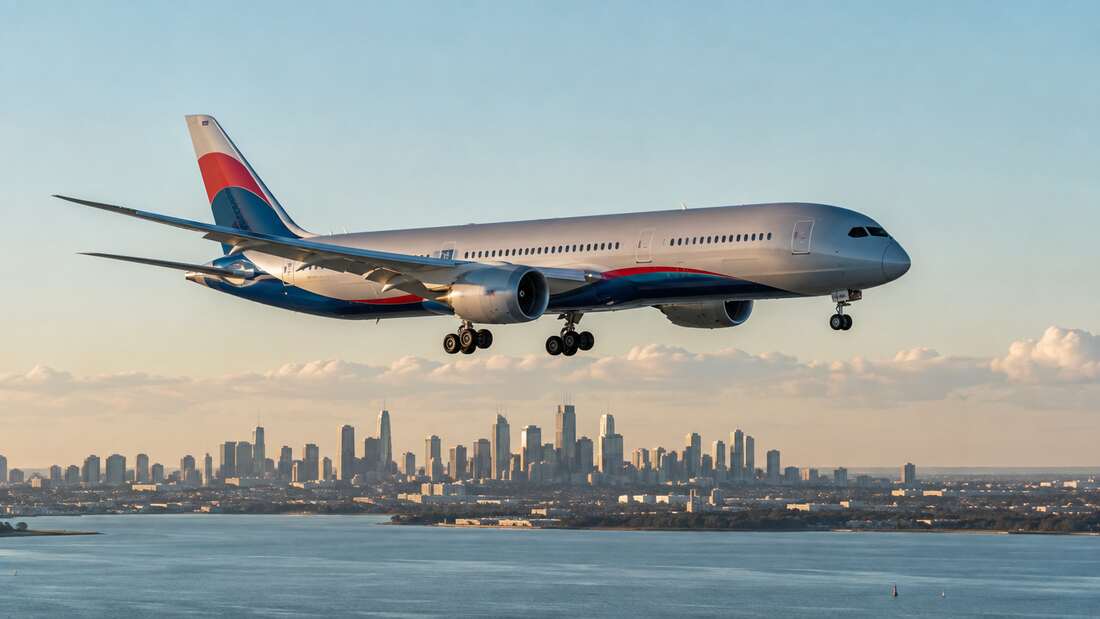
Korean Air will expand its Australian network with a new seasonal nonstop service between Seoul and Melbourne, giving business and leisure travelers another direct connection between South Korea and one of Australia’s largest commercial centers.
The airline will operate three flights per week between Seoul Incheon International Airport and Melbourne Airport from December 18, 2026, through March 14, 2027. Boeing 787-9 Dreamliner aircraft will serve the route during Australia’s peak summer travel season.
Korean Air Expands Its Australian Network
Melbourne will become Korean Air’s third destination in Australia, joining the carrier’s year-round services to Sydney and Brisbane. The addition strengthens the airline’s position in the market while responding to rising demand for travel between South Korea and Australia.
Passenger traffic between the countries is supported by several sectors, including tourism, business, education and cultural exchange. Australia remains a popular destination for South Korean vacationers and international students, while South Korea continues to attract Australian corporate travelers and visitors interested in the country’s food, entertainment and cultural industries.
Launching the route in December allows Korean Air to capitalize on the Southern Hemisphere’s busy summer season. The operating period includes the Christmas and New Year holidays as well as major events traditionally held in Melbourne during the opening months of the year.
Boeing 787-9 Selected for Seasonal Service
Korean Air will deploy its Boeing 787-9 Dreamliner on the route. The widebody aircraft is designed to provide improved fuel efficiency, reduced noise and enhanced cabin comfort on long-distance flights.
The three-times-weekly schedule will provide passengers with nonstop access to Melbourne while offering onward connections through Korean Air’s hub at Incheon International Airport. Travelers arriving in Seoul will be able to connect to destinations across Asia, Europe and North America through the airline’s broader international network.
Tickets and updated operating schedules will be available through Korean Air’s website and official mobile application.
Melbourne Offers Business and Tourism Opportunities
With more than 5.3 million residents, Melbourne is Australia’s second-largest city and a major financial, educational and commercial center. Its economy supports industries ranging from professional services and technology to manufacturing, retail and international education.
The city is also known for its major sporting events, universities, restaurants, cultural institutions and arts scene. These attractions help generate a diverse mix of corporate and leisure demand, giving Korean Air access to a broad potential passenger base.
A direct Seoul–Melbourne connection could also support stronger commercial relationships between businesses in South Korea and the Australian state of Victoria. Removing the need for a domestic transfer through another Australian airport may reduce travel time and make the journey more convenient for passengers.
Attractions Strengthen Melbourne’s International Appeal
Melbourne serves as a gateway to several of Victoria’s leading tourism destinations. Within the city, popular attractions include Queen Victoria Market, Federation Square, the Royal Botanic Gardens, the National Gallery of Victoria and the State Library of Victoria.
St Kilda Beach provides coastal scenery close to the city center, while Melbourne’s extensive café and restaurant sector has earned global recognition. The nearby Yarra Valley and Mornington Peninsula attract visitors interested in vineyards, food experiences and regional tourism.
Travelers also frequently use Melbourne as a starting point for journeys along the Great Ocean Road. The coastal route leads toward the Twelve Apostles limestone formations, approximately 275 kilometers from the city. Phillip Island is another major regional attraction, particularly for its Penguin Parade and wildlife experiences.
Public Transportation Supports Visitor Access
Melbourne’s transportation network allows international visitors to reach many central attractions without renting a vehicle. The Free Tram Zone covers much of the central business district, while the City Circle Tram connects several prominent tourist areas.
Passengers traveling outside the free zone can use a myki card or compatible mobile payment option. Buses, trains, rideshare services, airport transfers and car rentals offer additional choices for trips around the metropolitan area and regional Victoria.
Accommodation options range from hostels and budget hotels to luxury properties. Hostel dormitories generally cost between 38 and 70 Australian dollars per night, while budget hotel rates commonly range from 115 to 200 Australian dollars, depending on location, demand and travel dates.
Seasonal Route Will Operate Through March 2027
Korean Air’s Melbourne flights will continue until March 14, 2027, covering nearly three months of heightened travel activity. The airline has not indicated whether the route could later return for another season or become a year-round operation.
For now, the new service adds an important nonstop link between Seoul and Melbourne. It also reinforces Korean Air’s strategy of expanding international connectivity in response to sustained passenger demand between Asia and Oceania.
